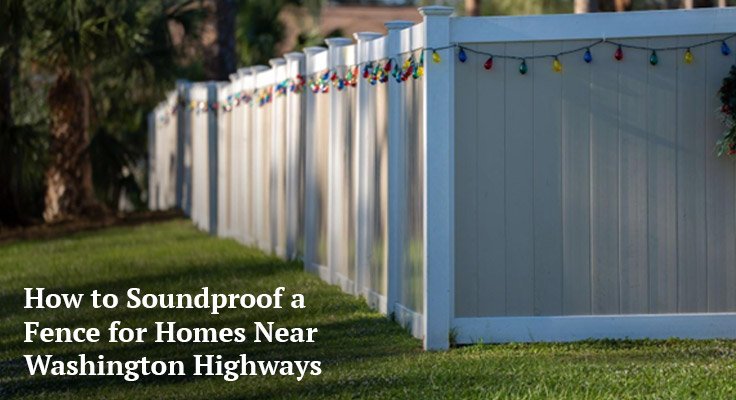
Living near a busy highway in Washington can be convenient—but it often comes with one major drawback: noise. The constant hum of engines, honking horns, and tire sounds can make it hard to relax in your own backyard.
One effective way to reduce this noise is by soundproofing your fence. While fences are usually installed for privacy or security, with the right techniques and materials, they can also block or absorb sound.
This guide will walk you through practical ways to soundproof your fence and reclaim the peace and quiet around your home.
Why Highway Noise Is So Hard to Block
Highway noise travels as sound waves through the air. These waves can:
- Reflect off hard surfaces
- Pass through gaps and cracks
- Bounce over low barriers
That’s why a standard wooden or vinyl fence often does little to stop it. To block sound effectively, you need a barrier that is:
- Tall enough to block the line of sight to the road
- Dense enough to stop vibrations
- Sealed tightly so sound can’t leak through gaps
Step 1: Choose the Right Fence Height and Placement
Height is your first defense. Sound travels in straight lines, so a taller fence can block more of it. In Washington, most residential fences are allowed up to 6 feet tall, and in some cases up to 8 feet with a permit.
Tips:
- Place the fence as close to the noise source as legally possible (usually at the property line facing the highway).
- Consider local building codes and contact your local planning department to learn about fence height limits.
- The closer and taller the fence is, the better it will perform against noise.
Step 2: Pick Dense, Sound-Blocking Materials
A thin, lightweight fence won’t stop much sound. Instead, use heavy, solid materials that block vibrations.
Best sound-blocking fence materials:
- Solid wood panels: Thick cedar or redwood boards with tongue-and-groove joints create a dense wall.
- Vinyl privacy fences: Heavier-grade vinyl panels are durable, low-maintenance, and effective at blocking sound.
- Composite fencing: Made from a mix of wood fibers and plastic, composites are very dense and ideal for sound reduction.
- Masonry walls (if allowed): Brick or concrete block fences provide excellent soundproofing but may be expensive and require permits.
If you already have a fence, adding mass-loaded vinyl (MLV) sound barriers to the inside surface can boost its sound-blocking ability.
Step 3: Seal All Gaps and Cracks
Even small gaps can let a surprising amount of noise through. Check for:
- Spaces between fence boards
- Gaps at the bottom where the fence meets the ground
- Cracks or holes from weather damage
Seal these using:
- Caulk or weatherproof sealant for cracks
- Backer boards or overlapping boards to cover spaces
- Gravel or soil fill at the base to block gaps under the fence
A solid, continuous surface is key for noise control.
Step 4: Add Sound-Absorbing Layers
Blocking noise is one part of the solution—absorbing it helps even more. Soft, porous materials can soak up sound waves so they don’t bounce around your yard.
Try these ideas:
- Outdoor acoustic panels mounted on the fence
- Acoustic blankets or weatherproof soundproof mats
- Dense landscaping, like thick shrubs or climbing vines, planted along the fence to absorb and scatter sound
This combination of hard (blocking) and soft (absorbing) layers works especially well for homes near busy highways.
Step 5: Incorporate Landscaping as a Sound Buffer
Landscaping won’t block noise as effectively as a fence, but it can reduce echoes and improve the overall quietness of your yard.
Use:
- Evergreen hedges or tall shrubs as a natural buffer
- Trees with dense foliage to break up sound waves
- Earth berms or raised garden beds near the fence to add extra mass
This adds an attractive, eco-friendly touch while also helping with noise control.
Step 6: Consider a Double Fence for Maximum Noise Reduction
For homes very close to loud highways, a single fence might not be enough. Installing a double fence can create a sound-trapping air gap between the two barriers.
- Space the fences 2–4 feet apart
- Use dense materials on both fences
- Fill the space between with shrubs or acoustic panels
This design acts like a sound maze, dramatically reducing highway noise.
Step 7: Hire a Professional Fence Installer (Optional)
Soundproofing a fence takes planning, permits, and precision. If you’re unsure about doing it yourself, you can work with an experienced local contractor.
If you decide to go this route, look for licensed and insured pros who specialize in fence installation in Washington. A skilled contractor can:
- Recommend the best materials for your site
- Build to local code and height limits
- Ensure the fence is tightly sealed and durable
Adding an experienced professional to the project can save time and help you get better noise-blocking results.
Maintenance Tips to Keep Your Fence Soundproof
A soundproof fence needs regular care to stay effective. Here’s how to maintain it:
- Inspect for cracks, loose boards, or gaps each season
- Reseal joints and gaps as needed
- Clean the surface and trim back vegetation
- Replace any damaged panels quickly
A well-maintained fence will keep its sound-blocking power for many years.
Final Thoughts
Living near a busy highway doesn’t mean you have to give up your peace and quiet. By using taller fences, dense materials, sealed joints, and absorbing layers, you can dramatically reduce traffic noise in your backyard.Whether you tackle the project yourself or work with a professional fence installation company in Washington, soundproofing your fence is a smart investment. It creates a quieter outdoor space, increases your comfort, and adds privacy to your home.
Also Read: Trending Fence Designs Seen in New Washington Neighborhoods