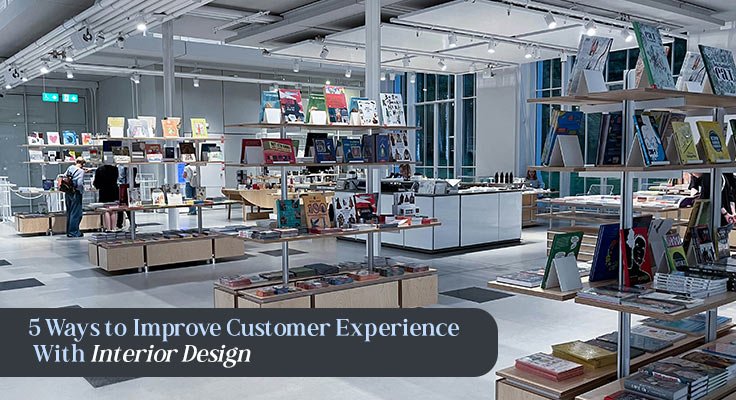
Ever walked into a commercial space and immediately felt like leaving? Maybe the lights were blinding, or the first room you stepped into looked drab. The truth is that no matter how often we talk about customer service, the physical space matters.
And if you think it doesn’t because most people shop online, think again. Fox Business reports that Gen Z shoppers are increasingly favoring in-person shopping over online experiences. They want to come in, try on things by themselves, and generally enjoy the in-person experience.
But because first impressions matter, your commercial interior design must meet and even exceed their expectations. With that in mind, here are five ways you can improve your customer experience so they keep coming back using interior design.
Perfect the Entryway
People form a first impression of your space within just seven seconds of walking in. That’s not even enough time to take a full breath, much less evaluate your product or service. Yet so many businesses treat their entryway as an afterthought. Don’t. The wrong look can send the wrong message.
What you want instead is an area near the entrance that helps visitors mentally shift into your intentional environment. Let’s call this your decompression zone. One increasingly popular design choice for decompression zones is wood wall paneling.
According to Elmwood Reclaimed Timber, reclaimed wood wall paneling is right at home in almost any environment, whether it’s a hotel, boutique, or traditional office.
For best results, pair it with warm ambient lighting and a minimal, clutter-free reception area. Do this, and you can significantly improve the customer experience from when they first walk in.
Prioritize Ergonomic Comfort
If you’ve ever sat in a fancy chair that’s all angles and edges, you know the feeling.
Office furniture shouldn’t just look great; it should also pass the human test. If it doesn’t, it puts your customers in great discomfort. And any customer who feels uncomfortable in your space will leave.
This means that your office seats should encourage people to settle in and relax. If that means investing in ergonomic furniture, do. It’s money well spent. In fact, one study found that businesses using ergonomic workspaces experienced a 32% increase in satisfaction.
While this data relates to employees, it also applies to customers. People naturally respond better to spaces that make them feel physically comfortable.
Utilize Sensory Design Elements
Most business owners think design should only be visual. That’s incorrect. People experience places through all five senses, and the smart businesses are starting to design for all of them. This is sometimes called multisensory retail design or sensory branding, and the research on it is pretty eye-opening.
About 73% of global consumers believe that brands should engage all the senses of their customers. This means smell, sound, light, touch, and sight. And guess what? 60% are willing to pay for it.
Pleasant scents, for example, can cause customers to spend more time in a store. Even 5 extra minutes per customer means more sales.
Then there’s light. Natural light makes colors appear more accurate, a very important factor in retail, food service, and anywhere aesthetics are part of the product.
And don’t forget sound. If you have the money for it, use soft rugs, acoustic ceiling tiles, or heavy drapery to keep the vibe as peaceful as possible.
Improve Flow and Wayfinding
Here’s a simple test you can run right now, or tomorrow: watch a customer navigate your space for the first time. Do they hesitate, turn around, or look confused?
If they do any of that, you have bad flow, and it’s silently frustrating people. Your floor plan should guide people intuitively.
To improve customer experience, use clever visual cues instead of the regular, ugly, aggressive directional signs. Furniture placement can also help create natural pathways. Even a well-placed plant or sign can guide traffic without feeling forced.
Make your signage clear and readable. Good design should enlighten, not confuse people.
Design for Inclusivity and Accessibility
Many business owners treat inclusivity and accessibility as a compliance checkbox. But it’s more than that. It’s a genuine opportunity.
And this business opportunity has real value, too. According to the United Nations, roughly 1.3 billion people worldwide live with one form of disability or another. These people represent a substantial segment of every market. Supporting them can positively impact your bottom line.
But inclusive commercial interior design isn’t just more ramps. It means comfortable seating options. It means clear and readable signage. It means non-slip flooring, smooth transitions, and proper lighting. It also means good acoustics for people with sensory sensitivities.
The goal is simple: your place should be where everyone belongs.
FAQs
How does interior design affect customer behavior?
Interior design does something to the human psyche. Warm lighting and comfortable seating in commercial spaces slow people down. It encourages them to stay longer and possibly spend more. Bright lights and loud acoustics, on the other hand, turn them away.
What is the most important element in commercial interior design?
Layout, flow, and wayfinding come out on top. A customer should be able to easily move about in your space. If they can’t or feel claustrophobic, the most beautiful furniture in the world won’t save their experience.
How can small businesses improve their space on a budget?
The beautiful thing about commercial interior decor is that you don’t need a massive budget to give your customers a good experience. You can do it with a minimal budget. Focus on lighting upgrades, clear out clutter, and add a couple of fresh plants. You can also use a feature accent wall to give the space a premium feel without the premium price tag.
Interior Design by Numbers
| Design Strategy | Key Stat / Insight |
| Perfect Entryway | Customers form a first impression within 7 seconds of walking in |
| Ergonomic Comfort | Ergonomic workspaces are linked to a 32% increase in satisfaction |
| Sensory Design Elements | 73% of consumers believe brands should engage the five senses. 60% are willing to pay for it |
| Flow and Wayfinding | Poor layout silently frustrates customers |
| Inclusivity & Accessibility | 1.3 billion people worldwide live with a disability, and this number represents a major market segment |
Ready to Redesign the Experience?
Whether you run a small retail store, a gym, or do consulting, your space is always communicating something. The question is, are you in control of the message?
The good news is that you can be, and this doesn’t necessarily mean a complete overhaul or a massive budget. You just have to be deliberate about the commercial interior design elements you pay attention to. Hopefully, this guide has shown you the important ones.
Start with one area. Make it excellent. Then move to the next. Not only will your customers notice, but they’ll also come back.