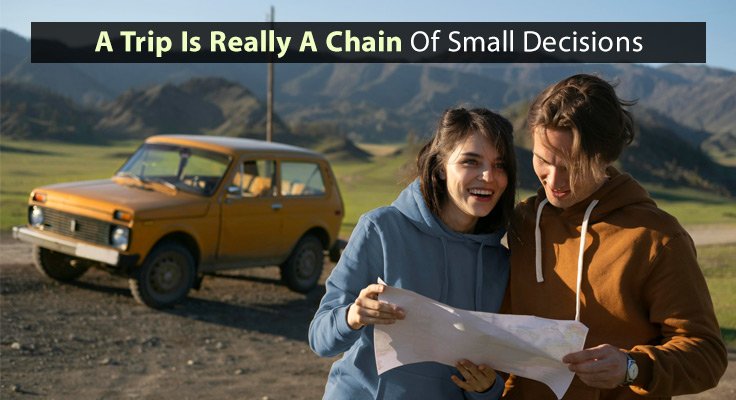
Most people think a great trip is built around the big choices. The country. The season. The hotel. The famous attraction you have been dreaming about for years. Those decisions matter, of course, but they are only the frame. The actual experience, the part you remember in your body and not just in your camera roll, is usually made from smaller choices that seem almost too minor to count.
A trip starts taking shape long before you leave home. It begins with the hour you choose for your flight, the number of nights you allow yourself to adjust, the shoes you decide are good enough, and whether you build in room for ease or pack every day like a contest. People often shop for destinations as if a place alone creates the magic, but planning is really about setting up hundreds of moments. That is one reason travelers often look into Machu Picchu vacation packages. They are not just buying a destination. They are simplifying dozens of linked decisions that affect how calm, flexible, and present they can be once the trip is underway.
What makes travel so revealing is that you cannot outsource every choice. Even with a well planned itinerary, every day asks for new answers. Do you sleep another hour or catch the empty streets at sunrise? Do you stop for coffee and watch a neighborhood wake up, or rush to the first attraction because you do not want to waste time? Do you keep walking when you are tired because the map says something good is nearby, or do you admit that the next best decision is simply to sit down?
The Trip You Think You Planned Is Not the Trip You Actually Take
On paper, travel looks neat. You arrive, check in, see the sights, eat memorable meals, and come home restored. In reality, travel is more like a conversation between your plans and your energy. The printed itinerary matters less than your ability to respond well in the moment.
This is especially true in places where altitude, weather, and terrain can shape the day quickly. Pacing yourself, staying hydrated, and recognizing when to slow down can matter more than squeezing in one more viewpoint. The National Park Service advises travelers at high elevation to acclimate, take breaks, and head to lower elevation if symptoms of altitude illness begin, which is a useful reminder that stubbornness is not the same thing as adventure. You can read more about that in this high altitude hiking guidance from the National Park Service.
A lot of disappointing trips are not ruined by one dramatic problem. They are worn down by a string of decisions made slightly too fast. Booking the earliest train after a late arrival. Ignoring hunger because the restaurant has better reviews than the café right in front of you. Choosing the longer route when everyone is already tired. Assuming that more activity always equals more value.
Your Morning Mood Has More Power Than Your Bucket List
One of the most underrated travel skills is protecting the start of the day. The first hour often sets the tone for everything that follows. If the morning begins rushed, with everyone trying to recover from poor sleep while searching for chargers, tickets, and missing socks, the day already feels expensive before anything meaningful has happened.
A better trip often comes from smaller acts of foresight. Put the next day’s essentials in one place the night before. Decide on breakfast before anyone gets cranky. Check transit times while you still have reliable internet. Fill your water bottle. Wear the layer you might need, not the outfit that photographs best at noon.
These are not glamorous decisions, but they build freedom. They lower friction. They make it easier to enjoy the thing you traveled so far to see.
Transit Is Not Dead Time
Many travelers treat movement as the empty space between experiences. That is a mistake. Trains, shuttle rides, airport waits, and walks back to the hotel are part of the trip. In fact, they often determine whether the rest of the day feels smooth or jagged.
Miss one connection and lunch happens at three. Pack too heavily and the charming walk becomes a chore. Choose the wrong seat on a long ride and everyone arrives irritable. Leave without checking local conditions and what should have been simple becomes stressful.
That does not mean you need to plan every minute obsessively. It means respecting transit as real travel. The journey is not interrupting the trip. The journey is the trip.
This is also where practical awareness matters. Before international travel, it is smart to review current entry, safety, and regional conditions from primary sources, such as the U.S. Department of State’s Peru travel information. Good decisions on the ground are easier when the basic facts are already handled.
The Best Travelers Are Good Editors
A memorable trip is not created by saying yes to everything. It is often created by knowing what to leave out. Good travelers edit. They cut one museum so they can enjoy lunch slowly. They skip a viewpoint if getting there will exhaust the rest of the day. They leave room for the market they did not know they would love, or the conversation that takes longer than expected.
Editing is hard because travel can trigger a fear of missing out. You may never be here again. You spent money to come. The guidebook says this is essential. But when every hour is overpacked, the whole trip starts to feel like proof of effort rather than lived experience.
The strongest travel memories usually come from moments with a little breathing room. A quiet bench. A snack bought because it smelled good. A street you took because it looked interesting. A slower breakfast after a difficult hike. Those moments only appear when your schedule has enough space to let them in.
Small Decisions Shape Big Feelings
By the end of a trip, people often summarize it in broad terms. Amazing. Stressful. Restorative. Too rushed. Worth it. But those big feelings are usually the result of tiny repeated choices.
If you consistently choose rest when needed, your trip feels kinder. If you repeatedly choose urgency, it feels sharper and more tiring. If you plan with realism, the trip feels generous. If you plan with fantasy, assuming every transfer will be easy and every person will have endless energy, the trip can become a series of avoidable disappointments.
That is why travel is less about mastering a destination and more about managing a chain of decisions with a little wisdom. Where to go matters. But how you move through the day matters just as much.
In the end, a trip is not only the landmark, the summit, or the postcard view. It is the wake up time, the walking pace, the snack break, the route change, the pause, the detour, the early night, and the choice to look up instead of hurrying past. The destination may get top billing, but the experience itself is assembled piece by piece. And usually, the trips that feel best are not the ones with the most decisions. They are the ones with the best small ones.