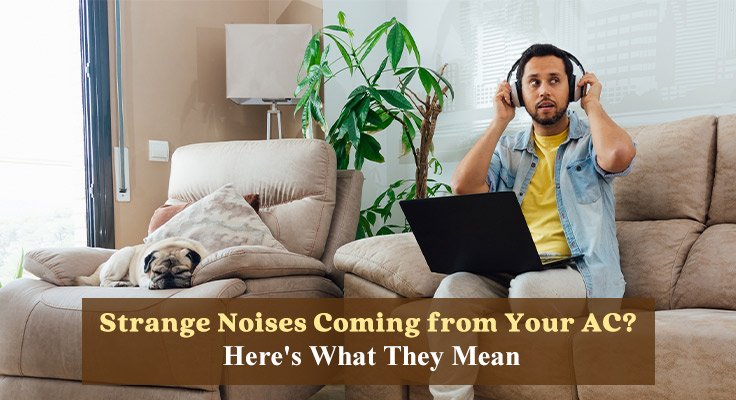
Most homeowners expect their air conditioner to run quietly in the background, delivering cool air without drawing attention to itself. While every AC system makes some operational sounds, unusual or sudden noises often indicate that something isn’t functioning properly. Ignoring these warning signs can allow minor issues to develop into costly repairs or even complete system failures.
If your cooling system starts making unfamiliar sounds, understanding what they mean can help you determine when it’s time to seek professional assistance. Homeowners who rely on air conditioning services in Havertown, PA should pay close attention to these noises, as they often provide valuable clues about the condition of the system.
Why AC Noises Matter
Your air conditioner consists of many moving parts, electrical components, and refrigerant systems working together to keep your home comfortable. When one of these components begins to wear out or malfunction, it often creates a distinctive sound.
Unusual noises can signal:
- Mechanical wear and tear
- Electrical issues
- Airflow restrictions
- Loose components
- Refrigerant problems
- Motor failures
Addressing these warning signs early can help prevent larger problems and extend the life of your HVAC system.
Loud Banging or Clanking
Banging sounds are often among the most concerning noises homeowners hear. If your AC suddenly begins producing loud metallic impacts or clanking sounds, there may be a loose or broken component inside the unit.
Possible causes include:
- Damaged fan assemblies
- Loose internal hardware
- Compressor component failure
- Worn motor mounts
When parts become detached, they can strike other components while the system operates. This can quickly lead to more severe damage if the unit continues running. Turning off the system and scheduling a professional inspection is usually the safest course of action.
Persistent Buzzing Sounds
A steady buzzing noise can indicate several potential issues. While some electrical humming is normal, a louder or unusual buzz often points to a developing problem.
Common sources include:
- Electrical connection issues
- Failing capacitors
- Loose wiring
- Dirty condenser coils
- Refrigerant concerns
Electrical problems should always be taken seriously because they may create safety hazards in addition to affecting system performance. A qualified technician can safely diagnose and resolve the issue.
Hissing Noises
A hissing sound typically suggests that air or refrigerant is escaping from a place where it shouldn’t be. These leaks can reduce efficiency and make it difficult for the system to maintain desired indoor temperatures.
Potential causes include:
- Refrigerant leaks
- Damaged refrigerant lines
- Leaky ductwork
- Faulty valves
Since refrigerant handling requires specialized training and equipment, homeowners should avoid attempting repairs themselves. Prompt service can help restore efficiency and prevent further system damage.
High-Pitched Squealing
A squealing or screeching sound often originates from moving components that are experiencing excessive friction or wear.
This may result from:
- Worn belts
- Motor bearing issues
- Blower motor problems
- Misaligned mechanical components
Older HVAC systems that utilize belt-driven components are particularly prone to these noises. Ignoring a squeal can eventually lead to motor failure or reduced airflow throughout the home.
Continuous Clicking
A brief click when the system starts or stops is perfectly normal. However, repeated clicking throughout operation can indicate an underlying problem.
Potential issues include:
- Malfunctioning thermostats
- Electrical relay failures
- Defective control boards
- Compressor difficulties
When clicking becomes frequent, the system may struggle to cycle properly. Addressing the issue early can prevent future startup failures and operational interruptions.
Rattling and Vibrating Sounds
Rattling noises often develop as components loosen over time. While these sounds may initially seem minor, they can indicate problems that deserve attention.
Possible causes include:
- Loose screws or panels
- Debris inside the outdoor unit
- Damaged fan blades
- Aging components
Outdoor units frequently collect leaves, twigs, and other debris that can create rattling sounds. Routine maintenance can often identify and resolve these issues before they worsen.
Whistling or Airflow Noises
If you hear a whistling sound while your system is running, airflow restrictions may be to blame.
Common causes include:
- Dirty air filters
- Blocked vents
- Damaged ductwork
- Air leaks within ducts
Restricted airflow forces your system to work harder than necessary, which can increase energy consumption and place additional strain on equipment. Replacing clogged filters and maintaining clean airflow pathways can often improve performance.
Grinding Sounds
Grinding noises should never be ignored. These sounds usually indicate significant mechanical wear and can lead to major damage if not addressed immediately.
Potential causes include:
- Worn motor bearings
- Compressor damage
- Internal metal-on-metal contact
- Failing mechanical assemblies
When grinding occurs, shutting down the system and contacting a professional is often the best way to prevent catastrophic failure.
Gurgling or Bubbling Noises
Gurgling sounds can occur when refrigerant flow is disrupted or when drainage systems become blocked.
Possible explanations include:
- Refrigerant leaks
- Air trapped within refrigerant lines
- Clogged condensate drains
- Moisture drainage problems
Although gurgling may seem less alarming than banging or grinding, it can still indicate issues that reduce system performance and require professional attention.
The Benefits of Early Detection
Many AC problems begin as relatively small issues that become progressively worse over time. Strange noises are often among the earliest indicators that something needs attention.
Responding quickly can help:
- Reduce repair expenses
- Prevent unexpected breakdowns
- Improve energy efficiency
- Extend equipment lifespan
- Maintain indoor comfort
A minor repair today may prevent a much larger and more expensive problem tomorrow.
Preventive Maintenance Helps Reduce Noise Problems
Routine maintenance remains one of the most effective ways to prevent unusual AC sounds. During regular service visits, technicians inspect components, identify wear, and correct minor issues before they become serious.
Maintenance services often include:
- Cleaning coils
- Inspecting electrical systems
- Checking refrigerant levels
- Lubricating moving parts
- Tightening loose connections
- Replacing dirty filters
Regular maintenance not only improves performance but also helps ensure quieter operation throughout the cooling season.
When Professional Service Is Necessary
While homeowners can handle basic tasks such as replacing air filters and clearing debris around outdoor units, most unusual noises require professional evaluation. Modern air conditioning systems contain complex electrical and mechanical components that should be serviced by trained technicians.
If you notice persistent banging, buzzing, grinding, squealing, or hissing sounds, scheduling an inspection can help identify the root cause before the problem worsens.
Final Thoughts
An air conditioner rarely starts making strange noises without a reason. Whether it’s a rattling panel, a buzzing electrical component, a squealing belt, or a grinding motor, unusual sounds often provide early warning signs of developing problems. Paying attention to these signals and addressing them promptly can help protect your investment and maintain reliable cooling.
With routine maintenance and timely repairs, homeowners can enjoy quieter operation, improved efficiency, and greater peace of mind throughout the cooling season. When your AC starts sounding different than usual, it’s often your system’s way of asking for attention.
Also Read: Signs It’s Time for an Air Conditioner Duct Cleaning Service