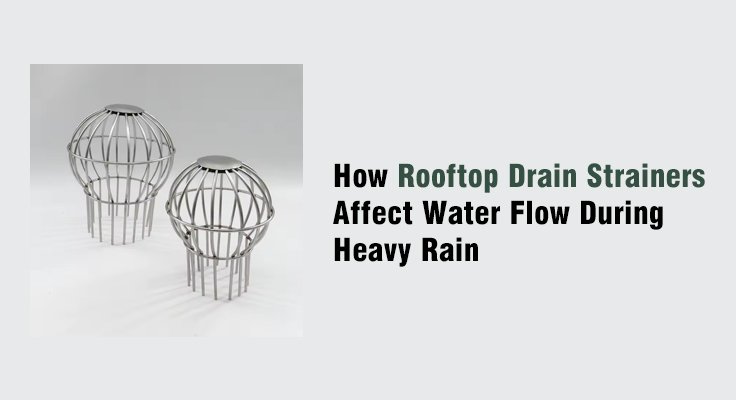
If you have ever stood on your porch during a summer downpour, you know just how much water a roof actually collects. It is basically a giant funnel. When that volume of water has nowhere to go, things get messy fast. Most homeowners do not spend much time thinking about the little mesh cages or plastic domes sitting over their roof drains. However, those strainers are the unsung heroes of your drainage system. Hiring a professional roof repair sandy contractor ensures that these small components are positioned correctly to prevent catastrophic overflows. Without a functional strainer, your roof is essentially a ticking time bomb when the clouds open up.
The Purpose of the Strainer
A rooftop drain strainer is a simple piece of hardware designed to keep debris out of your piping. Think of it like the hair catcher in your shower. If leaves, twigs, or tennis balls make their way into the actual drain pipe, they create clogs deep within the building. These clogs are expensive and difficult to clear. The strainer acts as a first line of defense. It lets the water through while trapping the big stuff on the outside.
During heavy rain, the strainer has to balance two jobs. It needs to filter out trash, but it also has to allow hundreds of gallons of water to pass through every minute. If the strainer is too fine, it acts like a wall. If it is too open, it lets the wrong things in. Finding that middle ground is what keeps your ceiling from leaking during a storm.
How Debris Creates a Dam Effect
The biggest issue during a heavy storm is not usually the strainer itself, but what the strainer catches. As rain washes over the roof, it carries everything in its path toward the drain. This includes granules from shingles, dead leaves, and bird nests. When these items hit the strainer, they stick to the sides.
As the rain gets heavier, more debris piles up against the mesh. This creates a literal dam around the drain. You might have a six-inch pipe ready to take the water away, but if the strainer is covered in wet leaves, only a tiny trickle gets through. This is when you start to see ponding. Water begins to pool around the drain and spread across the roof surface. On a flat roof, this extra weight is incredibly dangerous. Water is heavy, and if it cannot flow through the strainer, it will sit there and put immense pressure on your structural beams.
Understanding Flow Dynamics
Water does not just fall into a hole. It needs to create a vortex or a smooth path to exit efficiently. High-quality rooftop strainers are usually shaped like domes rather than flat grates. There is a very specific reason for this design. If a strainer is flat, a single large leaf can cover the entire opening and stop the flow.
With a dome-shaped strainer, the water can still enter through the sides even if the top is covered in debris. During a massive rain event, the water level on the roof might rise an inch or two. A dome strainer allows the water to enter from multiple angles and heights. This keeps the flow rate high even when the roof is a bit messy. If you notice water swirling or “chugging” as it goes down, your strainer is likely struggling to keep up with the volume.
The Risk of Scupper Overload
When a primary drain strainer is blocked, the water has to go somewhere. Most commercial or flat roofs have emergency overflows called scuppers. These are holes in the side walls of the roof. If you see water pouring out of a scupper like a waterfall, it is a giant red flag. It means your drain strainers are completely blocked.
Heavy rain puts a lot of stress on these secondary systems. Scuppers are not usually designed to handle the full load of a storm for a long time. They are there as a warning. If the strainer is doing its job and staying clear, the scuppers should stay dry. A clear strainer ensures that water moves vertically down the pipes rather than horizontally across the roof membrane, which is where most leaks start.
Maintenance and Prevention
You should never wait for a storm to check your drains. A quick walk on the roof once a month can save you thousands of dollars. You want to look for any buildup around the base of the strainer. Even a little bit of silt can slow down the water flow.
It is also important to check that the strainer is actually bolted down. During heavy winds and rain, a loose strainer can be tossed aside. If the strainer moves, the drain is wide open to large debris. This leads to a total pipe blockage that might require a plumber and a roofer to fix. Keeping the area around the drain clear of loose gravel and organic material is the best way to ensure the strainer works when the weather turns bad.
Final Word
Ignoring your roof drains is a recipe for disaster. A simple plastic or metal strainer is the only thing standing between a dry home and a flooded interior. If you are worried about how your system will handle the next big storm, calling a roof repair sandy contractor for an inspection is a smart move. A little bit of maintenance today prevents a massive headache when the heavy rain finally hits.