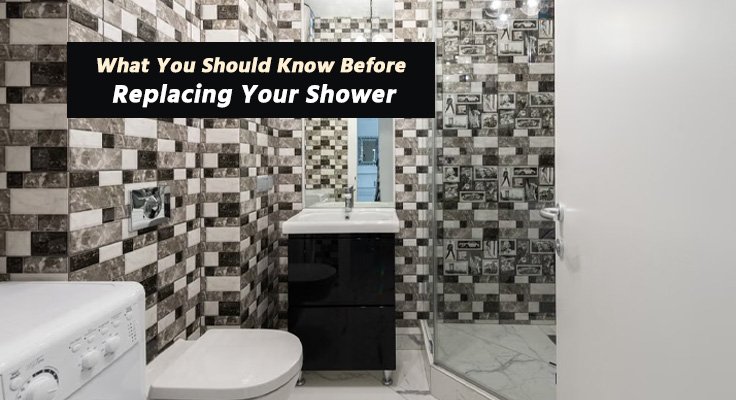
If your shower feels dated, cramped, or harder to clean every month, replacement starts looking less like a luxury and more like damage control. In a humid place like Tampa, bathrooms deal with extra moisture, mold risk, and plenty of wear from daily use. A smart shower upgrade can improve comfort, reduce maintenance, and make your bathroom feel far more functional without turning your life into a months-long renovation saga.
What a Shower Replacement Usually Includes
A full shower replacement is more than swapping one fixture for another. It often includes removing the old enclosure, checking for hidden water damage, updating wall surrounds, replacing the base or pan, and installing new hardware. Depending on the condition of your bathroom, plumbing adjustments may be needed too.
You might choose acrylic or composite surrounds for easy cleaning, or tile for a more custom look. Frameless glass doors, built-in shelving, grab bars, and low-threshold entry designs are common upgrades that improve both style and usability. If you’re looking into Tampa shower replacement, it helps to think in terms of function first. The nicest finish in the world won’t save a bad layout.
Before any work starts, ask what is included in demolition, disposal, waterproofing, and finishing details. Those line items matter more than many homeowners expect.
Signs Your Shower Needs More Than a Quick Fix
A shower can look fine at first glance and still be quietly falling apart behind the scenes. Cracked tiles, stained grout, soft spots underfoot, and recurring mildew often point to issues that cleaning products can’t solve. If your shower door sticks, water leaks onto the floor, or old caulk keeps peeling away, you’re probably dealing with age and moisture damage rather than a simple cosmetic problem.
You should also pay attention to how the space works for you. A shower that feels too small, too dark, or awkward to enter can make every morning more annoying than it needs to be. If repairs keep stacking up, replacement often makes more sense financially. Patch jobs can become the home improvement version of putting tape on a sinking kayak.
How Tampa’s Climate Changes the Conversation
Bathroom remodeling in Tampa comes with a local twist: heat and humidity don’t exactly play nice with trapped moisture. If ventilation is weak and materials aren’t installed properly, mold and mildew can show up fast. A shower replacement in this climate should focus heavily on waterproofing, sealed joints, and surfaces that can handle constant damp conditions.
You should also consider airflow. A new shower paired with a poor exhaust fan is like buying running shoes and then tying the laces together. It looks promising, but the result won’t be great. Ventilation, moisture-resistant materials, and smart installation practices work together.
Homes in coastal and storm-prone areas may also benefit from materials that resist warping and corrosion. Metal hardware, glass coatings, and wall systems should be chosen with long-term exposure in mind. Tampa homeowners often need practicality and durability just as much as visual appeal.
Choosing Materials That Match Your Lifestyle
The right shower material depends on how you live, not just what photographs well. If you want low maintenance, acrylic and solid-surface options are popular because they resist mold, wipe down easily, and don’t require grout scrubbing. If you love a more custom appearance, tile offers flexibility with patterns, colors, and textures, though it usually needs more upkeep.
Think about who uses the shower every day. A household with kids, older adults, or multiple people sharing one bathroom may need slip-resistant flooring, built-in seating, and easier entry. If you’re planning to stay in your home for years, accessibility features can be smart even if you don’t need them yet.
Good design should survive real life. Shampoo bottles multiply. Soap leaves residue. Busy mornings happen. Choose finishes and storage features that make the shower easier to use when your schedule is packed and your patience is thin.
Budgeting Without Getting Blindsided
Shower replacement costs can vary a lot depending on materials, labor, plumbing changes, and whether hidden damage appears after demolition. A straightforward replacement in a well-maintained bathroom is one thing. Rot behind the walls or outdated plumbing can shift the budget fast.
You should ask for a written estimate that breaks down the basics:
– Demolition and disposal
– Shower base or pan installation
– Wall materials and waterproofing
– Plumbing fixture updates
– Door or enclosure installation
– Labor and project timeline
– Warranty coverage
That itemized view helps you compare options clearly instead of staring at one big number and hoping for the best. It also gives you room to decide where to spend and where to simplify. Fancy hardware can wait. Reliable waterproofing should not. If a quote seems unusually low, check what’s missing before you celebrate.
What to Ask a Contractor Before You Commit
A contractor can make your project smooth or turn it into a cautionary tale you retell for years. Ask direct questions about licensing, insurance, experience with shower-specific remodels, and how they handle water damage if it’s discovered mid-project. You also want to know who is actually doing the work and whether subcontractors will be involved.
Request a realistic timeline, not an optimistic one. Delays happen, but vague scheduling usually signals trouble. Ask how the area will be protected during demolition, what cleanup is included, and how they handle final inspections or punch-list issues.
It also helps to ask for photos of similar completed projects. Not glamorous showroom shots, but real installations in lived-in homes. You’re trying to see craftsmanship, not just camera angles. A solid contractor should be comfortable explaining materials, methods, and why one approach may fit your bathroom better than another.
How to Prepare for the Project and Protect the Result
Once your project is scheduled, a little preparation can save you stress. Clear out personal items, remove rugs and décor, and make a plan for where everyone will shower during the work. If this is your only bathroom, logistics matter quickly. Even a short project can feel long when your morning routine has no home base.
After installation, take care of the new shower the right way. Use non-abrasive cleaners, run the exhaust fan during and after showers, and check seals and caulk periodically. Even durable materials last longer when moisture is managed properly.
If you replaced an old shower because cleaning had become impossible, keep that fresh start going. A good replacement should make your bathroom easier to maintain, more comfortable to use, and better suited to your daily routine. That’s the real upgrade: less hassle, more function, and no need to wrestle with a leaky door before coffee.