Many people feel weird or insecure about visible veins. Professional vein treatment procedures safely address these issues. Knowing what happens in every stage of care allows people to prepare for it and, therefore, helps them have a smoother experience mentally and physically. The entire journey from consultation to recovery is detailed here.
Initial Consultation: Laying the Groundwork
When you get any type of procedure done, proper consultation is crucial. Our specialists will take a detailed review of the history of your medical treatment, the symptoms you are experiencing today, and the veins that are bothering you. This step could also involve a physical exam to localize affected areas. Patients usually talk about expectations, potential effects, and questions during this visit. Choosing Rosen Vein Care Northbrook ensures patients gain access to expert care that combines precision with comfort.
Diagnostic Evaluation: Pinpointing the Issue
Definitive treatment can not be given without an appropriate diagnosis. Ultrasound (an imaging tool) is often a common first investigation performed by specialists using non-invasive imaging techniques that focus on vein structure and blood flow. It is used to assess the degree of damage to the veins and where the damage is located.
Treatment Planning: Customizing Care
Varicose veins are different for each person, so the approach should be personalized. Following the diagnosis, specialists describe a recommended approach. Your best bet is likely sclerotherapy, laser treatment, or a less invasive surgery. Each technique is described by one of the providers, including the expected results, possible side effects, etc., so that the patients can weigh in on what they prefer.
Preparation: Setting Expectations
Patients are given specific instructions before treatment that must be adhered to for safety and effectiveness. These could include refraining from medications, fasting, or dressing in loose-fitting clothing. Then, providers discuss pre-procedure jitters and how to help ease anxiety. This approach reduces anxiety and prepares the child for calmness before the appointment.
During the Procedure: Step-by-Step Care
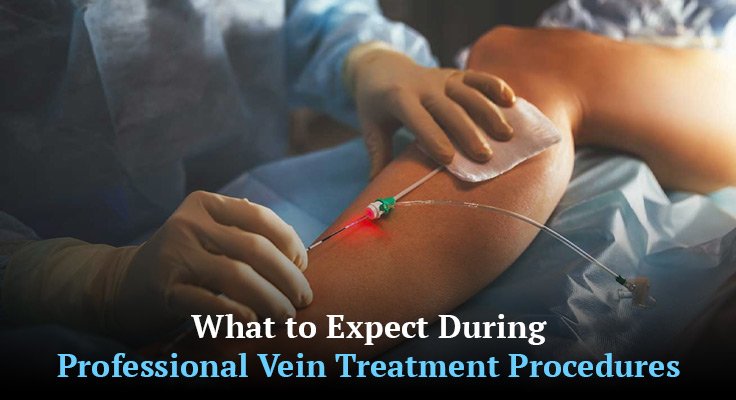
When the patients arrive on the day of the procedure, a team welcomes them with two goals: comfort and safety. With local anesthesia or numbing agents applied near the surface, the procedure is performed without discomfort. The specialist then applies the chosen method, which could be injecting a slurry, using a laser, or carrying out small incisions. All methods aimed to destroy damaged veins while leaving healthy tissue untouched.
Immediate Aftercare
After the procedure, early recovery is the next focus. Providers start cleaning the wound before applying other treatments, such as compression bandages or stockings to help with circulation. We may give them detailed guidelines regarding what to do at home, such as walking often, avoiding vigorous activity, and how to keep any treated sites clean. Some early guidance keeps setting complications aside while quickly bringing recovery back back.
Side Effects and Recovery
Generally, your experienced side effects like bruising or swelling are mild and short-lived. Patients can expect normalization over days or weeks. A few people encounter gentle touchiness or slight staining, which typically clears up without help. We encourage them to remain in contact with their provider and to report any unusual symptoms immediately, providing peace of mind during recovery.
Follow-Up Appointments
You can trace the progress over time by using scheduled check-ins. Specialists evaluate healing and clarify any remaining doubts during these visits. Check-ups can also be a time to discuss any aftercare and if you need more treatments. Making sure we talk it through regularly gives us and them long-term pleasure and the best outcomes.
Long-Term Care: Maintaining Healthy Veins
This commitment to vein health starts with professional treatment. Many times, the specialists give you tips on how to keep the results. These could be lifestyle modifications, which may involve daily exercise, maintaining a healthy weight, or, as indicated, wearing compression garments. Lifestyle changes are easy to make that keep the blood flowing and limit problems from recurring.
Conclusion
Professional vein treatment procedures can alleviate veins that are difficult to see or cause discomfort. Beginning with an initial consultation, moving through the prescribed steps, and all the way through the recovery experience is done with a prearranged comfort within the safety of this comforting routine. Understanding the various stages helps individuals confidently seek treatment.