Consumers today are exposed to thousands of digital ads, emails, and social media promotions every single day. As online spaces become increasingly crowded, many brands struggle to create memorable experiences that genuinely stand out.
Surprisingly, some of the strongest brand impressions are created away from screens. Tangible, real-world interactions give consumers something they can physically see, hold, and experience directly.
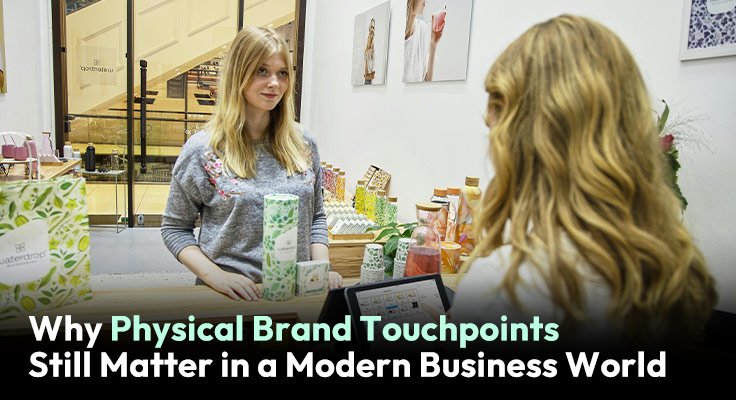
Physical brand touchpoints like packaging, branded workspaces, and promotional items can create lasting impressions that digital marketing alone often cannot replicate. These experiences help businesses feel more authentic, recognizable, and trustworthy in the eyes of customers.
In today’s crowded and highly competitive market, physical branding continues to influence customer perception more than many businesses realize.
Creating Memorable Brand Experiences
Printed packaging, branded merchandise, and store designs leave lasting impressions. Customers often remember brands they can physically interact with. Tangible experiences build stronger emotional connections and trust. These moments improve brand recognition and encourage long-term customer loyalty.
A 2025 Harris Poll study highlights the enduring value of physical retail environments. The data reveals that 71% of US consumers believe positive in-store experiences significantly strengthen their brand loyalty. Many consumers still value physical product discovery. Tangible brand interactions create stronger emotional connections.
The Value of Branded Merchandise
Unlike digital ads that disappear quickly, promotional products provide lasting brand visibility through everyday use. Businesses continue investing in branded office items because products like pens, portfolios, and workplace accessories reinforce recognition and strengthen customer familiarity over time.
The true magic of everyday products lies in their utility. When an item integrates into a daily routine, it becomes a practical tool. For professionals, this often starts with sorting emails and reaching for morning coffee. By embedding a logo into these moments, businesses achieve constant visibility. A high-quality branded coffee mug sits on a desk for hours, quietly reinforcing visibility at home or the office.
Pens.com recommends mugs for employee desks and student orientation packages. Businesses also use them to celebrate customer milestones and strengthen relationships. Custom mugs distributed at fundraisers and events provide memorable souvenirs while increasing long-term brand visibility.
Strengthening Workplace Culture
Employees connect deeply with company values when physical brand touchpoints reinforce workplace culture. Branded office spaces, signage, and materials create a shared identity of belonging among teams. These elements improve morale, collaboration, and pride in the organization’s mission. They also reinforce consistency between internal culture and external brand perception.
Gallup reported that, as of August 2025, only 20% of US employees strongly feel connected to their organization’s culture. Employees with stronger cultural connections are 47% less likely to seek other jobs. They are also 62% less likely to frequently experience workplace burnout, highlighting the importance of supportive and engaging environments.
Standing Out in Competitive Markets
A strong, memorable brand presence is essential to outshine rivals in crowded marketplaces. Physical brand touchpoints help businesses differentiate themselves beyond digital spaces.
Unique packaging, storefronts, and printed materials create lasting impressions on customers. These tangible elements increase recognition, build trust, and give brands a competitive edge in crowded industries.
To stand out, businesses are looking beyond the screen. Deloitte reported that despite digital growth, 80% of shopping still happens in physical stores. Consequently, four in 10 retail executives plan to reinvest in store experiences. These upgrades, from remodels to technology, aim to capture valuable in-store traffic in competitive markets.
Building Customer Trust
Physical brand touchpoints help customers feel more confident about a company’s credibility. Tangible elements like packaging, storefronts, and printed materials create transparency and reliability. These real-world interactions strengthen emotional connection and encourage long-term loyalty and trust in the brand.
The PwC 2025 US Customer Experience Survey highlights a critical baseline for consumer trust. The data reveals that 93% of consumers may completely lose trust in a company if it mishandles their personal data. It shows that trust is highly sensitive in modern business. Customers evaluate every interaction for reliability and transparency.
Combining Digital and Physical Marketing
Businesses now integrate online campaigns with real-world touchpoints to maximize reach. QR codes on packaging, in-store displays, and printed materials bridge the gap between both channels. This approach helps customers move seamlessly between digital platforms and physical interactions.
It also improves engagement by offering multiple ways to connect with a brand. Physical touchpoints add credibility, while digital tools enhance convenience and personalization. Together, they strengthen customer journeys and improve conversion rates.
This hybrid strategy ensures brands remain relevant, visible, and consistent across all marketing channels. This integration builds stronger trust and long-term customer loyalty.
Frequently Asked Questions
Do younger consumers still respond to physical marketing?
Yes, younger consumers still respond to physical marketing despite digital dominance. They value authentic, tangible experiences like packaging and branded merchandise. Physical touchpoints feel more trustworthy and memorable, helping brands stand out in a highly digital and competitive environment today.
How does packaging influence customer perception of a brand?
Packaging significantly shapes customer perception by acting as the first physical interaction with a brand. High-quality, thoughtful design communicates trust, professionalism, and value. It also creates emotional appeal and strengthens recognition, making customers more likely to remember and repurchase the product over time.
Can physical branding support word-of-mouth marketing?
Yes, physical branding significantly supports word-of-mouth marketing. Unique packaging, branded merchandise, and storefront designs encourage customers to talk about their experiences. These tangible elements create memorable impressions that people naturally share with others, increasing organic brand visibility and customer-driven promotion.
Key Statistics on Physical Branding and Customer Engagement
| Consumer loyalty and in-store experiences | 71% of US consumers believe positive in-store experiences strengthen brand loyalty |
| Employee connection to workplace culture | Only 20% of US employees strongly feel connected to their organization’s culture |
| Reduced job searching through culture | Employees with stronger cultural connections are 47% less likely to seek other jobs |
| Workplace burnout and culture | Employees with strong cultural connections are 62% less likely to frequently experience burnout |
| Physical store shopping trends | 80% of shopping still takes place in physical stores despite digital growth |
| Retail investment in store experiences | Four in 10 retail executives plan to reinvest in store experiences |
| Consumer trust and data handling | 93% of consumers may completely lose trust in a company if personal data is mishandled |
The Lasting Impact of Physical Brand Touchpoints
Physical brand touchpoints continue to play a vital role in shaping strong and memorable brand identities. They enhance customer trust, emotional connection, and long-term loyalty. Even in a digital-first world, tangible experiences help brands stand out and remain credible. From packaging to workplace culture, these elements reinforce consistent brand perception.
They also support marketing efforts by complementing digital strategies effectively. Businesses that invest in physical branding create deeper engagement and stronger recall. Ultimately, physical touchpoints ensure brands stay relevant, trusted, and competitive in modern markets.