Key Takeaways
- Whistleblowers are vital in highlighting and addressing corporate misconduct while supporting ethical standards.
- Legal safeguards and incentive programs play a key role in encouraging whistleblowers to come forward.
- Retaliation and other personal risks remain significant obstacles, necessitating robust protections and support systems.
- Technology has transformed whistleblowing through secure, anonymous reporting platforms.
- Landmark cases demonstrate the far-reaching societal and corporate impacts of whistleblower revelations.
Table of Contents
- Role of Whistleblowers in Corporate Governance
- Legal Protections and Incentives for Whistleblowers
- Challenges Faced by Whistleblowers
- Technological Advancements in Whistleblowing
- Impact of High-Profile Whistleblower Cases
- Corporate Responses to Whistleblowing
- Future of Whistleblowing in Corporate Accountability
- Conclusion
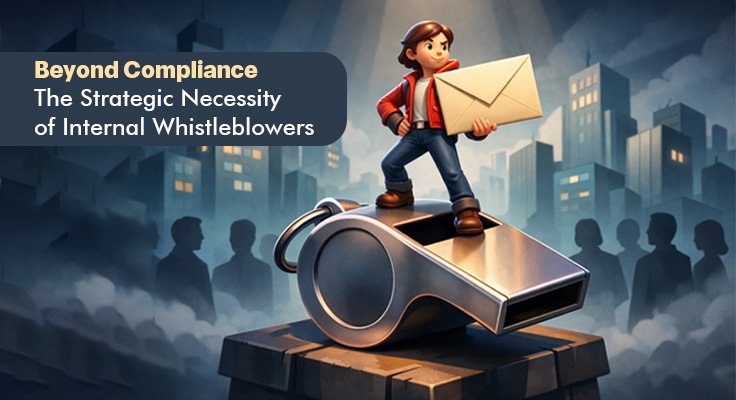
Whistleblowers serve a fundamental purpose in today’s corporate landscape. Their willingness to report unethical conduct can reveal issues invisible to the public and even to many within the company. Getting help from a dedicated whistleblower attorney for federal cases is often an important first step for individuals considering coming forward to report corporate wrongdoing. Whistleblower disclosures not only expose hidden misconduct but also drive meaningful reforms and foster a culture of transparency and accountability across organizations.
By standing up against unethical behaviors, whistleblowers equip companies, regulators, and society to prevent financial scandals, environmental harm, and other detrimental outcomes. However, taking this stand is rarely easy. It carries personal and professional risks and often requires legal support and effective reporting channels to ensure whistleblowers are protected. Their bravery helps uphold public trust in business and strengthens corporate governance practices at every level.
Role of Whistleblowers in Corporate Governance
Whistleblowers act as internal sentinels within corporations, identifying harmful or illegal activities that are often invisible from the outside. By reporting these issues, they facilitate immediate internal corrections that can prevent spiraling into larger scandals. Whistleblowers help protect shareholder value, shield consumers from harm, and serve the broader public interest. Their interventions are instrumental in maintaining corporate integrity and regulatory compliance, setting the foundation for lasting business success and social trust. Furthermore, studies have shown that organizations with strong whistleblowing policies are less likely to face regulatory penalties. These forward-thinking companies demonstrate their commitment to openness by regularly training employees on ethical decision-making and by swiftly responding to complaints. This continuous cycle of self-improvement often leads to a healthier workplace atmosphere, enhancing morale and retention rates, and reinforcing positive external reputation.
Legal Protections and Incentives for Whistleblowers
Recognizing the importance of whistleblowers, governments have established numerous legal frameworks to shield and incentivize them. The United States Department of Justice (DOJ), for example, provides whistleblowers with both legal protections against retaliation and potential financial rewards for significant information. The DOJ now offers programs that may forgo prosecution for individuals who come forward with evidence of employer wrongdoing, aiming to foster safer reporting environments. Such legal advancements seek to empower whistleblowers to act without fear of personal or career-related reprisals.
It is critical for would-be whistleblowers to familiarize themselves with relevant laws, such as the U.S. Dodd-Frank Act and Sarbanes-Oxley Act, which offer comprehensive protections and clearly outline the reporting process. Consulting with an attorney who specializes in whistleblower rights can significantly improve an individual’s chances of success and personal safety throughout the process.
Challenges Faced by Whistleblowers
Even with well-intentioned laws, many whistleblowers still face professional retaliation, social ostracism, legal battles, and substantial emotional tolls. Some corporations have been known to use confidentiality agreements to deter employees from reporting illegal activities externally, thereby discouraging reporting and suppressing important information. Advocates argue this chilling effect underscores the critical need for consistently strong legal protections and accessible support systems. Studies reported by major media outlets, such as The Washington Post, offer compelling insights into the consequences of inadequate protections.
Support groups, counseling, and peer networks are increasingly available, aiming to help whistleblowers navigate the psychological impact of their actions. By accessing these resources, individuals can better manage stress, isolation, and the pressures that come with coming forward, thereby strengthening their resilience during drawn-out investigations.
Technological Advancements in Whistleblowing
Recent years have seen technology reshape whistleblowing with digital platforms and secure anonymous reporting, allowing employees to report safely without fear of exposure. Organizations invest in third-party systems to improve secure communication, creating an $18 billion industry focused on ethical compliance. AI and advanced encryption enhance privacy and data protection, empowering employees to report without fear of retaliation while safeguarding their identities.
Impact of High-Profile Whistleblower Cases
Notable whistleblower cases have triggered sweeping industry reforms, significant regulatory enforcement, and billions in recovered funds. Agencies such as the U.S. Securities and Exchange Commission (SEC) have reported record numbers of tips, leading to high-profile enforcement actions that protect countless stakeholders. These landmark cases reinforce the pivotal role whistleblowers play in exposing corruption and driving broader accountability both in the public and private sectors. The New York Times covers these impacts and the stories of individuals leading these changes.
Whistleblower actions not only prevent future wrongdoing but also prompt businesses to proactively audit internal systems, close compliance gaps, and revamp companywide training efforts. The ripple effect leads to the adoption of new policies and industry standards worldwide, setting a precedent for others to follow. This ongoing cycle of exposure and reform makes whistleblowing a crucial driver of societal progress and legal accountability.
Corporate Responses to Whistleblowing
Corporations increasingly recognize the value of robust internal reporting and strong whistleblower protections, which benefit employees and enhance their reputations. Many implement compliance programs, hotlines, and transparent procedures to address issues early. This demonstrates a commitment to ethics and builds trust among employees, investors, and the public. Leadership accountability encourages a speak-up culture, helping preserve brand integrity and attract top talent. Addressing concerns reduces risks and improves sustainability.
Future of Whistleblowing in Corporate Accountability
Whistleblowers will continue to expand their role in shaping responsible corporate behavior. Legal reforms, new technology, and a culture of transparency are expected to strengthen protections for those exposing wrongdoing. Investment in protective laws and secure reporting is essential to maintaining the effectiveness of whistleblowing. They are key to accountability, inspiring change, and protecting stakeholders. The future requires commitment to safeguarding whistleblowers, enhancing ethics, and promoting transparency. As workplace culture and oversight evolve, whistleblowers remain vital for democracy and market integrity. Encouraging dialogue, vigilance, and protection is crucial to enforcing ethical conduct. Businesses, advocacy groups, and governments must collaborate to maintain robust systems supporting whistleblowers.
Conclusion
Whistleblowers are vital in enhancing corporate accountability, protecting stakeholders, and promoting ethics. By exposing misconduct, they help organizations prevent crises that could harm trust and stability. Their actions safeguard consumers, employees, and investors while encouraging transparent workplaces. As protections and awareness grow, their influence on governance and compliance increases. Ongoing support from governments, companies, and advocacy groups, through legal safeguards, reporting channels, and emotional support, is essential. Empowering whistleblowers leads to healthier institutions, fairer markets, and a society that values and protects ethical conduct.