The way people think about furniture has changed dramatically over the past decade. Homes have become offices, apartments have become smaller, and families increasingly expect their living spaces to evolve alongside changing lifestyles. Consumers don’t want furniture that serves just one purpose for years. They want pieces that can adapt to new homes. They want furniture that works for growing families. They want furniture that supports hybrid work. They also want pieces that fit changing design tastes.
This shift has pushed modular design from a niche concept into one of the furniture industry’s most significant innovations. Today, modular furniture is influencing how products are designed, manufactured, sold, and even maintained. Rather than seeing furniture as a one-time buy, manufacturers now offer systems that give customers more flexibility. They do this without losing style or comfort.
Why flexibility has become a competitive advantage
Modern consumers rarely stay in the same circumstances forever. A first apartment often leads to a larger home. A spare bedroom may become a home office. A growing family might require additional seating, while empty nesters may downsize.
Traditional furniture struggles to accommodate these changes. Modular furniture, however, is designed around adaptability. Individual components can be rearranged, expanded, or reduced without replacing an entire piece.
This approach benefits both consumers and manufacturers. Buyers gain furniture that evolves with their needs, while companies can develop product ecosystems rather than isolated products.
Brands such as Soulfa reflect this broader industry movement by offering modular cloud couches that allow homeowners to reconfigure layouts instead of replacing their seating when their living space changes. The value lies less in following a trend than in extending the useful life of a major furniture purchase.
Urban Living Is Changing Product Design
One of the biggest forces driving innovation is urbanization. According to the United Nations, nearly 70% of the world’s population may live in cities by 2050. This trend will put more pressure on available housing. pressure on available living space. As homes become more compact, furniture must work harder.
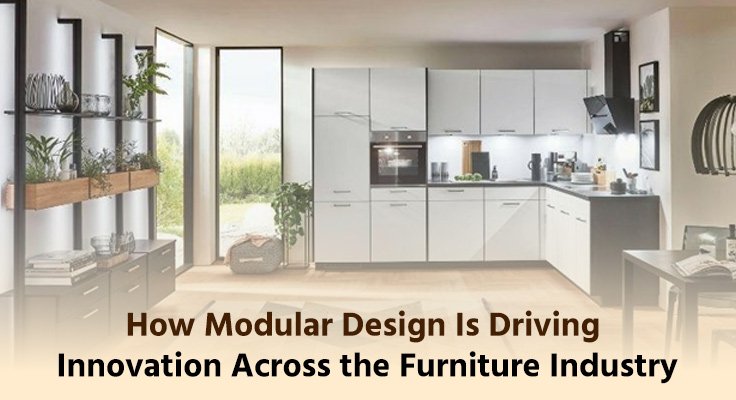
Designers have responded by creating products that maximize functionality without overwhelming smaller rooms. Modular sofas, stackable shelving, configurable storage systems, and multi-purpose seating all address the reality that square footage has become increasingly valuable.
Rather than forcing homeowners to choose between aesthetics and practicality, modular systems allow them to customize layouts that fit their available space.
Innovation Goes Beyond Appearance
When people hear the phrase “modular furniture”, they often picture sectional sofas. In reality, modular thinking is influencing nearly every stage of furniture development.
Manufacturers now invest heavily in:
- Component-based engineering that simplifies repairs and replacements.
- Faster assembly systems that reduce installation time.
- Digital configuration tools that let customers visualize different layouts before purchasing.
- Materials designed to withstand repeated reconfiguration without compromising durability.
This engineering-focused approach represents a major shift from designing a single finished product toward creating flexible systems.
It also encourages continual product improvement. Manufacturers can introduce new modules or accessories without redesigning an entire furniture collection.
Sustainability Is Part of the Design Process
Sustainability has become a major consideration across the furniture sector. While no furniture category is automatically sustainable, modular design supports several principles associated with the circular economy.
Instead of discarding an entire sofa because one section is damaged or a room layout changes, consumers may only need to replace or add individual components. This can reduce unnecessary waste while extending the lifespan of larger furniture investments.
Many manufacturers are also incorporating recycled materials, responsibly sourced wood, and lower-impact production methods into modular collections as consumer expectations continue to evolve. Industry analysts identify sustainability alongside customization as one of the strongest growth drivers for the modular furniture market.
Although responsible manufacturing depends on many factors beyond modularity alone, designing products for longer use represents an important step toward reducing unnecessary consumption.
Technology Is Reshaping the Buying Experience
Innovation isn’t limited to the furniture itself. Digital technology has transformed how consumers shop for modular products.
Many retailers now offer online configuration tools that allow buyers to experiment with layouts, colors, and dimensions before placing an order. Augmented reality applications also help customers visualize furniture within their own homes, reducing uncertainty around size and fit.
These technologies create a more personalized purchasing experience while reducing costly returns caused by inaccurate expectations.
For manufacturers, digital visualization closes the gap between product design and customer feedback. It helps new ideas reach the market faster.
Modular Design Supports Changing Lifestyles
The rise of hybrid work has blurred the boundaries between home and office. Living rooms regularly serve multiple purposes throughout the day, requiring furniture that supports different activities without major disruption.
A modular seating arrangement, for example, can accommodate family movie nights, casual entertaining, or a quiet workspace simply by rearranging existing components.
This versatility reflects a broader lifestyle shift. Consumers increasingly value products that perform multiple functions rather than occupying fixed roles.
As homes continue evolving into flexible living environments, adaptable furniture is becoming less of a luxury and more of an expectation.
Manufacturers Are Rethinking Their Business Models
The popularity of modular furniture is changing more than product design. It is influencing how furniture companies approach manufacturing, inventory, and customer relationships.
Traditional furniture production often focuses on selling complete pieces. Modular systems create opportunities for long-term engagement by allowing customers to expand or modify existing products over time.
This approach can simplify inventory management because manufacturers produce standardized components that work together across multiple configurations.
Industry research also shows rising demand for customizable furniture as a key driver of market growth. This is especially true in homes, where flexibility is increasingly important.
Rather than encouraging replacement, companies can focus on helping customers build upon purchases they already own.
The Future of Furniture Is Built Around Adaptability
Innovation in the furniture industry has traditionally focused on materials, craftsmanship, and aesthetics. Those qualities remain important, but adaptability has become an equally valuable measure of quality.
Consumers now expect products that fit changing homes, shifting lifestyles, and evolving design preferences. Modular design meets these expectations by making furniture more flexible, more customizable, and often more durable over time.
As urban living expands, sustainability remains a priority, and digital shopping continues to improve, modular systems are likely to influence even more furniture categories.
The companies leading this evolution are not simply creating attractive products. They are designing furniture that reflects a key reality: people’s lives often change, and their furniture should change too.
References
- United Nations. 68% of the world population projected to live in urban areas by 2050.
- Mordor Intelligence. Modular Furniture Market – Industry Report.
- Fortune Business Insights. Modular Furniture Market Size, Share & Growth Report.
- Global Market Insights. Modular Furniture Market Size & Share, Statistics Report.