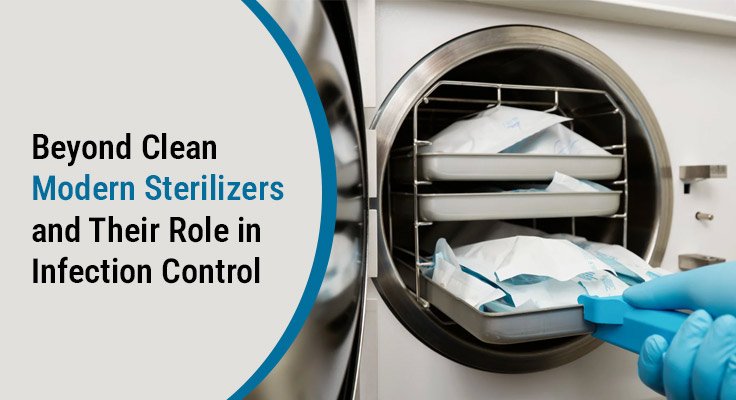
Clean tools help protect patients in hospitals and clinics everywhere. Modern sterilizers go beyond simple cleaning to remove hidden germs.
These machines help stop bacteria and viruses from spreading. They use heat, steam, or light to kill harmful microbes.
Sterilization keeps medical tools safe for every patient’s use. It also protects doctors, nurses, and support staff daily. Why is strong sterilization so important for infection control today?
Understanding this process helps everyone value safe medical care. Keep reading to learn how sterilizers protect patients daily.
What Are Modern Sterilizers and How Do They Work
Modern sterilizers are machines that kill all harmful germs on tools. They use steam, gas, or special light to remove bacteria and viruses from instruments.
Sterilization is stronger than regular cleaning or washing. These machines make sure that every tool is safe for the next use.
Sterilizers are used in hospitals, dental clinics, labs, and many care centers. They protect patients by stopping dangerous germs from spreading through medical tools.
Why Sterilization Is Key to Infection Control
Infection can spread when germs cling to instruments after use. Sterilization kills those germs and stops infection before it starts. It’s important for tools that touch deep inside the body, like surgical knives and scopes.
Sterilizers greatly reduce the risk of patients catching new illnesses during treatment. Using sterilized instruments saves lives and builds trust between patients and healthcare workers. Good sterilization is one of the best ways to protect health.
How Reprocessing Systems Improve Safety in Healthcare
Hospitals and clinics rely on clear systems to keep medical tools safe. These systems guide staff on proper cleaning, testing, and sterilizing steps. Teams review trusted sources to find medical device reprocessing that meets safety rules and quality standards.
Good reprocessing lowers mistakes and reduces infection risks. It also helps workers follow correct methods every time. When tools are processed the right way, patients receive safer care and better health outcomes.
Types of Sterilizers You Might See Today
There are many kinds of sterilizers used in health care. Some use hot steam at high pressure to kill germs fast. Others use low-temperature gas or special light for tools that can’t handle heat.
Every type works in its own way, but with the same goal: no harmful germs left behind. Sterilizers are chosen based on the tool’s material and use. Each one must be checked often to make sure it works right.
What Sterilizers Mean for Everyday Safety and Care
Sterilizers make sure tools are safe for patients and workers. They help hospitals and clinics stop infections before they happen. This keeps people healthier after surgeries and dental work.
Good sterilization lowers the chances of sickness spreading inside health facilities. Workers must follow steps to clean and check instruments before sterilizing. When used correctly, sterilizers protect families, kids, and people of all ages from hidden threats.
Sterilizers Protect Lives Every Day
Modern sterilizers do more than clean tools – they protect people from invisible dangers. These machines make instruments safe for surgery, tests, and treatment by killing germs that ordinary cleaning cannot remove.
Strong sterilization has helped health care teams reduce infection risks and improve patient safety around the world. When health workers follow good sterilizing steps, patients can heal with fewer worries. Sterilizers are an important part of keeping everyone healthy and safe.
Did you find this article helpful? If so, check out the rest of our site for more informative content.