In today’s competitive market, simply offering good products is not always enough to build a successful retail business. Customers have more choices than ever, and their expectations are constantly changing. They want stores that are easy to navigate, visually appealing, comfortable, and convenient.
For this reason, store design has become an important part of retail business strategy. A carefully planned layout, attractive product presentation, quality furniture, and effective displays can help businesses create a stronger connection with customers.
Whether you are opening a new store or improving an existing retail business, the following strategies can help you create a more effective store environment.
1. Create an Inviting Store Layout
The layout of a retail store influences how customers move through the space and what they notice first. A confusing layout can make shopping frustrating, while a clear and organized environment encourages customers to explore.
Start by identifying the main areas of your store. Consider the entrance, product sections, checkout counter, storage areas, and customer pathways.
Try to keep important pathways open and avoid placing large furniture pieces where they restrict movement. Your customers should be able to browse comfortably without feeling that the store is overcrowded.
2. Use Eye-Catching Product Displays
Product presentation can have a direct impact on how customers perceive merchandise. Even excellent products can be overlooked if they are poorly presented.
Use display tables, shelving units, racks, wall fixtures, and other display solutions to give important products more visibility.
Featured products can be positioned in areas where customers naturally look first. New arrivals, seasonal collections, promotions, and high-value products can each have dedicated display areas.
Changing displays regularly can also give returning customers something new to discover.
3. Invest in Quality Shop Fixtures
Furniture and fixtures are fundamental elements of a retail environment. They help organize products while contributing to the appearance and functionality of the store.
From clothing racks and shelving to display counters and custom units, every fixture should have a clear purpose.
Quality Shop Fixtures can help retailers make better use of their available space while creating a consistent visual identity.
The right fixtures can also support different merchandising strategies. Adjustable shelving, modular racks, and movable display tables provide flexibility when product collections change.
4. Focus on Lighting and Ambience
Lighting can completely change the atmosphere of a retail store. Bright and balanced lighting helps customers see products clearly, while accent lighting can draw attention to specific merchandise.
Consider using different lighting techniques for different areas. Featured products may benefit from focused lighting, while general shopping areas need comfortable overall illumination.
Your choice of materials, colors, flooring, furniture, and lighting should work together to create an environment that reflects your brand.
5. Make the Most of Digital Tools
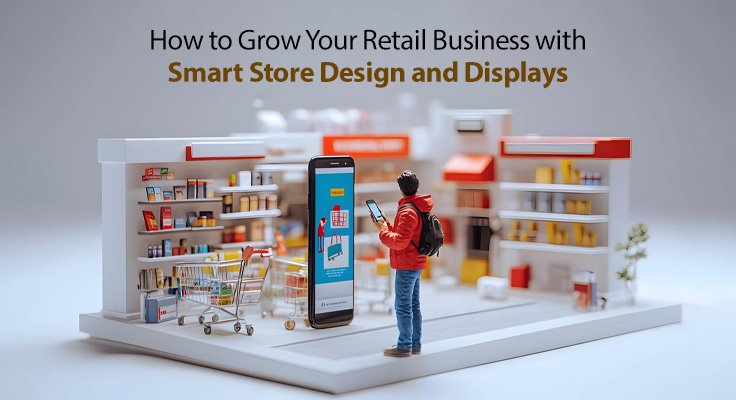
Technology has become an important part of modern retail. Digital signage, interactive screens, QR codes, self-service systems, and other technologies can improve the customer experience.
For example, a digital screen can provide product information, display promotions, or demonstrate how a product works.
QR codes can connect physical merchandise with online information. Customers can scan a product and access additional specifications, tutorials, reviews, or related products.
Technology should support the shopping experience rather than make it unnecessarily complicated.
6. Enhance Product Presentation
Customers often make purchasing decisions based on what they see. This makes visual merchandising an important part of retail business growth.
Organize products according to logical categories and make sure popular items are easy to find.
You can also create themed displays that combine related products. A home décor store, for example, could create a complete room setting instead of displaying furniture individually.
A technology store could create demonstration areas where customers can see how different devices work together.
Professional Retail Shop Displays can help businesses create organized product presentation areas that support different merchandising strategies.
7. Offer a Seamless Omnichannel Experience
Many customers research products online before visiting a physical store. They may compare prices, read reviews, watch videos, or check product availability before deciding to purchase.
Retailers can take advantage of this behavior by connecting their online and offline experiences.
Your website, social media profiles, digital content, and physical store should communicate consistent information. QR codes and digital displays can also help connect customers with your online presence.
This approach gives customers greater flexibility while allowing your business to interact with them through multiple channels.
8. Build a Strong Brand Identity
Your store should communicate what makes your business different.
Brand identity can be reflected through colors, signage, furniture, lighting, displays, packaging, and other visual elements.
Consistency is important. When customers see similar design elements across your physical store and digital platforms, it becomes easier for them to recognize and remember your business.
A strong retail environment can help turn a simple shopping trip into a memorable brand experience.
9. Keep Your Store Clean and Organized
One of the simplest ways to improve a retail environment is to keep it clean and organized.
Products should be arranged neatly, shelves should not be unnecessarily overcrowded, and walkways should remain clear.
Regularly check displays throughout the day. Products may become disorganized as customers browse, so staff should periodically restore displays to their intended arrangement.
A clean store creates a more professional impression and can make customers feel more comfortable.
10. Train Your Staff
Store design is important, but employees also play a major role in customer experience.
Staff should understand the products, know where different categories are located, and be able to assist customers when needed.
Friendly and knowledgeable service can complement a well-designed physical environment. Even the best store layout cannot replace helpful customer service.
11. Track What Works
Retail business growth requires continuous improvement. Pay attention to which products sell well, which displays attract attention, and which areas of the store receive the most customer activity.
Sales data can provide useful information about customer preferences. Use these insights to improve product placement, displays, and store organization.
You do not necessarily need to redesign the entire store. Sometimes small changes to product positioning or display arrangements can make a noticeable difference.
12. Keep Evolving With Customer Expectations
Retail trends continue to change. New technologies, shopping habits, design trends, and customer expectations can all influence the way stores operate.
Successful retailers should remain open to improvement. Update displays, refresh seasonal areas, introduce new technology where it provides genuine value, and review your store layout regularly.
A flexible retail environment makes it easier to adapt without constantly rebuilding the entire space.
Choosing the Right Retail Partner
Creating an effective store often requires more than choosing individual furniture pieces. Retailers may need customized fixtures, shelving, showcases, kiosks, counters, displays, and complete design support.
Ant Display Is A Leading Manufacturer of Retail Store Fixtures, Mall Kiosks & Displays In China. We Offer Customized Showcases, Stands, Racks & Shelving, Commercial Furniture & More. We Provide Full Shop Design, Retail Displays For USA, CA, AU & Europe.
Working with an experienced manufacturer can make it easier to develop solutions that fit your store dimensions, product requirements, branding, and business goals.
Customized fixtures can also provide better opportunities to integrate technology, lighting, signage, and storage into the overall store design.
Conclusion
Growing a retail business requires more than having good products. Customers also care about how easy and enjoyable it is to shop.
A well-planned store layout, attractive product displays, quality fixtures, effective lighting, digital tools, strong branding, and helpful staff can work together to create a better customer experience.
Retailers that continuously evaluate their store environment and adapt to changing customer expectations can build a stronger and more memorable business.
The goal is simple: create a store that customers enjoy visiting, make products easy to discover, and give people a reason to come back.