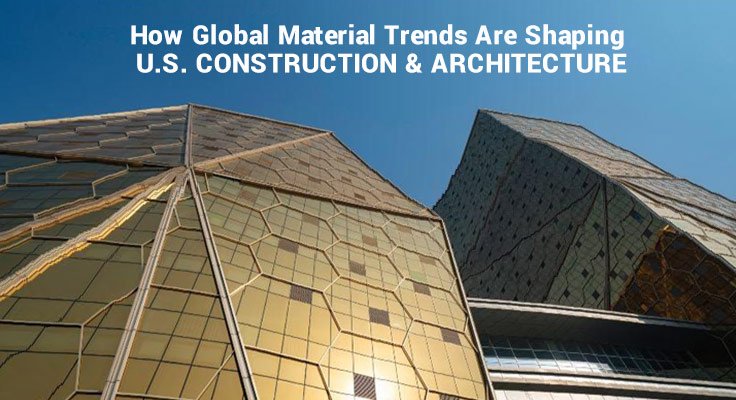
The global construction ecosystem is rapidly evolving due to modern materials, rising sustainability demands, and accelerated urbanization. Among these advancements, Aluminum Composite Panel (ACP Panel) has been one of the most impactful materials influencing architectural transformation worldwide. As countries in Asia, Europe, and the Middle East continue to introduce new design and performance standards, these shifts are beginning to shape expectations in the U.S. market as well.
With American builders increasingly seeking materials offering durability, aesthetic flexibility, and long-term value, global innovations in metal-based façade systems provide essential insights. International progress in manufacturing technology and installation techniques continues to elevate the benchmarks that U.S. professionals aim to achieve.
How Global Material Trends Are Influencing the U.S. Market
1. The Rise of Sustainable Manufacturing
Sustainability goals have pushed many nations to adopt greener production techniques. This shift has encouraged the creation of recyclable cores, eco-friendly coatings, and cleaner fabrication systems. Builders across Europe and Japan already follow advanced environmental protocols, prompting U.S. manufacturers to move in the same direction to meet emerging green-building regulations.
2. Advancements in Fire-Safe Technologies
Safety is another major area reshaping global façade materials. Stricter codes in Australia and the UK have inspired new fire-resistant systems with better stability and smoke-control properties. These improvements are guiding American builders as they prepare for more demanding compliance requirements in high-rise construction.
Two Key Global Trends American Builders Should Follow
A. Modern Aesthetic Innovations
Around the world, MCP products have unlocked a wide range of creative opportunities for architects. Global markets are embracing bold textures, advanced coating effects, and dynamic surface finishes that are now becoming increasingly desirable in the U.S.
Notable design movements include:
• Digital-print applications
• High-gloss and mirror surfaces
• Flexible sheets for curved structures
• Wood- and stone-inspired metal finishes
These trends give American architects new ways to achieve futuristic yet highly durable building envelopes.
B. Weather-Resistant Technologies
In regions exposed to harsh climatic conditions, ACP alternatives have evolved with enhanced weather resistance. These advancements ensure superior performance in environments with intense heat, heavy rain, or strong UV exposure.
Key improvements include:
• UV-resistant coatings
• Moisture-blocking cores
• Greater structural rigidity
• Long-lasting color integrity
Such enhancements are particularly valuable to U.S. regions facing increasing climate-related challenges.
Why Global Trends Matter for U.S. Construction
1. Faster Project Completion
Worldwide, the use of ACP has demonstrated major advantages in speed and ease of installation. Lightweight design and modern mounting solutions allow construction teams to reduce timelines significantly. As U.S. cities continue expanding, global installation techniques can offer substantial time and cost savings.
2. Multi-Sector Versatility
Across international markets, metal composite panel is used in nearly every architectural segment from airports and hospitals to commercial towers and residential complexes. Its adaptability helps builders achieve both functional and visual excellence, giving U.S. developers opportunities to explore broader design possibilities.
How U.S. Builders Can Adopt These Global Practices
As the industry continues evolving, American designers and contractors can strengthen project outcomes by incorporating global insights into their workflows. Selecting the correct grade of Aluminum Composite Panel Products for interior or exterior use remains essential, especially when dealing with compliance-heavy applications such as high-rise façades.
At the same time, collaboration with international manufacturers offering next-generation systems has become a significant advantage. Around the world, producers of Metal Composite Panel (MCP Panel) are introducing new cores, advanced coatings, and high-performance finishes. These improvements are now accessible to U.S. firms that aim to match global standards.
Conclusion
Global innovations in façade and cladding materials are redefining expectations for performance, safety, and design. The U.S. market now has a unique opportunity to adopt these advancements and create buildings that reflect the highest international standards. Whether through the aesthetic versatility of ACP or the structural resilience of MCP, American construction can move toward a future of smarter, greener, and more visually compelling architecture.
By integrating global insights, U.S. builders can deliver structures that are not only modern and efficient but also built for long-term sustainability placing them at the forefront of thoughtful, resilient development.
Are modern cladding materials widely used in U.S. construction?
Yes. Contemporary cladding solutions are commonly used across commercial, residential, and institutional projects due to their durability, sleek appearance, and ability to meet updated building standards.
Do composite panels meet American fire-safety regulations?
Most branded products are designed to comply with U.S. codes such as ASTM, NFPA, and ICC guidelines. It’s important to check certifications and fire-rating levels before final selection.
Why are American architects shifting toward lightweight façade systems?
They offer better design flexibility, easy installation, weather resistance, and long-term performance making them ideal for modern U.S. architecture trends focused on energy efficiency and clean aesthetics.
Are these materials suitable for the diverse climate conditions across the U.S.?
Yes. High-quality panels are engineered to handle extreme heat, freezing temperatures, humidity, and UV exposure, making them reliable across different U.S. regions.
Also Read: How The Latest Holiday Décor Trends Are Shaping Consumer Spending This Holiday Season