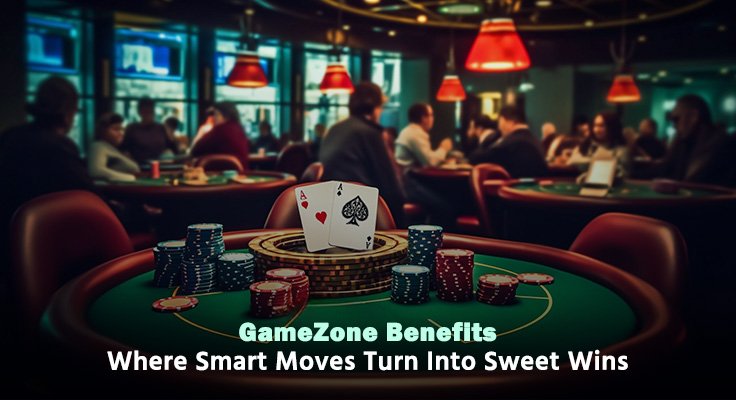
Not long ago, video games were often blamed for distraction, declining attention spans and late nights that stretched into early mornings. That perception has shifted considerably. Contemporary research in cognitive science and behavioural psychology increasingly recognises that gaming, when approached in moderation, can sharpen mental processes rather than diminish them. It engages players in real-time decision-making, pattern recognition and adaptive thinking.
At its core, gameplay is an active mental exercise. Players continuously assess situations, anticipate outcomes and refine strategies based on feedback. Every round introduces new variables, prompting the brain to process information quickly and respond effectively. Over time, this cycle of action and adjustment strengthens cognitive flexibility and problem-solving ability.
This is where the concept of GameZone benefits becomes particularly relevant. The platform encapsulates how structured gaming environments can blend entertainment with cognitive engagement. Each session, whether successful or not, contributes to incremental learning, reinforcing sharper judgement and more confident choices.
Understanding the pull of uncertainty
One of the defining features of engaging gameplay lies in unpredictability. Games that offer entirely predictable outcomes rarely sustain interest. Instead, the appeal stems from uncertainty, the possibility of reward balanced against risk.
Psychologists refer to this dynamic as variable reward reinforcement. In practical terms, it describes how irregular rewards encourage continued engagement. Players remain invested because outcomes are not guaranteed, creating a cycle of anticipation and response.
However, this mechanism extends beyond simple engagement. It encourages players to evaluate risk more carefully, maintain composure under pressure and make informed decisions even when outcomes are unclear. These are transferable cognitive skills, applicable well beyond gaming environments.
GameZone benefits are closely aligned with this principle. The platform’s structure encourages thoughtful interaction rather than passive play, subtly guiding users towards more deliberate and strategic decision-making.
Strategy over impulse
A key distinction in gaming lies between reactive and strategic play. While some formats rely on quick reflexes, others demand forward planning, memory and analysis. Strategy-driven games, including card-based and probability-oriented formats, require players to think beyond immediate actions.
Players begin to consider potential outcomes, weigh alternatives and anticipate opponents’ moves. This process strengthens several cognitive functions simultaneously. Memory improves as patterns and sequences are tracked. Focus sharpens because distraction leads to missed opportunities. Analytical thinking develops as each decision carries measurable consequences.
Over time, these mental habits become more ingrained. Even casual players can experience improvements simply through consistent engagement. This gradual progression highlights one of the more understated GameZone benefits: cognitive development does not require expertise, only participation.
Emotional balance and psychological reward
Gaming’s impact extends beyond cognition into emotional wellbeing. Completing a challenge, achieving a win or even making incremental progress triggers a sense of accomplishment. These experiences stimulate reward pathways in the brain, contributing to positive mood and motivation.
Equally important is the role gaming plays in stress management. Immersive gameplay provides a temporary mental shift away from daily pressures, allowing individuals to reset and refocus. This effect is particularly valuable in fast-paced environments where constant demands can lead to fatigue.
Social interaction also plays a role. Whether through competition or collaboration, gaming fosters connection. Even in solo formats, overcoming challenges can enhance self-confidence and resilience.
GameZone benefits incorporate this balance of engagement and reward. The platform offers a structure where enjoyment and mental stimulation coexist, creating an experience that feels both productive and entertaining.
Practical application of GameZone benefits
The theoretical advantages of gaming are most meaningful when they translate into real-world application. Platforms that successfully integrate cognitive engagement, accessibility and user experience demonstrate how these benefits can be realised.
GameZone represents one such example. It combines familiar gaming formats with contemporary features, creating an environment that is both accessible and engaging. The design encourages users to develop skills progressively while maintaining a sense of enjoyment.
Several factors contribute to its effectiveness. Decision-making plays a central role, requiring players to consider timing, probability and strategy. Reaction speed improves through repeated exposure to dynamic scenarios. Accessibility ensures that users can engage without unnecessary complexity, lowering barriers to entry.
The reward system further reinforces engagement. Wins provide satisfaction, while losses offer opportunities for reflection and improvement. This balance supports continuous learning, a defining characteristic of GameZone benefits.
Simplicity as a design strength
A common challenge in digital gaming platforms is overcomplexity. Excessive features, complicated interfaces and unclear navigation can detract from the user experience. In contrast, streamlined design enhances usability and encourages sustained engagement.
GameZone adopts a more restrained approach. Its interface prioritises clarity, allowing users to focus on gameplay rather than navigation. Familiar elements, inspired by traditional formats, reduce the learning curve and make the platform approachable for a wide audience.
This simplicity does not come at the expense of depth. The gameplay remains engaging and varied, offering sufficient complexity to maintain interest without overwhelming the user. As a result, players can engage for extended periods without experiencing cognitive fatigue.
The accessibility of the platform reinforces the broader appeal of GameZone benefits. By removing unnecessary barriers, it ensures that users can fully engage with the experience and its associated advantages.
Maintaining balance in gameplay
While gaming offers measurable benefits, its effectiveness depends on responsible use. The same mechanisms that drive engagement can lead to overuse if not managed carefully. Establishing boundaries is therefore essential.
Time management plays a critical role. Setting limits ensures that gaming remains a positive activity rather than a disruptive one. Financial discipline is equally important, particularly in environments where rewards are involved.
Viewing gaming as a form of entertainment rather than a primary objective helps maintain perspective. Wins and losses should be understood within the context of the experience rather than as defining outcomes.
Regular breaks are also necessary. Continuous engagement can lead to diminishing returns, whereas periodic rest allows the brain to process information and recover.
When approached with balance, GameZone benefits remain aligned with their intended purpose: enhancing enjoyment while supporting cognitive development.
A changing perception of gaming
The broader perception of gaming continues to evolve. What was once viewed primarily as a leisure activity is increasingly recognised as a tool for cognitive engagement and skill development. This shift reflects both technological advancement and a deeper understanding of how interactive experiences influence the brain.
Platforms that prioritise thoughtful design, user engagement and balanced experiences are at the forefront of this transformation. They demonstrate that gaming can offer more than distraction, providing measurable benefits when used responsibly.
GameZone benefits exemplify this shift. By integrating strategy, accessibility and reward mechanisms, the platform illustrates how gaming can support both enjoyment and mental agility.
Also Read: Table Games 101: Low-Pressure Poker & Blackjack on Sweeps