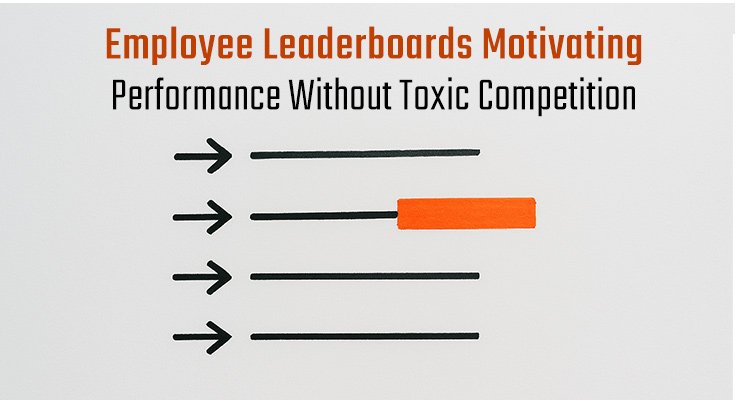
Employee leaderboards can be powerful tools for motivating performance, but it’s crucial to implement them in ways that avoid fostering toxic competition. By focusing on positive reinforcement and collaboration, organizations can enhance productivity and morale without the negative side effects of rivalry.
In today’s competitive business landscape, maintaining employee motivation and engagement is essential. An employee leaderboard can make achievements visible across the organization, boosting individual performance and contributing to a culture of appreciation and teamwork. However, it’s important to ensure that these systems encourage healthy competition without leading to a toxic work environment.
Understanding the benefits of employee leaderboards
Employee leaderboards provide a framework for recognizing accomplishments, enhancing morale and motivation. By making performance visible, they can foster a sense of belonging and pride among employees, encouraging them to excel in their roles. The key is to balance competition with collaboration, ensuring that leaderboards motivate rather than create unhealthy rivalries.
While healthy competition can drive performance, excessive rivalry might lead to a negative work environment. Company leadership should ensure that leaderboards promote team motivation rather than individual competitiveness. Encouraging collaboration through shared goals helps maintain harmony while still pushing for excellence.
Research has shown that well-implemented leaderboards can increase employee engagement by up to 60%. When employees see their progress and achievements publicly acknowledged, it triggers intrinsic motivation and creates a positive feedback loop. This visibility also helps identify top performers who can serve as mentors, creating opportunities for knowledge sharing and skill development across the organization.
Designing leaderboards for positive competition
To design an effective employee leaderboard, it’s important to create structures that encourage healthy competition while promoting collaboration. Integrating gamification elements such as points, badges, or levels can make the experience engaging without leading to unhealthy rivalry.
The criteria for recognition should be transparent and based on objective metrics aligned with organizational goals. Performance transparency ensures fairness and helps prevent perceptions of favoritism or bias. Regularly updating these criteria based on feedback keeps the system dynamic and relevant.
Aligning leaderboards with organizational objectives is vital for meaningful engagement. Leaders should tie recognitions to key performance indicators (KPIs) or Objectives and Key Results (OKRs) that reflect company priorities. This ensures that individual achievements contribute to collective success, reinforcing the importance of each employee’s role in the organization’s growth.
Successful leaderboard design often incorporates multiple achievement categories rather than focusing on a single metric. This approach allows employees with different strengths to shine in their areas of expertise. For example, categories might include customer satisfaction scores, innovation contributions, team collaboration metrics and project completion rates. This multi-dimensional approach ensures that various forms of excellence are recognized and celebrated.
Implementing Leaderboards to Avoid Toxic Competition
Successful implementation of employee leaderboards requires careful planning and execution. Involving employees in the design process ensures the system meets their needs and expectations. Gathering input through surveys or focus groups provides valuable insights into what types of recognition are most meaningful.
Avoiding common pitfalls such as unhealthy rivalry involves setting clear guidelines on what constitutes fair competition. Emphasizing teamwork over individual performance can help mitigate potential conflicts. Additionally, using analytics from HR tech platforms can provide insights into how well the system is working and areas for improvement.
Regularly reviewing and updating the system based on feedback is crucial for its continued effectiveness. This iterative process allows for adjustments that keep the system relevant as organizational goals evolve. By continuously refining these strategies, companies can maintain a culture where recognition feels genuine and impactful.
One effective strategy for maintaining healthy competition is implementing rotation periods for leaderboard rankings. By resetting standings monthly or quarterly, companies prevent the demotivation that can occur when the same individuals consistently dominate the rankings. This approach gives all employees regular opportunities to start fresh and provides multiple chances throughout the year to achieve recognition.
The role of technology in managing leaderboards
Technology plays a crucial role in managing modern employee leaderboards efficiently. Platforms, like the Flaree app, offer tools that streamline the creation and management of engagement programs, allowing companies to automate parts of their recognition processes and ensure timely acknowledgment of achievements.
Integrating technology enhances performance transparency by providing real-time data on employee progress toward goals. This data-driven approach enables leaders to make informed decisions about who deserves recognition based on quantifiable results rather than subjective opinions.
The use of advanced HR tech solutions supports gamification elements within leaderboards. By offering interactive experiences like leaderboards or virtual badges, companies can maintain interest and excitement among employees while tracking their contributions effectively.
Modern leaderboard platforms increasingly incorporate artificial intelligence and machine learning capabilities to identify patterns in employee performance and engagement. These advanced analytics can predict potential burnout, suggest personalized motivation strategies, and automatically adjust challenge levels to maintain optimal engagement. This technological sophistication ensures that leaderboard systems remain dynamic and responsive to employee needs while supporting long-term sustainable performance.
Also Read: 6 Benefits of Investing in Safety Education for Employees