
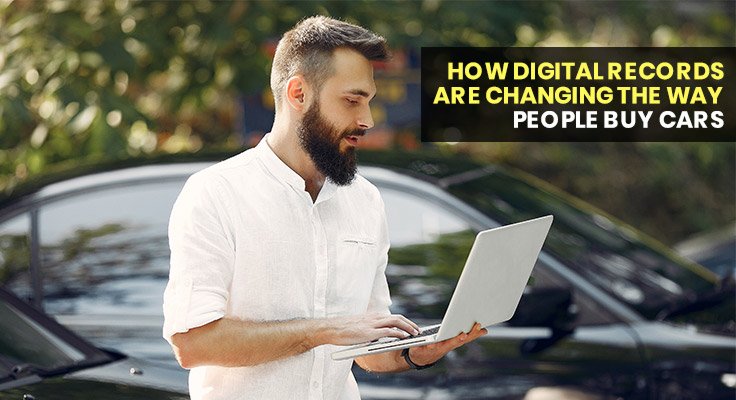
In the past, buying a used car often meant relying on the seller’s word or, at best, a paper trail of service stamps. Today, things are different. The rise of digital records is transforming the car-buying experience, making it not only easier to check mot and tax information but also offering more transparency throughout the process. As digitalisation expands, access to detailed vehicle histories is reshaping both buyer expectations and the used car market itself.
Unprecedented transparency through digital data
Access to digital data has introduced a new era of clarity in the automotive industry. Vehicle maintenance, previous owners, and accident histories used to be challenging to verify. Now, platforms aggregate vast amounts of information in real time, letting potential buyers make informed decisions before ever viewing a car in person. This transparency reduces the risk of hidden problems and helps build trust between buyers and sellers.
Government databases and independent platforms offer detailed vehicle histories that go far beyond basic details. From service records to emission test results, the breadth of available information empowers buyers. As a result, transparency is replacing uncertainty, making the market more competitive for sellers and safer for buyers.
Streamlined buying processes
Digital records are not only streamlining research but also making the entire car-buying journey more efficient. Buyers can view a car’s digital footprint from their mobile device, cross-check details, and even arrange appointments knowing they already have a comprehensive understanding of the vehicle. This pre-screening saves time for both parties and can prevent wasted journeys to view unsuitable cars.
Sellers also benefit as digital records can speed up negotiations. When a vehicle’s history is documented and accessible, fewer questions need to be asked. This can result in quicker decisions and a smoother transaction process. Digital documentation helps limit disputes and accelerates the transfer of ownership, reducing bureaucratic delays that used to be routine in traditional car sales.
Greater consumer confidence and safer transactions
The impact of digital records on consumer confidence cannot be overstated. When buyers have access to MOT history, mileage verification, and recall notices, they can avoid vehicles with hidden issues. This reassurance is particularly important as more people turn to online platforms for car purchases, sometimes from private sellers in other regions or even countries. Knowledge is power, and digital records provide the data to make more confident choices.
Availability of digital vehicle records also contributes to safer transactions overall. Buyers are less likely to fall victim to fraud, such as clocked odometers or undisclosed write-offs. With the ability to confirm details instantly, trust in online sales is growing. This security is fostering a new standard within the industry, raising the bar for transparency and ethical behaviour among sellers.
Shaping the future of the used car market
The shift toward digital records is gradually changing expectations within the used car market. Buyers now anticipate instant access to vehicle histories as standard, leading sellers and platforms to invest in more robust record-keeping systems. Manufacturers and dealer networks are increasingly digitising maintenance and recall records to meet this demand. In turn, transparency is encouraging fairer pricing and fewer disputes.
The car-buying process has evolved significantly in recent years, and digital records are at the forefront of this transformation. With comprehensive data about a vehicle’s past available at the click of a button, both buyers and sellers benefit from increased convenience and security. As technology continues to improve, digital records are likely to play an even greater role in shaping how people buy and sell cars in the future.