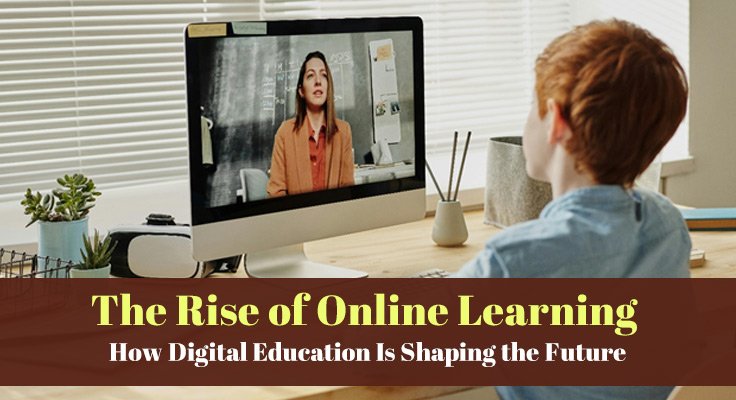
Picture this: you’re sitting at your kitchen table with a fresh cup of coffee, laptop open, and you’re about to log into a class that could change your future. There’s no need to commute, sit in traffic, or rearrange your day to make it to campus. Instead, you can learn at your own pace, pausing when you need a moment to absorb new information and speeding ahead when you’re ready.
That’s the reality for millions of students and professionals who are embracing online education. Over the past decade, digital learning has grown from a niche option to a major part of the education system, and the shift accelerated dramatically during the pandemic, when remote classes became the norm.
Today, online education isn’t just a backup plan. It’s a powerful tool that lets you access quality instruction from almost anywhere, whether you live in a bustling city like Dallas or a small town tucked away in rural Texas. The convenience and flexibility of learning from home have made it possible for more people than ever to gain new skills, advance their careers, and explore fresh opportunities.
Online Learning Is No Longer Optional, It’s Mainstream
What was once considered an alternative option has now become the preferred method of learning for many. Online education has moved far beyond basic webinars and self-paced courses. It’s a full-fledged ecosystem with interactive platforms, live instructors, and community engagement.
Even programs that once required in-person attendance have successfully transitioned online, giving learners more flexibility and control over their schedules. For instance, can you take drivers ed online in Texas? The answer is yes. State-approved programs let you complete lessons online at your own pace and practice driving under the supervision of a parent or instructor. This shift reflects a broader change in education, where convenience and accessibility are becoming just as important as quality.
By offering flexible ways to learn, online education removes barriers that once kept people from pursuing new opportunities. Whether you’re a high school student, a busy professional, or a parent trying to balance work and family, digital learning gives you the freedom to fit education into your life rather than the other way around.
The Benefits of Online Education
One of the biggest advantages of online education is flexibility. You can choose when and where you study, which is ideal if you work full-time, have children, or prefer to learn in shorter, focused sessions rather than sitting in a classroom for hours. This flexibility allows you to customize your learning schedule around your lifestyle, helping you stay consistent without feeling overwhelmed.
Cost is another major factor. Online programs often cost less than traditional in-person classes because they don’t require as many overhead expenses like building maintenance or commuting costs. You also save money on gas, parking, and meals since you’re learning from home.
Another key benefit is personalization. Many online platforms let you pause, rewind, or repeat lessons until you fully understand the material. This approach supports a more individualized learning experience, which can lead to better results. Plus, digital education increases access for people in rural or underserved areas who may not have a local school or training center nearby.
Challenges of Digital Learning
Despite its many advantages, online learning isn’t perfect. One of the biggest challenges is technology access. Not everyone has a reliable internet connection or a quiet space to study, which can make it harder to focus and keep up with coursework.
Staying motivated is another hurdle. Without the structure of a physical classroom, it’s easy to procrastinate or get distracted by daily tasks. Online learning requires discipline and self-management to stay on track.
Digital fatigue can also be an issue, especially if you spend most of your day on a screen for work or leisure. Finding a balance between online study and offline activities is important to avoid burnout. Finally, not all online programs are equal; some may lack accreditation or quality instruction, so you must do your research before enrolling.
The Role of Technology in the Future of Education
Technology is at the heart of online learning’s growth. New tools and innovations are making the experience more engaging than ever. Artificial intelligence, for instance, is helping personalize lessons by recommending content based on your progress and performance. Virtual reality is bringing immersive experiences into the classroom, allowing students to explore everything from historical sites to complex scientific simulations.
Hybrid learning models, which combine online and in-person education, are becoming more common. These programs offer the best of both worlds. The flexibility of online learning with the hands-on experience of face-to-face instruction. Collaboration tools such as interactive whiteboards, group video calls, and online forums are making it easier for students to connect with instructors and classmates, creating a sense of community even in virtual spaces.
Most importantly, technology is breaking down borders. Students can now attend lectures from top universities across the globe without ever leaving their homes. This global accessibility ensures that education is no longer limited by geography.
How Students and Professionals Can Adapt
To get the most out of online learning, it’s important to approach it with a plan. Setting a consistent study schedule can help you stay organized and avoid falling behind. Treat online classes as seriously as you would in-person ones, show up on time, take notes, and stay engaged during lessons.
Participating in online forums or study groups can also make a big difference. Connecting with peers helps you stay motivated and gives you a support system when you have questions or challenges. Choosing the right program is another critical step. Always look for accredited courses and read reviews to ensure you’re investing your time and money in a program that delivers real value.
Finally, remember to take care of yourself. Balance screen time with breaks, exercise, and offline activities to keep your mind fresh and focused.
Online learning is no longer just a backup plan. It’s an essential part of how we learn, grow, and prepare for the future. From academic degrees to practical life skills like driver’s education, the opportunities to learn online are endless.By embracing digital education, you can expand your knowledge, gain valuable skills, and pursue personal and professional growth without sacrificing flexibility. As technology continues to advance, the future of learning will only become more accessible, more interactive, and more exciting. The question isn’t whether online education is here to stay. It’s how you’ll use it to shape your own future.
Also Read: Making Online Learning Easier: Strategies and Support for Success