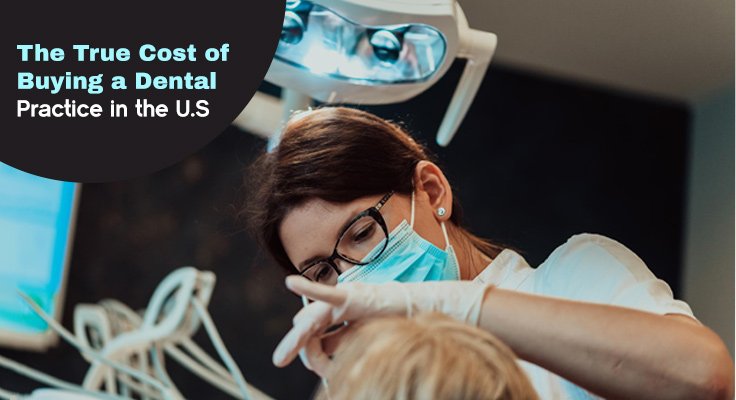
Most people think the hard part of buying a dental practice is negotiating the purchase price. It usually is not. The harder part often begins after the paperwork is signed, when all the smaller expenses start showing up from different directions at once. That is where many first-time owners get caught off guard a little. The cost of buying a dental practice in the United States goes well beyond the amount listed in the sale agreement. Equipment updates, insurance, staffing, technology systems, legal fees, and plain old operating expenses can quietly reshape the financial picture within months. Sometimes weeks. And while some practices transition smoothly, others need far more investment than buyers originally expected. A practice may look profitable on paper but still require a substantial amount of cash just to keep things stable during the first year.
More Than Price
When people talk about buying a dental practice, they usually focus on the valuation itself. The goodwill. Patient base. Equipment. Location. Revenue history. But the actual transition tends to involve a second layer of costs that are less visible during early conversations. Some of the biggest expenses buyers run into include:
- Equipment replacement or modernization
- Technology and software upgrades
- State licensing and permit fees
- Staffing and payroll adjustments
- Insurance coverage
- Working capital reserves
- Legal and broker fees
- Ongoing operational overhead
None of these are especially surprising on their own. The problem is that they often arrive together. A dentist might successfully buy dental office assets from a retiring owner and then immediately discover that the imaging systems are outdated, the software subscription is expiring, and half the chairs need servicing. It happens more often than people admit publicly.
Equipment Reality
Equipment usually becomes one of the first financial shocks after buying a dental practice. Older practices sometimes look fully operational during walkthroughs, but closer inspection reveals aging sterilization systems, worn compressors, unreliable imaging hardware, or treatment chairs that have probably overstayed their useful life by several years. Modern patients notice technology too. They may not know exact specifications, but they notice digital workflows, updated imaging, smoother communication systems, and faster turnaround times. That creates pressure to invest early. A buyer who wants to purchase dental practice assets successfully may end up budgeting for:
- Digital X-ray systems
- Intraoral scanners
- CAD/CAM technology
- Updated sterilization equipment
- Cloud-based patient management software
- Better networking and cybersecurity protection
The costs pile up unevenly. Some practices need only minor upgrades. Others need almost a soft rebuild operationally, although sellers do not always frame it that way during negotiations.
Staffing Costs
Staffing can become complicated very quickly during a transition. In many cases, existing employees expect reassurance about job security and compensation. Some staff members stay. Some leave shortly after ownership changes. Occasionally key employees walk out within the first few months, which creates hiring pressure at exactly the wrong time financially. Payroll itself is already significant. Add benefits, onboarding, payroll taxes, training, and temporary staffing shortages, and the numbers rise fast. When buying a dental practice, buyers often underestimate how expensive continuity really is. Retaining experienced hygienists and front desk staff may require salary increases or retention incentives, especially in competitive markets. And honestly, losing trusted staff can affect patient retention more than equipment issues sometimes do.
Licensing Matters
Licensing expenses are not the largest part of buying a dental practice, but they are unavoidable and occasionally frustrating because every state handles things a little differently. Buyers may need to pay for:
- Dental license transfers
- DEA registrations
- Local permits
- Compliance inspections
- Business entity filings
- Credentialing updates with insurers
None of this usually breaks a budget individually. Together though, especially combined with legal documentation and professional consulting fees, it becomes another noticeable layer added to the acquisition cost. People rarely mention these costs when casually discussing how to buy dental office operations. They still matter.
Insurance and Cash Flow
Insurance tends to become real only after ownership officially changes hands. A new owner generally needs malpractice coverage, property insurance, general liability coverage, workers’ compensation policies, and in some cases cyber liability protection too. Dental practices rely heavily on digital patient records now, which adds another category of risk many smaller practices ignored years ago. Premiums vary by state and practice size, but they are rarely insignificant. Then there is working capital. Probably one of the least glamorous but most important parts of buying a dental practice. Even profitable practices can experience temporary cash flow dips during ownership transitions. Insurance reimbursements may slow down. Patient scheduling may fluctuate. Some patients leave quietly during the adjustment period. That means buyers need cash reserves available immediately after closing, not eventually. A practice can look healthy and still feel financially tight for several months.
Closing Expenses
Closing costs deserve more attention than they usually receive. When buyers purchase dental practice agreements, additional expenses often include attorney fees, CPA reviews, loan origination charges, broker commissions, escrow services, and transfer taxes. Depending on the deal structure, these costs can add thousands or tens of thousands to the overall investment. It is one reason buyers sometimes underestimate the real amount needed upfront. The dental financing may technically cover the acquisition itself, but not always every related expense surrounding the deal. That distinction becomes very important near closing.
Daily Operations
After buying a dental practice, the monthly operating expenses become the new normal almost immediately. Utilities, software subscriptions, supply orders, marketing campaigns, rent or mortgage payments, equipment maintenance contracts, lab fees, they continue whether patient flow is strong or slow. Some owners discover that older practices operate with surprisingly inefficient systems. High supply waste. Poor scheduling practices. Overlapping software subscriptions nobody canceled years ago. Small leaks financially. But steady ones. And while profitability can absolutely improve over time, especially with operational upgrades, the early months after acquisition usually involve more spending than many buyers expect.
Looking Beyond the Deal
Buying a practice is partly a financial transaction and partly an operational transition. That second part matters more than people think. Anyone planning on buying a dental practice should review not just revenue numbers but also equipment condition, staff stability, patient retention patterns, lease agreements, and technology infrastructure before finalizing a deal. The practice price alone does not tell the full story. It rarely does. A lower-priced acquisition may eventually cost far more than a slightly more expensive practice that already has modern systems, reliable staff, and stable workflows in place.
Conclusion
The true cost of buying a dental practice in the U.S. extends well beyond the initial sale price. Equipment upgrades, staffing expenses, licensing fees, insurance policies, working capital, and ongoing operational costs all shape the financial reality of ownership after closing. Anyone preparing for buying a dental practice should approach the process with realistic expectations and careful due diligence. The practices that transition most smoothly are usually the ones where buyers planned for the hidden costs early, instead of discovering them one invoice at a time after the deal was already done.