
Missing teeth can do more than ruin a smile – they also hinder mastication, cause speech impediments, and permit adjacent teeth to migrate. Implants offer a valuable alternative for replacing absent teeth, with a long-term horizon. Knowing the basics of implants, candidates for which they are advised, and the steps involved can greatly facilitate one’s decisions on addressing the gaps in that smile.
Before undergoing the treatment, however, familiarize oneself with information on the procedure and potential patient concerns. Hughson Dental Implants offers helpful insight and information on restoring that smile. The more one learns, the more likely he/she is to avoid misunderstandings during the consultation.
What Are Dental Implants?
Dentists recommend implants as an ideal option for individuals suffering from the long-term consequences of tooth loss and those wishing to restore their ability to chew. Implants are titanium screws with a special coating that are surgically placed into the jawbone to serve as permanent tooth anchors.
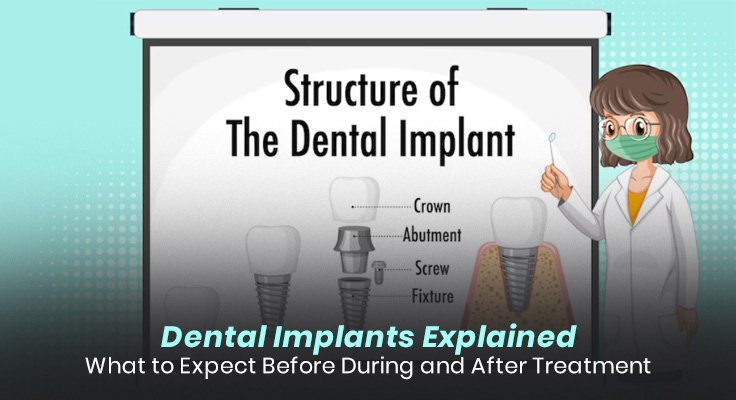
They can replace missing anterior teeth, posterior ones, or entire sets of teeth, depending on the patient’s needs and the condition of his/her oral cavity. Unlike conventional removable prostheses, the teeth connected to the implants stay fixed and can only be removed by a specialist. A dental implant system comprises three components – an anchoring screw that is cemented in the jaw, a connector that is fastened to the screw, and a crown that serves as an artificial tooth.
Who Is a Candidate for Implants?
The best implant-supported teeth are produced when a candidate receives timely care, adheres to post-operative instructions, and carefully maintains the restoration. These conservative measures enhance the likelihood of healing after the surgery and prolonged service of the implant. However, not every patient is suited to receive the prosthetic teeth immediately after the removal of the affected ones. Thus, a specialist examines a patient’s oral cavity, determines whether the current condition of the gums, teeth, and jawbone permits the installation of an implant and advises accordingly.
Healthy Gums
The presence of healthy gum tissues enhances the likelihood of implant success because they can withstand the stresses of the healing phase once the surgical site becomes inflamed or infected.
Individuals with a history of periodontitis still may be good candidates for receiving them; however, they may require a more thorough inspection of their periodontium and longer recovery period after the procedure.
Sufficient Bone
The dentist evaluates how much bone is present to ensure that it is enough to accommodate the implant screw securely and that it is of adequate density. If the patient has had a missing tooth for a long time, the bone tissue may not be present in sufficient quantity.
In such a case, a bone graft becomes the next alternative that the oral surgeon will suggest.
Absence of Conditions That Hinder the Surgical Healing
Some health issues and medications interfere with the clotting mechanism of the blood, increasing the likelihood of developing complications after the implant surgery. Thus, it is essential for the patient to inform the dentist of any chronic conditions in his/her history, such as diabetes. In addition, implant therapy does not tolerate tobacco use; cigarette smoking can considerably prolong the healing phase and impede the formation of new bone tissues. It is critical to inform your dentist of all medication that you are receiving, as well as tobacco and alcohol use.
The Process of Dental Implant Placement
The implementation of this form of dental restoration usually is not completed in one visit, especially in cases when there are few teeth missing and additional bone grafts to be installed. Its exact nature of the procedure depends on the status of the patient’s oral cavity, the number and location of the missing teeth, and individual considerations.
It comprises a series of phases:
Consultation
The dentist completes an initial examination and scans to evaluate the oral cavity in order to design a personalized treatment plan.
During this phase, patients also ask questions regarding whether implants are suitable for their situation, costs associated with the surgery, approximate recovery, etc.
Commonly raised concerns are:
- 1) How many implants are needed?
- 2) Will a bone graft be required?
- 3) What type of prostheses is necessary?
- 4) How long will the treatment last?
- 5) Will any special maintenance be required?
Surgeon’s Visit: Determining the Condition of the Oral Cavity and Completing the Procedure
During the implant surgery, the dentist first analyzes the patient’s oral cavity before completing it. One of his/her responsibilities is to make sure that all adjacent teeth, jaws, and gums are healthy because they are the primary healing surfaces. Usually, dentists complete x-rays of the jaw area to scrutinize if the bone is appropriate to accommodate the titanium post.
After the location for the implant is determined, a local anesthetic is administered to numb the oral cavity. Then, using special tools, a small incision at the surgery site is performed, and the implant is placed. Throughout the procedure, the dentist answers a patient’s questions. The patient cannot feel any sensations after the local anesthetic wears off; should there be other discomfort, he/she must inform the dentist.
Recovery Process
During recovery, a patient maintains light nutrition, avoids placing pressure on the healing implants, and receives advice on caring for the surgical site. The dentist recommends medications that may reduce some swelling or pain and advises against exerting pressure on the incision to assist its healing. Implants require a few months of osseointegration – a process wherein the jawbone fuses with the titanium post to create a stable foundation for a new tooth.
Throughout the healing phase, a temporary crown may be installed until the abutment is attached.
Restoration
Once the healing process is completed, the dentist performs another set of tests to determine if the implant is stable and to ascertain it is the right time to proceed. At this point, he/she connects the abutment (the linking element) to the implant and installs a temporary or final restoration. The dentist will adjust the restoration to enhance patient comfort and ensure that chewing, speaking, and aesthetic appeal are accomplished.
Maintenance
Proper aftercare practices prevent the emergence of periodontitis around the implanted tooth and subsequent inflammation of the gums. Additionally, brushing teeth twice a day and using antiseptic mouth rinse help the patient prevent oral diseases. They are crucial during the first year after implant placement.
Depending on the dentist’s recommendations, patients with multiple units or removable prostheses that require special cleaning may need additional oral hygiene aids.
Visits to the dentist also are necessary, as regular examinations allow for the prevention and early detection of complications.
Avoiding Habits That Could Harm Teeth
Chewing hard substances, grinding or clenching teeth, smoking, or consuming hard foods and alcoholic beverages can cause cracks and fractures of the restored dental unit and increase the chance of developing gingivitis. The dentist may prescribe additional medications that reduce swelling, pain, etc. If the patient is concerned about a sudden swelling, discomfort around the implant site, mobility of the prosthetic tooth, etc., they are advised to contact their dentist to examine whether an implant-supported restoration is failing and, if so, manage that condition.
Limitations and Success Rates of Dental Implants
Dental implants are a highly successful surgical procedure with an almost 98% success rate under standard conditions. Nevertheless, like any other treatment, they present possible side effects and limitations for candidates. For instance, if the bone density in the patient’s jaw is insufficient to accommodate an implant, its placement will not be viable, and an additional bone graft from a healthy side of the mouth is required to reinforce the compromised one. A prolonged healing period or poor-quality osseointegration also could be the result of a periodontitis, illness, drug interactions, or anatomic irregularities.
Additionally, implants provide limited functional and aesthetic benefits over other prosthetic options in some cases, such as single tooth loss. In addition, the long-term survival of these dental units depends on the health of surrounding soft tissues, so they need to undergo special oral hygiene measures after their installation. It is necessary to understand that an entire treatment course, which comprises all preparatory and corrective measures, could be time-consuming and expensive. The patient will discuss these limitations with his/her dentist to ensure a comprehensive understanding of how the implants will improve one’s quality of life.
How Long Do They Last?
Implant systems have titanium alloy screws that can remain in place for decades if osseointegration is complete. Although they rarely require additional treatment, prosthetic crowns or other structures may need to be replaced or repaired. Their longevity is affected by a range of factors, from lifestyle and oral hygiene practices to the development of periodontitis and poor bite alignment. There is no definitive answer regarding how long they last because each individual’s clinical and patient history and the unique dynamics between him/her and dentist’s care contribute to that value.
In conclusion, implants help individuals restore their ability to chew and replace missing teeth with durable dental prostheses. A better understanding of them, eligibility, post-surgery regimen, and general upkeep will assist the patient in finding the most appropriate method of replacing absent teeth. The first and foremost step consists in scheduling a consultation with a qualified dental specialist who completes a personalized comprehensive evaluation.