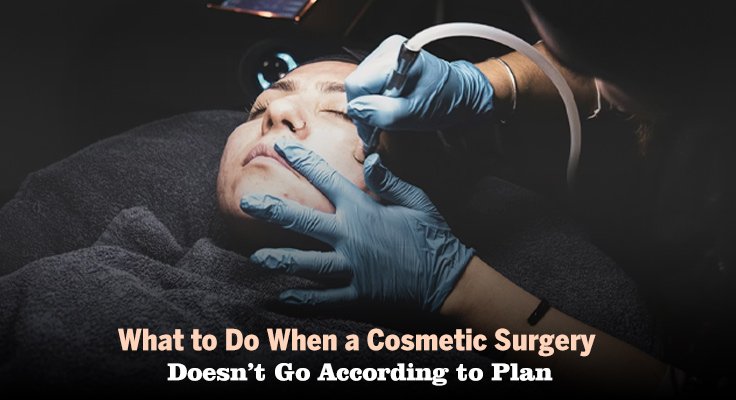
For a lot of people, going under the knife for cosmetic reasons is a deeply personal decision. It comes with a whole lot of hope and a very clear picture of what they’re expecting to walk away with. So when the results come back looking nothing like what you had in mind, it can hit hard.
But a bad outcome doesn’t have to be the end of the story. There are real, sensible steps you can take to get a handle on the situation and start moving toward a result you’re actually happy with.
Be it through a revision rhinoplasty or through seeking a second opinion, there’s a lot you can do. All this may take patience, but it often leads to better outcomes over time.
Let’s walk through a few things you can do if your cosmetic surgery does not go according to plan.
Give Yourself Time to Heal and Process
Right after surgery, your body is still healing and adjusting to the changes. Swelling, bruising, and discomfort can temporarily affect how the results look and feel. It is important to remember that early results rarely reflect the final outcome. Your body needs time to settle before you can fairly evaluate the procedure.
At the same time, give yourself space to process your emotions. Feeling disappointed or anxious does not mean something has gone terribly wrong. It simply means you had expectations that were not immediately met. Try to avoid making quick decisions during this stage, because patience often reveals improvements you could not see earlier.
Communicate Openly with Your Surgeon
Cosmetic procedures are becoming way more common than you think. In 2024 alone, nearly 38 million surgical and non-surgical cosmetic procedures were performed globally, according to Statista data. By 2032, the global market value for surgical cosmetic treatments is projected to exceed $108 billion.
Right now, the aesthetic industry is experiencing robust growth. This, of course, also means that the chances of mistakes in aesthetic procedures are likely to increase. However, rest assured that the surgeon who performed the procedure will always be there to help.
A good professional will listen carefully and take your concerns seriously without dismissing them. Clear communication helps both sides understand what went wrong and what can be done next.
During your follow-up appointment, explain your concerns in simple and direct language. Ask questions about what is normal and what might need attention later. This conversation can provide reassurance or clarify whether further steps are needed. In many cases, surgeons are willing to help correct or improve the outcome.
Consider the Option of Corrective Surgery
If your results remain unsatisfactory after healing, corrective surgery may be an option worth exploring. This type of procedure is designed to improve or fix issues from the initial surgery. It requires careful planning and should only be considered after your body has fully recovered.
For example, secondary rhinoplasty is often needed when a nose job does not meet expectations. According to Shah Aesthetic Surgery, the revision surgery can address both cosmetic and functional concerns effectively. A skilled revision rhinoplasty surgeon or revision rhinoplasty specialist can evaluate your situation carefully.
Corrective procedures can be more complex than the original surgery, so choosing the right professional matters greatly. You will want someone with proven experience in handling revision cases. Take your time researching and asking detailed questions before committing to another procedure.
Seek a Second Opinion from Another Expert
Sometimes, it helps to hear another professional perspective on your situation. A second opinion can confirm whether your results are within normal expectations or require correction. It can also introduce options that your original surgeon may not have mentioned.
Talent reports that on average, a cosmetic consultant in the US earns around $98,500 a year. That means consultants might charge you around $50 per hour or session. Hence, seeking a second opinion might seem expensive, but it’s worth it.
When seeking another opinion, choose a qualified and experienced specialist in the specific procedure you had. Bring your medical records, photos, and any relevant information to the consultation. This allows the new expert to assess your case accurately and suggest realistic next steps.
Take Care of Your Mental and Emotional Health
Dealing with an unexpected cosmetic outcome can take a toll on your mental well-being. It is easy to become overly focused on perceived flaws and feel self-conscious in social situations. These feelings are understandable, but they should not be ignored or pushed aside.
Talking to someone you trust can make a big difference during this time. This could be a close friend, a family member, or even a counselor. Sharing your thoughts helps you gain perspective and reduces emotional stress.
Note that research from the Journal of Plastic, Reconstructive & Aesthetic Surgery suggests that very few studies explored outcomes of cosmetic procedures beyond six months. In some cases, body-specific satisfaction and self-esteem do improve in the short term. However, data regarding mental health and long-term effects are lacking.
Therefore, you need to be very responsible regarding your mental well-being following the surgery. Consult a professional, as emotional well-being can vary from person to person.
FAQs
What makes cosmetic procedures so expensive?
Cosmetic procedures cost a lot due to several factors. Surgeons need years of specialized training. Operating rooms require expensive equipment and sterile conditions. Anesthesia adds a high cost. Post-op care, follow-ups, and medical-grade materials all contribute. Malpractice insurance for surgeons is also extremely high.
Why do cosmetic procedures often go wrong?
Many procedures go wrong due to unqualified practitioners cutting costs. Patients sometimes choose cheaper, unlicensed providers. Poor aftercare worsens outcomes significantly. Unrealistic expectations also play a role. Individual healing varies unpredictably. Some complications are unavoidable, even with skilled surgeons and proper medical-grade facilities.
How does corrective cosmetic surgery actually work?
Corrective surgery addresses damage from previous procedures. Surgeons assess scar tissue, asymmetry, or implant issues first. They then reconstruct or remove problematic work carefully. It often requires multiple staged procedures. Recovery is longer than the original surgery. Results depend heavily on how much damage was done previously.
When cosmetic surgery does not go as planned, it can feel like your expectations have been turned upside down. However, this situation does not have to define your experience or your confidence.
Whether through corrective procedures or emotional support, there are ways to move forward positively. In the end, you still have control over your journey, and better results are often within reach.