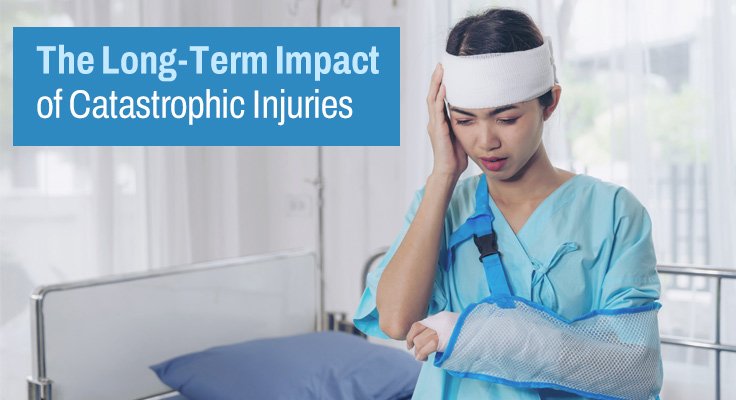
Catastrophic injuries, like traumatic brain injuries (TBIs), affect around three million people in the U.S. each year, according to the Brain Injury Association. And these injuries bring lasting effects to the victims. They may suffer physical limitations, emotional challenges, and financial burdens that extend to their families. Commonly, they are caused by falls, sports injuries, road accidents, and military incidents.
But if these injuries are caused by someone else’s negligence or wrongdoing, victims are entitled to file a claim for damages, says a catastrophic injury lawyer in Ascension Parish. A lawyer can help you seek cover for your medical expenses and basic needs.
Here are the long-term impacts of catastrophic injuries that you may have to face and how to get through this situation.
Understanding Catastrophic Injuries: Types and Causes
Some catastrophic injuries are often associated with accidents, falls, or intentional actions. These injuries may result in traumatic brain injury, spinal cord injury, or multiple fractures.
So terribly changing a person’s life, with the greatest impacts felt not only by the individual but also by loved ones. It is important to remember that any of these injuries can happen to anyone, and the challenges that ensue in accounting for emotional and financial hardships.
Often these could lead to empathy and support from our community members so that those affected by the injured are given a hand. With the help and compassion from the community, there is an assurance that you would not be alone throughout your recovery process.
The Physical Effects of Catastrophic Injuries
Catastrophic injuries can result in severe damage to one’s life. Beyond physical limitations, victims often endure constant pain and partial disabilities that make even simple daily activities—like dressing, cooking, or walking—challenging and exhausting.
As the body gradually adapts, victims may need to rely on assistive technology or accept help from others. Fatigue and loss of strength can make basic movements highly painful, further impacting independence and quality of life.
These challenges can also strain personal relationships, making support from family, community, or rehabilitation programs essential for recovery and regaining a sense of normalcy.
When dealing with the legal side, it’s important to be aware of common mistakes to avoid in North Carolina personal injury claims and in other states. Mistakes such as missing filing deadlines, failing to document injuries properly, speaking to insurance adjusters without legal guidance, or settling too quickly can seriously reduce the compensation you receive.
Understanding these pitfalls allows victims to focus on recovery while ensuring their rights are fully protected throughout the claims process.
Emotional and Psychological Consequences
Emotional and psychological consequences of catastrophic injuries are every bit as profound as physical consequences. You might feel fear, anger or grief as you face this ordeal. You may even isolate yourself from those who are trying to show concern towards your well-being.
Being injured can make you feel distressed about your future. A barrier builds up that makes it hard to connect meaningfully or even share love with friends or family since expressing one’s situation fully will be quite challenging to them.
This dissociation can undoubtedly lead to feelings of loneliness. And during this period, fighting against this isolation should be the best solution. Try to reach out to support groups or professionals in this field who can give you a sense of connection.
Financial Burdens and Economic Impact
The financial burdens that result in a catastrophic event are indeed overwhelming. Mounting medical bills start flowing while, at the same time, your normally routine expenses continue accumulating as well. Even paying off something does not mean it has ended; instead, there might already be some new bills that only escalate stress and frustration!
But they go far beyond hospital stays and surgeries. Now we are looking at long-term therapies, medications, and house alterations. Money problems get tougher and make it impossible for you to continue the former lifestyle or support your family.
You are not alone at these times. Many people on the way to resolving these challenges share a lot of help and understanding from people who have themselves passed through similar situations.
Realizing these economic factors and finding ways to manage them will allow you to focus more on healing and less on always worrying about money.
Support Systems and Resources for Recovery
While going through such an important phase of a life-altering injury, trust me when I say having a solid support system is all you’ll ever need.
Accepting the mental comfort and physical help one’s friends, family, and society provide can further motivate one through encouraging words, listening intently in times of fear, and celebrating even small victories.
Do not forget about professional outlets. Physical therapies and treatment should be administered. Support groups or psychologists can offer guidance to take care of your mental well-being.
Just a simple connection to others can make you feel a sense of belonging that can guide you to recovery.
Also Read: Rideshare Injuries in Sacramento: From Medical Care to Settlement