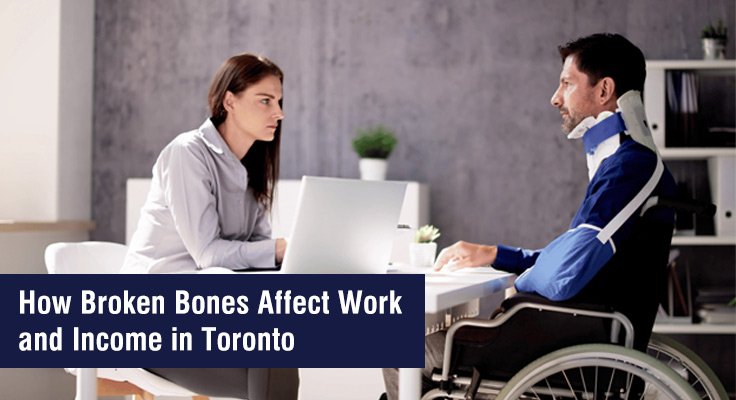
A broken bone might sound like a straightforward injury—painful, inconvenient, but temporary. In reality, for many people in Toronto, a fracture can have serious and long-lasting effects on their ability to work and earn an income. Whether the injury comes from a car accident, a slip and fall, a workplace incident, or a pedestrian collision, broken bones often disrupt far more than just daily routines.
When you live in a city like Toronto, where the cost of living is high and work moves fast, even a short break from earning can quickly turn stressful. Let’s look at how broken bones impact work and income, and how a Broken Bone & Fracture Claims Lawyer may be able to help.
Why Broken Bones Can Be More Serious Than They Appear
Not all fractures heal the same way. While some minor breaks may heal in weeks, others can take months and may never fully return to normal. Factors such as age, overall health, the type of fracture, and whether surgery is required all influence recovery time.
Common fracture-related complications include:
- Limited mobility or strength
- Chronic pain or stiffness
- Nerve damage
- Delayed healing or improper bone alignment
- Need for surgery, pins, plates, or screws
For many workers in Toronto—especially those in physical, service, or hands-on jobs—these complications can make returning to work difficult or impossible in the short term.
Impact on Different Types of Jobs in Toronto
Physical and Manual Jobs
Construction workers, warehouse staff, delivery drivers, healthcare aides, tradespeople, and cleaners often rely heavily on physical movement, lifting, and endurance. A broken leg, arm, wrist, or back-related fracture can completely prevent someone from doing their job.
Even after returning, many workers face restrictions that limit hours or duties, reducing their income.
Office and Desk Jobs
While office workers may assume a fracture won’t affect their job, broken bones can still create serious challenges. Arm, shoulder, neck, or spinal fractures can make typing, sitting for long periods, or commuting painful and exhausting.
In Toronto, where many people rely on public transit, even getting to work with crutches or a cast can be difficult and unsafe.
Self-Employed and Gig Workers
Freelancers, contractors, rideshare drivers, and gig workers often don’t have paid sick leave or employer disability benefits. A broken bone can mean immediate loss of income, with no safety net.
For these workers, even a short recovery period can lead to missed rent, unpaid bills, and mounting debt.
Lost Income During Recovery
One of the most immediate effects of a broken bone is time away from work. This may include:
- Missed shifts or unpaid leave
- Reduced hours
- Inability to return to the same role
- Delayed promotions or lost contracts
In some cases, people are forced to change careers entirely if their injuries prevent them from returning to their previous line of work.
In Toronto’s high cost-of-living environment, this loss of income can quickly become overwhelming—especially when paired with ongoing medical expenses.
Long-Term Financial Consequences
Even after the bone heals, many people continue to experience:
- Reduced strength or range of motion
- Chronic pain or arthritis
- Increased risk of re-injury
- Difficulty keeping up with physical job demands
These long-term effects can reduce earning capacity over time. Some individuals may need to accept lower-paying roles, part-time work, or modified duties, leading to permanent income loss.
Medical Costs Add to the Financial Pressure
While Ontario’s healthcare system covers many medical services, injured individuals often face out-of-pocket costs, such as:
- Physiotherapy and rehabilitation
- Mobility aids and braces
- Prescription medications
- Transportation to medical appointments
When income is already reduced, these expenses can add another layer of stress.
Legal and Financial Support Options in Toronto
When broken bones result from someone else’s negligence—such as a car accident, unsafe property conditions, or a workplace incident—there may be options to recover compensation for lost income and future earning capacity.
Potential support may include:
- Income replacement benefits
- Compensation for reduced ability to work
- Coverage for ongoing medical and rehabilitation costs
- Compensation for pain and suffering
Many people don’t realize that fractures can form the basis of a serious injury claim, especially when the injury interferes with employment or causes long-term limitations.
Why Documentation Matters
One of the most important steps after a fracture is proper documentation. This includes:
- Medical records and imaging
- Doctor’s notes outlining work restrictions
- Records of missed work and lost income
- Proof of job duties before the injury
In Toronto injury claims, insurers often minimize fractures by calling them “temporary.” Clear documentation helps show the real impact the injury has had on work and income.
Planning Ahead Protects Your Future
If you’ve suffered a broken bone and are struggling to work, planning ahead is critical. Understanding how long your recovery may take, what benefits or compensation may be available, and how your injury affects your long-term earning ability can make a significant difference.
Waiting too long to explore your options can result in missed deadlines and lost financial support.
Read the article: How to Sell Your Law Firm: Key Steps for a Smooth Exit
Final Thoughts
Broken bones are not just painful injuries—they can disrupt careers, reduce income, and create long-term financial uncertainty. In a city like Toronto, where work, commuting, and living expenses are demanding, the impact can be even greater.
If a fracture has affected your ability to work or earn a living, it’s important to understand your rights and options. With the right information and support, you can protect both your recovery and your financial future.