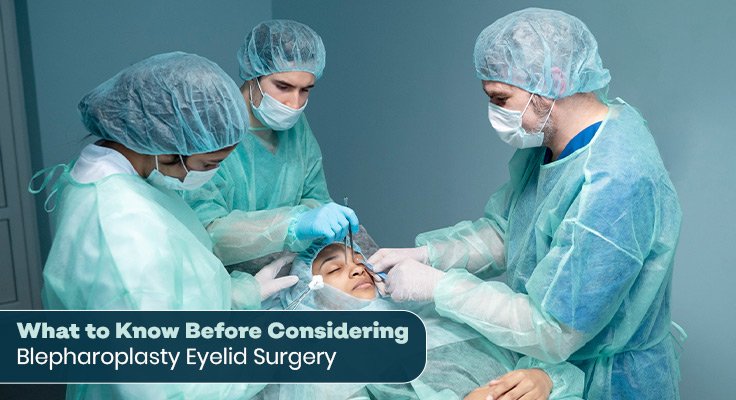
Blepharoplasty can ease heaviness around the eyes, reduce redundant eyelid skin, and improve sightlines in selected patients. It also changes delicate anatomy, so the decision deserves careful review. Good planning starts with symptoms, eye surface health, facial structure, and recovery expectations. Patients make better choices when they understand how upper and lower eyelid surgery differ, where the limits exist, and why precision matters.
Evaluation Matters
The first visit should include eyelid position, brow height, tear quality, skin laxity, and any prior facial procedures. A patient meeting with a blepharoplasty surgeon in Los Angeles may discuss visual obstruction, lower lid bags, fat shifting, and scar placement. That evaluation connects the surgical plan to anatomy, symptoms, and eye safety.
What It Treats
Blepharoplasty treats loose upper-lid folds, bulging lower-lid fat pads, and excess tissue that makes the eyes look strained. Some patients want a more rested expression. Others struggle with skin resting on lashes or narrowing peripheral vision. Treatment may include skin trimming, fat contouring, muscle adjustment, or lid support. The main concern should guide every technical choice.
Upper Eyelid Surgery
Upper blepharoplasty usually addresses skin that hangs over the crease or crowds the lash line. The incision often follows the natural fold, helping the scar mature discreetly. Small amounts of skin, muscle, or fat may be removed. Restraint is important. Taking too much tissue can lead to tight closure, dryness, irritation, or a hollowed appearance.
Lower Eyelid Surgery
Lower blepharoplasty targets puffiness, shadowing, and uneven contour beneath the eye. In some cases, fat is reduced. In others, it is moved to blend the lid-cheek junction. Skin tightening may be added when laxity is present. Lid tone, cheek volume, age, and bone structure all affect the plan. A good result looks calm and balanced.
Candidacy Factors
Strong candidates are usually in good general health and have stable eye conditions. Dry eye, thyroid eye disease, glaucoma, bleeding disorders, and nicotine use require careful review. Medication history also matters, especially blood thinners and supplements that increase bruising. Patients should mention prior surgery, fillers, allergies, abnormal scarring, and healing problems before scheduling any procedure.
Cosmetic And Functional Goals
Cosmetic and functional goals often overlap, but they are measured differently. A patient seeking a fresher look may focus on symmetry, contour, and natural aging patterns. Someone with blocked side vision may need formal visual field testing and documentation. Clear priorities help determine how much tissue should be changed, and which findings should be left alone.
Risks To Discuss
Expected early effects include swelling, bruising, tearing, mild soreness, and temporary light sensitivity. Less common concerns include infection, asymmetry, dry eye symptoms, visible scars, lid malposition, or the need for revision surgery. No procedure is risk-free. Patients should ask how complications are monitored, which symptoms need urgent attention, and how follow-up care is handled after discharge.
Recovery Timeline
Most patients need one to two weeks before returning to routine social plans. Bruising and swelling fade gradually, while fine contour changes may continue for months. Cold compresses, head elevation, and reduced strain can support early healing. Exercise, makeup, contact lenses, and heavy lifting should restart only when the care team confirms that tissues are ready.
Results And Expectations
Results settle as swelling resolves, and the eyelids soften. The eyes may look brighter, smoother, or less weighed down. Surgery does not stop aging, and it will not correct every wrinkle, brow droop, or skin texture concern. Some patients need additional treatment, such as brow lifting or resurfacing, when nearby structures contribute to the concern.
Questions To Ask
Useful questions cover training, eyelid case volume, revision experience, anesthesia, incision design, and recovery instructions. Before-and-after photographs can reveal the surgeon’s usual judgment and style. Patients should also ask what would make a result look too tight or hollow. A thoughtful consultation allows time for review, second thoughts, and a decision made without pressure.
Choosing A Surgeon
Eyelid surgery is performed near the eye, where millimeters matter. Training in eyelid anatomy, eye protection, and facial balance is essential. The surgeon should assess lid position, tear film, brow level, cheek support, and asymmetry. Patients should feel comfortable asking direct questions about risk, expected healing, and how the plan protects both appearance and function.
Conclusion
Blepharoplasty can help patients troubled by heavy upper lids, lower bags, or vision interference from excess skin. The best outcomes begin with a careful examination, realistic goals, and a surgical plan based on anatomy. Credentials, photographs, recovery details, and complication planning all deserve close attention. With informed preparation, eyelid surgery can support a rested appearance while preserving comfort, closure, and natural eye function.