For families raising children on the autism spectrum, everyday milestones like asking for help or brushing teeth can feel like distant goals. That frustration drives many parents to seek structured, evidence-based support. Applied behavior analysis remains one of the most studied and recommended approaches for helping children gain real, usable abilities. Here, we look at how this therapy strengthens both communication and the practical skills children need to thrive.
Breaking Down Communication Barriers
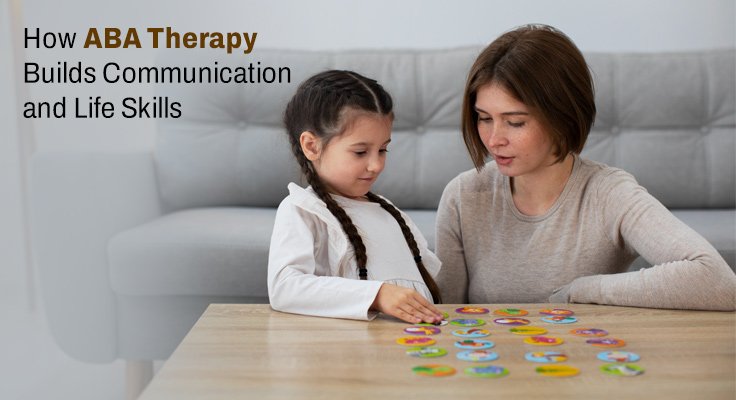
A child who cannot tell a caregiver they are hungry, scared, or in pain faces enormous daily frustration. ABA-based programs tackle this head-on by teaching functional communication through regular, repeatable exercises. Depending on the child’s starting abilities, therapists might rely on verbal prompts, picture exchange systems, or augmentative communication devices.
Early sessions often focus on simple one-word requests, like naming a favorite snack or toy. Practitioners then build toward multi-word phrases, back-and-forth conversation, and non-verbal signals such as eye contact or gesturing. Families exploring Applied Behavior Analysis therapy in Chesterfield can connect with local clinicians who shape these techniques around individual assessments and developmental benchmarks, giving each child a program matched to where they actually are, not where a textbook says they should be.
Using Reinforcement to Shape Behavior
Positive reinforcement is the engine that powers this entire methodology. The moment a child produces a desired response, the therapist delivers a reward: verbal praise, a preferred activity, or a small token. That immediate pairing between action and outcome helps the child connect specific behaviors with favorable results.
With repetition, these connections solidify. A child who once pulled away from greetings may start waving or saying hello without any prompting. Success depends on identifying what genuinely motivates each individual, then applying those motivators with precision across different settings.
Teaching Daily Living Skills
Self-Care Routines
Communication is just one part of the whole. ABA programs also target the practical abilities that lead to greater independence. Brushing teeth, pulling on a shirt, and handwashing are each broken into small, sequenced steps through a process called task analysis. Therapists demonstrate each step, guide the child through practice, and gradually pull back support as confidence builds.
Meal-Related Abilities
Sitting through a full meal, handling utensils correctly, and accepting unfamiliar foods can present real challenges for some children. Practitioners use slow exposure paired with reinforcement to broaden food acceptance and improve table behavior, easing tension for the whole family during mealtimes.
Building Social Skills Through Structured Practice
Successful social interaction asks a lot at once: verbal clarity, emotional awareness, and reading a room. ABA addresses each piece through role-playing, peer modeling, and small group activities that mirror real-life situations.
Children rehearse sharing, waiting their turn, and answering questions in a controlled environment before carrying those abilities into classrooms or birthday parties. Therapists document progress through careful data collection and adjust their approach whenever growth stalls or a setback appears.
The Role of Data in Measuring Progress
What sets this approach apart from many others is its commitment to measurable outcomes. Every session produces data points that therapists review to gauge whether current strategies are working. If a particular technique shows no improvement within a defined window, the clinical team revises the plan.
This transparency matters for families. Parents receive regular updates with concrete evidence of gains, whether that means more words used in a session, fewer instances of challenging behavior, or a new self-care task completed independently. That kind of clarity helps caregivers trust the process and reinforce learned skills at home with confidence.
Collaborating With Families and Educators
Lasting progress rarely happens inside a clinic alone. ABA practitioners routinely coach parents, siblings, and classroom teachers to carry consistent strategies into the child’s full day. This teamwork ensures that abilities practiced during therapy sessions actually show up at school, on the playground, and around the dinner table.
Home-based support might include visual schedules, token boards, or social stories that caregivers use between appointments. Schools can adopt behavior support plans aligned with therapy objectives, keeping the child in a unified structure of encouragement, no matter the setting.
Conclusion
ABA therapy provides a systematic, research-backed pathway for children who need support with communication, social connection, and everyday independence. Its focus on positive reinforcement, personalized planning, and trackable outcomes gives families a reliable foundation for lasting developmental growth. When therapists, parents, and educators commit to working as a team, children gain skills that serve them through school, friendships, and a more self-sufficient daily life.