
The USA Leaders
November 24, 2026
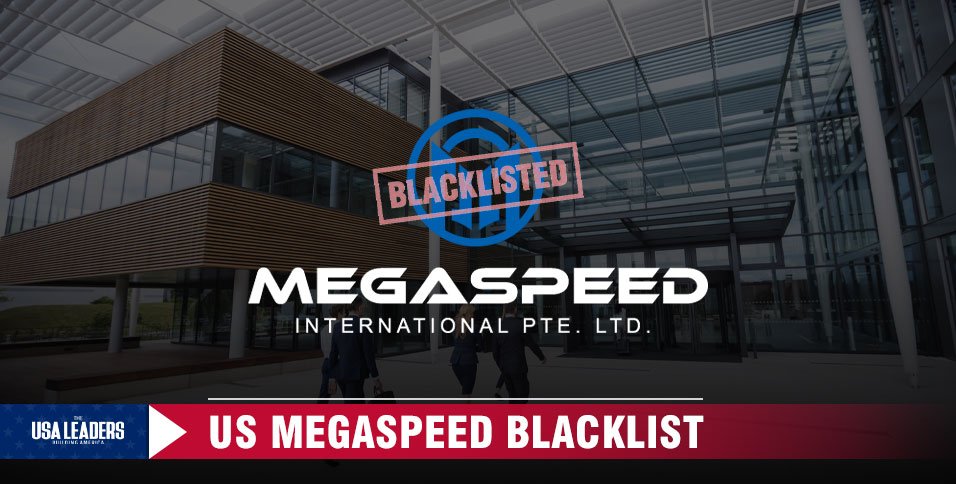
Washington, D.C. – The US government has added Singapore-based Megaspeed International to its trade blacklist, raising questions about how American AI chips are sold and distributed worldwide. The US Megaspeed blacklist could also influence how US technology companies manage overseas partnerships and follow export regulations.
On November 23, the US Department of Commerce added Megaspeed and six related companies to US Entity List. This means they now need government approval to receive certain US-made technologies, including advanced AI chips.
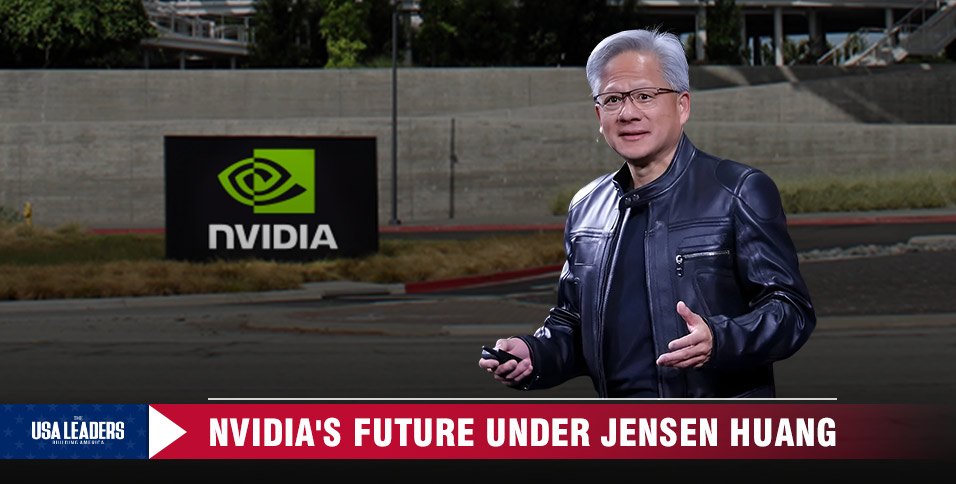
The blacklisting of Megaspeed comes as Nvidia co-founder Jensen Huang has returned as the company’s CEO. Together, these developments put the relationship between AI growth, international trade, and US technology policy in focus.
Why Did the US Add Megaspeed to Its Trade Blacklist?
The US blacklisted Megaspeed after investigating whether it helped send restricted AI chips to China.
Megaspeed has been under US scrutiny since 2024. Authorities have examined whether advanced Nvidia chips supplied through international business arrangements reached Chinese customers despite American export restrictions.
The Commerce Department also added six other companies linked to Megaspeed in Singapore, Malaysia, and Thailand.
The companies named include MSFusion, PT Megaspeed International, Speedmatrix, Apex Enterprise Solutions, Swiftdata, and Megaspeed (Thailand).
US Entity List names companies and organizations that face restrictions on receiving US goods, software, and technology. Companies seeking to export controlled products to listed entities generally need a special license.
For Megaspeed, this means access to certain American technologies will depend on government approval. This matters because Megaspeed runs cloud services that depend on powerful chips.
How Could the US Megaspeed Blacklist Affect Nvidia’s Business?
The US Megaspeed blacklist highlights why chipmakers must carefully manage their international customers, distributors, and cloud computing partners.
Nvidia supplies advanced graphics processing units (GPUs) that power AI systems, data centers, and cloud computing services. Companies that operate these facilities use Nvidia technology to provide computing capacity to businesses developing and running AI applications.
However, international partnerships can involve several companies between a chip manufacturer and the final user.
The international partnerships make customer verification and semiconductor export compliance important parts of technology businesses. Companies must understand who receives their products, where the technology is used, and whether transactions follow applicable export rules.
Nvidia has said it recently formed an export control committee to oversee trade compliance and national security risks.
The need for a control committee highlights how major technology companies may need stronger oversight as their global customer networks expand. It also shows why Nvidia cloud computing partners and other infrastructure providers must pay attention to changing export requirements.
What Do the US Export Rules Mean for the AI Chip Supply Chain?
US export rules can affect international partnerships and the wider AI chip supply chain.
AI infrastructure depends on more than chip manufacturers. It also includes cloud computing companies, data center operators, equipment suppliers, and businesses that rent computing capacity.
When a company is added to the US Entity List, other businesses may need government permission to work with it.
Being added to the US Entity List can affect how companies buy equipment, build data centers, and work with foreign partners.
For example, Cloud providers may need to check their customers and suppliers to make sure they follow US rules. Companies may also rethink where they build AI facilities and which partners they choose.
However, the current decision does not establish that all international AI chip transactions will face new restrictions. The requirements depend on the companies involved and the specific products or technology being transferred.
How Do US AI Chip Export Controls Shape Relations With China?
US AI chip export controls are designed to regulate access to advanced American technology, particularly products considered important to national security.
Advanced GPUs have become essential to developing large AI models, operating data centers, and supporting high-performance computing. This makes their international distribution an important part of US technology and trade policy.
For the United States, export rules are also connected to its broader economic relationship with China. American semiconductor companies operate in a global market, but they must follow restrictions on certain technology transfers.
The Megaspeed blacklist shows how US rules can affect companies in countries like Singapore, Malaysia, and Thailand.
For US businesses, the situation highlights the need to balance international growth with export requirements. For China, limits on access to advanced US chips remain a key issue in its technology ties with the US.
The policy direction could also influence future semiconductor trade decisions and how companies approach overseas partnerships.
What Could The US Megaspeed Blacklist Mean for the US Semiconductor Industry?
The US Megaspeed blacklist puts export compliance and supply chain planning at the center of the US semiconductor industry.
American chipmakers depend on international customers and technology partnerships to serve the growing global demand for AI computing. At the same time, they must understand the rules governing where their products can be sold and used.
The US Megaspeed blacklist may encourage companies across the AI ecosystem to review their customer verification processes, distribution networks, and international business agreements.
There is no immediate change to US technology services or device prices from the decision to blacklist Megaspeed. However, AI infrastructure supports many services used in healthcare, finance, education, and other industries.
Conclusion
The US Megaspeed blacklist highlights the growing connection between technology policy and international business. As demand for AI computing increases, US companies must balance global partnerships with export compliance and national security requirements.
How the government enforces US AI chip export controls will shape the future of chip supplies and the US semiconductor industry.