
Key Takeaways
Plasma plays a vital role in medical treatments, as it contains essential proteins and antibodies required for healing various conditions, such as burn care and hemophilia treatment.
With each plasma donation, profound changes can occur for multiple patients, enhancing their recovery and improving quality of life during surgeries and medical therapies.
Additionally, donating plasma might boost a donor’s immune system by promoting higher production of antibodies and contributing to overall well-being.
Interestingly, plasma donation could help lower blood pressure and enhance cardiovascular health, countering the common belief that it depletes vital resources.
Moreover, several plasma donation centers offer financial compensation, typically between $20 and $50 per visit, acting as an appealing incentive for potential donors.
Through plasma donation, donors have the chance to cultivate a supportive community, fostering friendships and connections among those equally dedicated to helping others.
The donation process itself is quite uncomplicated, featuring pre-screenings, a one-hour donation session, and aftercare to facilitate recovery and replenish energy.
Why Plasma Donation is a Lifesaver for Patients
The Critical Role of Plasma in Medical Treatments
Often dubbed the lifeblood of medical treatments, plasma contains crucial proteins and antibodies indispensable for various therapeutic applications. It also serves as a medium for transporting nutrients, hormones, and waste products within the body. Without sufficient plasma, treatments for numerous conditions may be significantly obstructed.
When professionals discuss plasma donation, they’re referring to a lifesaving process. Plasma constitutes about 55% of blood volume, which makes it a central component in treating burn victims and supporting patients with liver diseases. Moreover, it is crucial for generating clotting factors needed by patients with hemophilia, a serious condition that prevents proper blood clotting.
This collection of proteins and antibodies is essential for treating numerous diseases, including autoimmune disorders and certain types of cancer. The significance of plasma should not be underestimated; the extensive range of medical conditions depending on its availability clearly illustrates its universal importance.
Life-Changing Outcomes for Patients in Need
Whenever someone opts to donate plasma, the potential to change multiple lives is substantial. The effects on patients receiving these transfusions can be incredibly meaningful. Take patients undergoing surgeries, for instance. They often require plasma for transfusions, which play a vital role in ensuring their recovery. It’s not just about saving lives—it’s about improving the quality of life for many others.
A plethora of medical advancements hinges on plasma-derived therapies. Conditions like immune deficiencies and various chronic diseases rely on treatments that only plasma donation can facilitate. This underscores why even a single plasma donation can lead to life-altering results for patients, significantly enhancing their quality of life.
“Every drop counts. Your plasma can bring hope to those battling serious health issues.”
How Plasma Donation Benefits the Donor’s Health
Immunity Boost: How Donating Plasma Can Improve Health
One important aspect that often goes unnoticed is how donating plasma positively impacts the donor’s health. Participating in the plasma donation process has been associated with improved immune system function. By engaging in this activity, donors may experience enhanced immune responses as their body steps up production of antibodies.
Recognizing the need to restore lost plasma, the body ramps up antibody production and creates other vital components essential for fending off illnesses. Regularly donating plasma can help sustain this cycle, potentially resulting in a more resilient immune system over time.
Mitigating Health Risks: What Donors Experience
It’s a common misbelief that plasma donation merely drains the body of essential resources. Research suggests that healthy individuals often experience lower blood pressure and enhanced cardiovascular health after donating. Thus, it’s more than an act of altruism; it represents a broader commitment to personal health.
After donations, donors frequently report feelings of rejuvenation rather than fatigue. The body functions remarkably well, always working to replenish what it loses. Engaging in plasma donation can also illuminate a path towards heightened health awareness, encouraging donors to adopt healthier lifestyle choices.
- Enhanced blood circulation
- Insight into personal health through pre-donation screenings
- Increased awareness of individual health metrics
The Financial and Social Advantages of Donating Plasma
Earning Rewards: Compensation for Your Generosity
Incentives often dominate discussions surrounding plasma donation. While many individuals donate purely out of goodwill, acknowledging that monetary compensation can serve as effective motivation is important. In fact, many plasma centers reward donors with various compensation for their time and contribution, which many find appealing.
This financial incentive can be quite beneficial, as individuals can earn an approximate $20 to $50 for each donation, depending on several factors, including location and donation frequency. Knowing there’s an opportunity to earn extra cash while participating in such a meaningful act might entice more potential donors to join in.
Building Community: Connecting with Fellow Donors
Plasma donation is about more than just the act itself; it’s also about the community that forms around it. Donors frequently discover they are in a nurturing environment. Interacting with like-minded individuals who share a passion for helping others often leads to enduring friendships and a solid support system. This fostered sense of belonging enriches the experience.
Community events focusing on plasma donation are frequently held, promoting awareness and strengthening connections between donors, health professionals, and recipients. Such gatherings illustrate the collective impact of individual efforts, reinforcing the belief that every contribution matters.
- Networking opportunities
- Awareness events to engage the public
- Supportive friendships that develop among donors
What to Expect During the Plasma Donation Process
Working through the Donation Experience: Step-by-Step Guide
If you’ve searched for plasma donate, you may be wondering what the process involves and how to get started. Many potential donors may feel nervous about the donation process, especially those doing it for the first time. Familiarizing oneself with the steps involved can alleviate these worries. Here’s a brief overview:
- Pre-screening: A preliminary screening assesses donor health and eligibility. Simple questions regarding medical history will be asked.
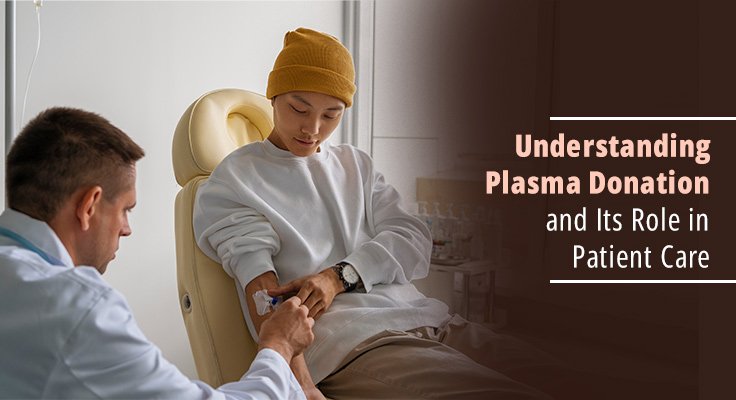
- Donation: Donors will sit comfortably, and blood will be drawn from an arm. Typically, this entire process lasts about an hour.
- Post-donation care: After donating, light snacks and hydration are suggested to help recharge energy levels.
Staying well-hydrated and having a nutritious meal prior to the session is crucial. This helps prime the body for the procedure, ensuring a smooth experience during the withdrawal process.
A Comfortable and Safe Environment for Donors
Ensuring safety and comfort is paramount in plasma donation. Health centers adhere to strict regulations to guarantee that each donation takes place in a sterile, secure setting. Donors can expect a methodically managed environment where qualified professionals supervise the entire process. They are in capable hands, both medically and emotionally.
Grasping the ethos of the facility is essential. Many centers strive diligently to cultivate welcoming atmospheres, greatly enhancing the overall donation experience.
A compassionate staff, attentive care, and modern facilities converge to ensure that every donor feels valued and appreciated.
“A donation of plasma transforms the donor, the recipient, and even the community at large.”
FAQ
How often can someone donate plasma?
Most professionals suggest individuals donate plasma every 28 days. This period gives the body sufficient time to replenish the plasma lost during the donation process, ensuring that donors remain healthy and eligible for future donations.
What happens to the plasma after donation?
After collection, plasma undergoes extensive testing to assure its safety and quality. Following testing, it is processed into various therapeutic products utilized to address diverse conditions, making each donation a critical component of patient care.
Are there any health conditions that disqualify someone from donating plasma?
Indeed, certain health conditions may disqualify individuals from donating. People with infectious diseases, chronic illnesses, or disorders that affect blood volume might not meet eligibility criteria. Each center conducts health screenings to evaluate donor suitability.
Do donors need to sign any consent forms?
Absolutely, prior to donating plasma, individuals are required to sign consent forms. These documents detail the donation process, its implications, and any possible risks involved, ensuring that donors are fully informed before proceeding.
Can regular plasma donation impact weight loss?
While regular plasma donation doesn’t directly result in weight loss, it may inspire healthier lifestyle choices. Many donors become more health-conscious and attentive to their nutrition, potentially leading to improved overall wellness and weight management.
What should donors do to prepare for a plasma donation?
Staying hydrated is vital for a successful donation. Donors should drink ample water and have a nutritious meal beforehand. Additionally, avoiding fatty foods and alcohol in the hours leading up to the donation can help maintain plasma quality.
How is plasma donation different from whole blood donation?
Plasma donation specifically aims to collect the liquid component of blood, while whole blood donation encompasses drawing all components, including red and white cells along with platelets. Plasma donation usually proceeds more quickly, permitting donors to give more frequently.
What varieties of plasma products are derived from donations?
Donations of plasma can lead to several therapeutic products, including immunoglobulins for immunotherapy, clotting factors for hemophilia treatments, and albumin for volume replacement. Each of these products addresses distinct medical requirements, underscoring the importance of donor contributions.