
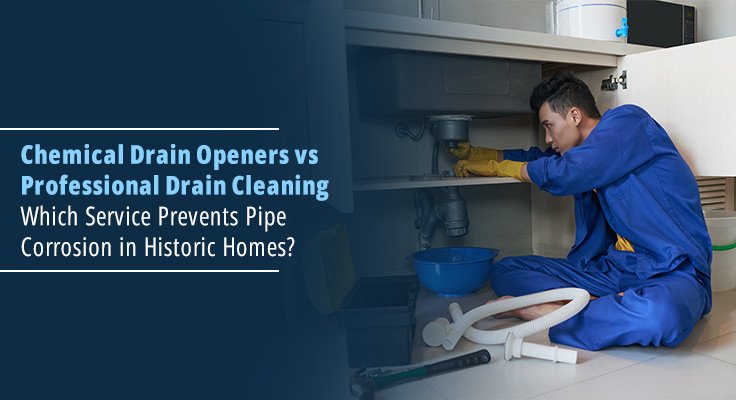
Owners of historic homes often confront the challenge of slow drains or persistent clogs without risking further damage to their property’s original plumbing. Aging pipes found in period properties are frequently made of cast iron, galvanized steel, or even clay—materials that react differently to modern cleaning methods compared to contemporary plastic systems. When a kitchen sink backs up or a bathroom drain gurgles, the decision between grabbing a chemical drain opener from the hardware store or calling a professional service becomes more than a matter of convenience. The wrong approach can accelerate pipe corrosion and undermine the very features that make these homes special. Comparing Professional Drain Cleaning vs chemical drain openers reveals stark differences in their impact on heritage plumbing, especially when long-term preservation is the goal.
Vulnerabilities of Aging Plumbing Materials in Period Properties
Many historic homes feature original cast iron or galvanized steel drain lines, both of which are far more susceptible to internal corrosion than modern PVC pipes. The interior surfaces of these older pipes often already show signs of rust, mineral buildup, or even small cracks. For example, cast iron pipes naturally form a protective layer of iron oxide, but this layer can be easily disrupted by aggressive cleaning agents, exposing fresh metal to moisture and air. Homeowners with these materials should understand that the very age of their plumbing makes them particularly vulnerable to any cleaning technique that introduces caustic substances or mechanical stress.
Unlike new homes, where pipe replacement is relatively straightforward, replacing sections of vintage piping in a historic residence can be invasive and may require special permits to preserve architectural integrity. This complexity increases the importance of choosing a maintenance approach that extends the lifespan of the original plumbing. Understanding how different cleaning products and methods interact with aging materials is a key factor in historic home upkeep, as outlined in preservation guidelines for historic plumbing.
Harsh Chemical Drain Openers Damage Vintage Metal Pipes
Chemical drain openers, often labeled as “liquid clog removers,” rely on caustic ingredients such as sodium hydroxide or sulfuric acid. These substances are designed to break down organic blockages quickly, but they can also attack the pipe walls themselves. In the context of an old cast iron or steel drain, even a single use can strip away protective coatings and leave the metal exposed to rapid rusting. In some cases, repeated use of chemical drain openers has led to pinhole leaks or entire sections of pipe failing prematurely.
Clogs in historic homes often occur because of years of accumulated debris and scale, not just recent hair or grease. Using a chemical opener on these blockages can cause uneven reactions and heat buildup, which may further weaken already thin pipe walls. The risk increases when homeowners use multiple products or mix brands, a practice specifically warned against in many plumbing safety recommendations.
Choosing chemical drain openers as a default solution may seem convenient, but their long-term impact on vintage plumbing is almost always negative. Historic home advocates advise against routine or repeated chemical use, especially in homes that have not undergone recent pipe replacement.
Hydro Jetting and Safe Mechanical Solutions for Heritage Piping
Professional Drain Cleaning services use a range of mechanical and water-based methods to clear blockages without introducing caustic chemicals. Hydro jetting, for instance, involves directing a high-pressure stream of water through the pipes to dislodge debris and flush out buildup. When performed at the correct pressure and by trained technicians, this method can be adjusted to suit fragile or corroded pipes, minimizing the risk of physical damage. Snaking—a mechanical technique that uses a flexible auger—can also be carefully applied to avoid scraping or puncturing old metal pipes.
Many professional services assess the age, material, and condition of the piping before deciding on the method, ensuring that only the safest practices are used for heritage systems. By opting for Professional Drain Cleaning, homeowners gain access to specialized tools and diagnostic equipment, such as video pipe inspection, that help pinpoint problems without guesswork. This approach allows the service provider to tailor the cleaning process to the unique requirements of historic plumbing, reducing the risk of corrosion and extending the lifespan of vintage pipework.
Unlike chemical solutions, these mechanical and water-based methods do not introduce substances that accelerate corrosion, making them the preferred choice for maintaining the integrity of older plumbing systems.
Long Term Pipe Preservation Strategies for Older Residences
Preserving the original plumbing in a historic home requires a proactive approach that goes beyond simply addressing clogs as they arise. Regular inspections using non-invasive techniques, such as video scoping, can identify early signs of corrosion or buildup before they become serious problems. Homeowners should also keep detailed records of any interventions, including the types of cleaning agents or mechanical tools used, to inform future maintenance decisions.
Switching to enzyme-based drain maintenance products provides a gentler way to keep pipes clear of organic buildup without the corrosive effects associated with chemical drain openers. These biological cleaners use natural bacteria to break down debris, posing little threat to metal or clay pipes. In combination with periodic professional assessments and drain cleaning, this strategy enables owners of historic homes to retain their original plumbing systems for as long as possible.
Comparing the long-term effects of Professional Drain Cleaning vs chemical drain openers shows that a measured, low-impact approach is most effective in preventing pipe corrosion and safeguarding the value of period properties.
Conclusion
For owners of historic homes, prioritizing non-caustic, mechanical, or enzyme-based maintenance—supported by periodic professional assessment—offers the best defense against pipe corrosion. Before reaching for a chemical drain opener, consider the type and age of your plumbing and consult a professional for tailored recommendations that respect the integrity of your home’s vintage pipes.