Stress in leadership is not always loud. Sometimes it is a founder eating lunch at their desk while answering investor messages. Sometimes it is a CEO landing late, sleeping badly, then walking straight into a morning meeting. Sometimes it is a manager carrying one difficult conversation into the next three.
For a long time, many leaders treated exercise as something to do after work was finished. The problem is that the work rarely feels finished. That is why fitness habits are changing. More executives are looking for routines that fit into pressure, not routines that only work during quiet weeks.
The Old Routine Breaks Too Easily
A standard gym plan can look good on Monday and fall apart by Wednesday. The meeting ran over. A flight gets delayed. A client’s dinner appears. The evening workout becomes too late, and the morning one disappears because sleep is already short.
That is not always a discipline problem. Sometimes the routine is built for a person with a cleaner calendar.
Leaders are starting to choose a movement that is easier to repeat. A short strength session at home. A walk during a call. A few minutes of mobility before bed. A Pilates or resistance session that does not require driving across town. These are the habits that might seem normal, but have a higher likelihood of sticking around the month.
The goal is not to train like an athlete every day. It is to keep the body from becoming another problem the leader has to manage.
Stress Shows Up In The Body First
Stress is frequently overlooked as a mental problem. In real life, the body usually notices first. The jaw tightens. The shoulders stay high. After sitting for hours, the lower back becomes stiff. Breathing becomes shallow, even after the laptop closes.
That is where movement helps. It gives the body a way to clear some of that pressure before it turns into bad sleep, short temper, or constant tiredness.
That also matches Mayo Clinic’s advice that physical activity can help with stress, even when the routine is simple and not athletic.
Some leaders need a hard session. Others do better with slow resistance, stretching, or controlled strength work. The best choice depends on what the body can actually repeat. If someone’s activity leaves him/her exhausted before a long work session, then this activity may not be helpful, even if it seems impressive.
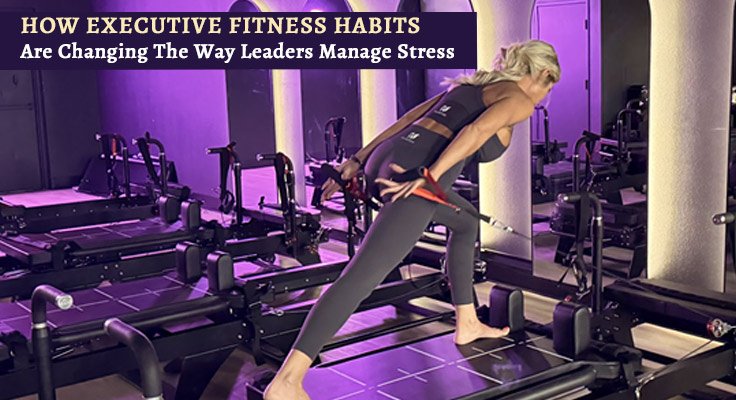
For leaders building a private setup, a controlled Lagree Pilates machine option for executive fitness routines can fit when they want core work, slow resistance, and full-body training without turning the room into a loud gym space.
Boring Habits Often Last Longer
The routines that work for executives are not always interesting to talk about. They are often very plain. Twenty minutes before the first call. A walk after a tense meeting. Ten minutes of stretching after travel. A short session before checking email in the morning.
Even short workouts can count when they happen often. The CDC says adults should get around 150 minutes of moderate activity each week, plus two days of strength work, so a few smaller sessions during a busy week can still matter.
That kind of habit does not need much motivation. It only needs a small opening in the day.
This is where many intense fitness plans fail. They ask for too much time, too much energy, or too perfect a schedule. A leader may follow them for two weeks, then one bad travel week breaks the whole thing.
A simpler routine may not sound exciting, but it is easier to protect. It becomes part of the day instead of another appointment, fighting for space.
Home Setups Remove Small Excuses
Home fitness has become more useful for leaders because it removes friction. There is no commute to the gym. No parking. No waiting for equipment. No class time to match. No need to be social after a day full of people.
That matters more than it sounds. A leader may not have ninety minutes, but they may have twenty-five. A room at home turns that short window into something usable.
It also gives the routine more range. Strength work in the morning. Stretching at night. A few minutes between calls when the day feels crowded. The space does not have to be large, but it has to be ready. If every session starts with moving boxes, finding equipment, or clearing the floor, the habit will not last.
Recovery Is Not A Soft Issue
Old leadership culture praised the person who could keep going on too little sleep and too much pressure. That image is still around, but it is not as convincing anymore. A tired leader may work more hours, but that does not mean they are thinking better.
Fatigue changes how people listen. It changes how they react. It makes small problems feel bigger and difficult decisions feel heavier. No one does their best leadership when their body is always running behind.
This is why recovery is becoming part of performance. Sleep, movement, hydration, breathing, and time away from screens are not separate from leadership. They affect the way a person enters every room.
Fitness helps most when it supports recovery instead of becoming another form of stress. Some days need effort. Some days need slower movement. Knowing the difference is part of staying useful in the long run.
The Image Of Executive Fitness Is Changing
Executive fitness used to be very public. Marathon photos, early gym posts, hard challenges, and big routines became part of the success image. Some of that still exists, but it is not the whole story.
A quieter version is becoming more common. A founder walks during calls because sitting all day makes them restless. A CEO keeps a small training setup at home because studio classes are hard to schedule. A business owner focuses on core and mobility because years of travel have made the back less forgiving.
These are not always habits people post about. They are just the things that help them keep working without feeling worn down all the time.
That feels more honest. Leadership already asks enough from the mind. The body needs some planning, too.
A Better Way To Carry Pressure
Leadership will always bring stress. Some days have late calls, packed calendars, travel, and problems that come at the worst time. That is why fitness should feel doable, not perfect.
Sometimes a leader needs to get more balanced during a heavy week, and can do this by taking a short walk, doing a little stretching, a little strength workout, or by spending a few quiet minutes before the next meeting. Little habits can help them stay calm, clear, and equipped to deal with what comes next, though they may not feel special.