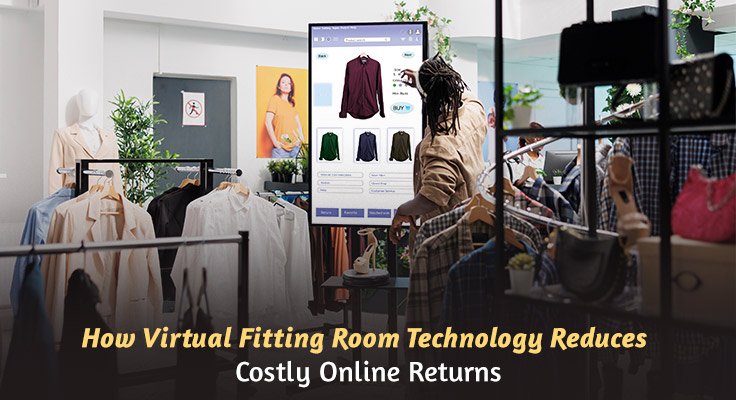
Online apparel returns quietly erode profit through freight, inspection, repackaging, markdowns, and delayed resale. Fit doubt sits at the center of many refunds because shoppers must judge size, proportion, stretch, and drape through a screen. That gap between expectation and reality drives avoidable costs for retailers of every size.
Virtual fitting room technology reduces that uncertainty before checkout. Retailers exploring how the virtual fitting room experience works can help people see how clothing may rest on real body shapes, protecting margin while giving customers calmer, better-informed purchase decisions. The sections below explain where that impact is felt most.
Fit Doubt Drives Returns
A return often begins before the parcel ships. The shopper likes the garment, but sleeve length, waist ease, or shoulder width remains unclear. Static size charts cannot explain fabric recovery or hip placement. That missing context leads to ordering by hope, then refunding after one try-on at home.
Better Visual Context
Retailers can reduce fit anxiety by explaining how the virtual fitting room experience works near product selection, where sizing decisions happen. A useful try-on path compares body measurements, garment dimensions, pose, and fabric response in plain visual terms. That context helps shoppers judge proportion, coverage, and styling before payment, so fewer purchases depend on guesswork or habit.
Lower Reverse Logistics
Each return triggers a chain of costs. A carrier collects the parcel, warehouse teams inspect it, and staff decides whether resale is possible. Some garments need steaming, relabeling, cleaning, or discounting. Virtual try-on can prevent orders that were never likely to fit. Fewer preventable shipments reduce freight waste and labor strain.
Fewer Size Bracketing Orders
Size bracketing feels practical for shoppers, yet federal retail data shows it creates expensive churn for retailers. One person may buy three sizes and keep one. That leaves two units traveling back, often after peak demand has passed. Virtual fitting rooms show relative ease, length, and silhouette before checkout. Better visual guidance can reduce duplicate orders without making customers feel pressured.
More Confident Checkout
Confidence comes from practical answers, not persuasion. A shopper wants to know whether trousers pull at the thigh or whether a coat closes cleanly. Real-time try-on previews address those concerns earlier. The result is not perfect certainty, since comfort still matters. Still, a clearer view supports decisions that match actual need.
Cleaner Product Data
Virtual fitting sessions create signals that ordinary product pages miss. Retailers can see where shoppers change sizes, abandon a garment, or compare nearby styles. Those patterns point to unclear photography, weak fit notes, or sizing inconsistency. Better evidence helps teams improve listings, measurement guidance, and assortment choices before confusion becomes another return label.
Stronger Inventory Protection
Returned apparel loses value quickly. Seasonal goods may sit in transit while demand fades. Delicate items can arrive wrinkled, stained, or missing original packaging. When virtual fitting rooms reduce avoidable purchases, more stock stays available for full-price sale. Merchandising teams also gain a cleaner view of inventory that can actually be sold.
Better Fit Education
A strong fitting experience teaches shoppers how garments interact with their own proportions. It can show why a structured blazer sits differently from a soft knit. Length, volume, and layering become easier to judge. Over time, that guidance builds better selection habits. Customers learn what fits well, which can reduce repeat refund behavior.
Helpful for Stores Too
Virtual fitting rooms also support physical retail. Smart mirrors, event displays, and assisted styling stations can help shoppers test more looks with less waiting. Store teams gain a clear visual aid for explaining fit, especially during busy hours. Customers still receive human help, but staff can guide choices with stronger evidence.
Returns Are Still Managed
No fitting tool removes every return. Fabric feel, skin sensitivity, movement, occasion needs, and personal preference still affect satisfaction. The practical goal is fewer avoidable mistakes. Retailers should pair virtual fitting with accurate measurements, honest copy, clear photography, simple exchanges, and fair policies. Together, these measures make buying less uncertain.
Conclusion
Virtual fitting room technology reduces costly online returns by improving fit judgment before an order leaves the warehouse. Shoppers can assess size, shape, coverage, and styling with clearer visual evidence. Retailers benefit from lower logistics costs, cleaner product data, stronger stock control, and steadier customer trust. As apparel margins tighten, fit guidance becomes a practical operating tool. Its value is strongest when paired with accurate product information.