Key Takeaways
- Older adults are increasingly adopting technology to improve their daily lives.
- Smart home devices and health monitoring systems enhance safety and well-being.
- Digital tools facilitate social connections, reducing isolation among seniors.
- Caregivers benefit from technology that helps manage responsibilities.
Table of Contents
- Rising Tech Adoption Among Older Adults
- Smart Home Devices Enhancing Safety
- Health Monitoring Systems Promoting Well-being
- Digital Tools Fostering Social Connections
- Technology Aiding Caregivers
- Overcoming Barriers to Tech Adoption
- Future Trends in Technology for Seniors
- Conclusion
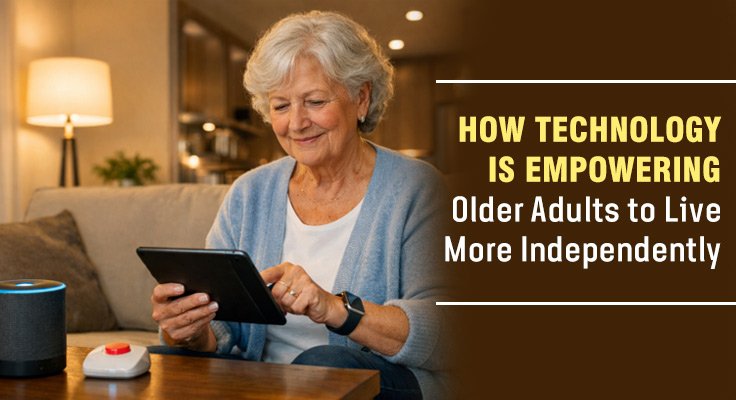
Technology is revolutionizing the way older adults navigate daily life, making it easier for them to maintain independence and enjoy a safer, more connected lifestyle. From voice-activated assistants that control lighting to health trackers that provide real-time updates, seniors today have access to digital tools designed just for them. For example, an alert button can instantly connect an older adult to emergency help when needed, offering peace of mind for both the individual and their family.
Integrating smart devices and digital platforms can transform a home into a supportive environment for seniors, allowing them to manage tasks with less physical effort and more confidence. The evolution of technology has also closed the communication gap, bridging generational distances and helping reduce the risk of loneliness. As these innovations become more mainstream, they give aging adults the resources to lead fulfilling lives with autonomy and security.
Rising Tech Adoption Among Older Adults
Older adults are embracing technology at a steady, encouraging pace. Recent AARP surveys conducted in 2025 indicate that 99 percent of individuals aged 50 and above now own at least one technological device. On average, each older adult has access to seven devices, from smartphones and tablets to voice assistants and wearables. This widespread use underscores the transformative impact that digital tools are having on seniors’ quality of life. The reasons for this shift are clear: technology offers practical benefits, fosters connectivity, and supports health management, all of which are top priorities as people age.
As technology becomes more user-friendly and accessible, the stigma or hesitancy once associated with tech adoption in older generations is quickly fading. An increased focus on designing technology that is intuitive and accessible has played a key role in this adoption boom. Major retailers and health organizations such as the Centers for Disease Control and Prevention are now offering workshops and hands-on demonstrations to help seniors become more comfortable using these solutions.
Smart Home Devices Enhancing Safety
Smart home devices are quickly becoming a cornerstone of modern aging. Products like smart security cameras, automated lighting, and programmable thermostats provide not only convenience but also essential safety benefits. For many seniors, these devices make it possible to age in place with confidence by making their homes safer and their daily routines more manageable. According to the 2025 AARP Tech Trends report, half of older adults have already integrated at least one smart home device into their living space, with security systems, in particular, offering valuable reassurance.
These smart devices are often paired with medical alert systems and fall detection sensors, providing an added layer of safety and independence. The ability to monitor doors, receive notifications about unusual activity, or automate emergency service calls when needed is invaluable. Large publications such as The New York Times have highlighted how these advances let seniors maintain autonomy without sacrificing safety.
Health Monitoring Systems Promoting Well-being
Wearable and at-home health monitoring systems have emerged as powerful tools for seniors. Devices equipped with sensors can track vital signs, monitor physical activity, and send instant alerts to caregivers or healthcare providers if an anomaly is detected. Wearables like smartwatches and fitness trackers provide older adults with real-time health feedback, encouraging activity and supporting preventive care. Telemedicine platforms allow you to consult with healthcare professionals without leaving home, making them ideal for those with mobility or transportation challenges.
The adoption rate of AI-powered health tools has nearly doubled over the past year, rising from 18 percent in 2024 to 30 percent in 2025. This rapid growth signals a shift towards remote and proactive healthcare. Trusted sources such as the Mayo Clinic recommend these technologies for their well-documented ability to improve outcomes in early intervention and chronic disease management for older adults.
Digital Tools Fostering Social Connections
Social connection remains a vital aspect of healthy aging. Digital platforms like video chat, messaging services, and social media networks bridge the gap between loved ones separated by distance. These tools are especially important for older adults who may have lost friends or family or who struggle to leave their homes regularly. Research cited by The Washington Post reveals that social isolation increases the risk of health complications, including depression and cognitive decline. Technologies that facilitate communication play a significant role in reducing these risks and enhancing the overall quality of life.
Group classes, teleconferencing, and online support communities make it easier for seniors to participate in hobby groups, faith-based organizations, or caregiving networks. As a result, digital connection has become an indispensable part of a balanced and fulfilling life for many older adults.
Technology Aiding Caregivers
Technology not only benefits older adults but also eases caregivers’ responsibilities. Modern caregiving apps and platforms allow families to coordinate schedules, track appointments, and monitor loved ones’ well-being remotely. Medication reminders and digital pill dispensers ensure that seniors take their prescriptions as directed, and remote monitoring systems offer peace of mind for families who cannot always be present.
According to a NORC study from the University of Chicago, nearly half (48 percent) of unpaid family caregivers use at least one digital tool to assist with their caregiving duties. These innovations help caregivers manage stress and make it easier to provide high-quality care at home, as NPR reported in its features on modern caregiving strategies.
Overcoming Barriers to Tech Adoption
Despite clear benefits, many older adults face obstacles when integrating new technologies into their lives. The most common challenges include concerns over privacy and data security, unfamiliarity with devices, and poor user interface design tailored to seniors’ needs. To address these issues, tech companies are focusing on education programs, intuitive product design, and robust support services.
Organizations such as SeniorNet and AARP have launched dedicated technology training sessions, both in-person and online, to bridge knowledge gaps. With the right support and a focus on accessibility, these barriers can be minimized, making digital solutions more inviting and less intimidating for older users.
Future Trends in Technology for Seniors
The landscape for senior-focused technology is set to undergo further transformation. Artificial intelligence continues to advance, offering predictive health insights and automating daily tasks. Virtual reality platforms now offer immersive experiences that support memory care and combat cognitive decline. Personal health applications are also becoming smarter, using big data to deliver personalized wellness recommendations and reminders.
As the population ages, these trends signal a future in which older adults enjoy greater independence, improved health outcomes, and enhanced social engagement. Technology companies are poised to meet this demand with age-friendly innovations, as reported by CNET’s coverage on emerging health tech trends for seniors.
Conclusion
Technology has become an essential ally, empowering older adults to lead safer, healthier, and more connected lives. The adoption of smart home devices, health monitors, and social platforms supports their independence while bringing peace of mind to families and caregivers. Looking ahead, continued innovation and a focus on accessibility will be key to ensuring that seniors benefit fully from all that the digital age has to offer.