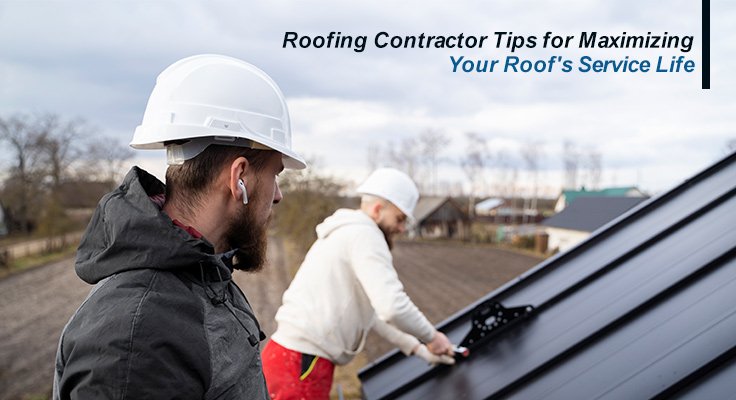
Your roof quietly protects your home every day, shielding it from harsh weather, temperature changes, and outdoor elements. Because a roof is a major investment, homeowners should take proactive steps to keep it in excellent condition for as long as possible. While roofing materials play a role in durability, regular maintenance and timely repairs are equally important when it comes to extending a roof’s lifespan.
Why Roof Maintenance Matters
A well-maintained roof can last years longer than one that is neglected. Routine care helps prevent costly repairs, protects your home’s structure, and ensures your roofing system continues performing efficiently. By taking preventative measures, homeowners can avoid unexpected expenses and maximize their investment.
Schedule Routine Roof Inspections
Regular roof inspections are one of the best ways to prevent major problems. Minor issues such as cracked shingles, damaged flashing, or small leaks can go unnoticed until they develop into costly repairs.
Having a qualified roofing contractor inspect your roof at least twice a year, as well as after severe weather events, can help identify concerns before they worsen. Early intervention often saves homeowners significant time and money.
Keep Gutters Free of Debris
A properly functioning gutter system is essential for roof health. When gutters become clogged with leaves, dirt, and other debris, water cannot flow away efficiently.
Excess water may back up beneath roofing materials, causing moisture damage to decking, fascia boards, and even the home’s foundation. Routine gutter cleaning helps ensure water drains properly and protects the roof from unnecessary wear.
Take Care of Minor Repairs Quickly
Small roofing issues rarely remain minor. A single missing shingle or a small leak can allow moisture to enter the roofing system and damage underlying materials.
Over time, trapped moisture may contribute to wood rot, mold growth, and insulation problems. Addressing repairs promptly helps preserve the structural integrity of the roof and prevents more expensive repairs later.
Trim Nearby Tree Branches
Trees can enhance a property’s appearance, but branches hanging over the roof can create several problems. During storms, limbs may scrape roofing materials or break off and cause direct damage.
Leaves and twigs can also accumulate on the roof, trapping moisture and encouraging deterioration. Keeping branches trimmed away from the roof minimizes these risks and promotes better roof performance.
Improve Attic Ventilation
Proper attic ventilation is often overlooked but plays a critical role in roof longevity.
Benefits of Proper Ventilation
- Reduces excess heat buildup
- Controls moisture levels
- Prevents mold growth
- Improves energy efficiency
- Extends roofing material lifespan
A well-ventilated attic helps regulate temperature and moisture levels throughout the year, reducing strain on the roof while improving overall energy efficiency.
Monitor Flashing Around Roof Penetrations
Flashing is installed around roof features such as chimneys, skylights, and vents to prevent water intrusion. If flashing becomes loose, cracked, or corroded, water can easily find its way into vulnerable areas.
Because flashing damage may not be visible from ground level, regular inspections are important. Keeping these protective components in good condition helps prevent leaks and water damage.
Use Gentle Roof Cleaning Methods
While roof cleaning can improve appearance, using a pressure washer may damage shingles and remove protective granules that help shield the roof from weather exposure.
Safer Roof Cleaning Alternatives
- Soft washing methods
- Professional roof cleaning services
- Manufacturer-approved cleaning solutions
- Routine debris removal
Proper cleaning methods can preserve roofing materials and support a longer lifespan.
Ensure Effective Drainage
Water that remains on a roof for extended periods can accelerate deterioration. This is especially true for flat or low-slope roofing systems where drainage challenges are more common.
Regularly checking drains, scuppers, and drainage pathways helps prevent water accumulation. Promptly addressing standing water issues can significantly improve roof performance and durability.
Pay Attention to Interior Signs of Damage
Roof problems are not always visible from outside. Sometimes warning signs appear inside the home first.
Common Interior Warning Signs
- Ceiling water stains
- Peeling or bubbling paint
- Musty odors
- Damp insulation
- Mold growth in attic spaces
Recognizing these symptoms early can help homeowners address roofing issues before extensive damage occurs.
Invest in Preventative Maintenance
Preventative maintenance is one of the most effective strategies for extending roof life. Rather than waiting for problems to develop, regular maintenance focuses on preserving the roof’s condition year-round.
Many property owners find that ongoing maintenance reduces emergency repair costs and helps prevent unexpected roofing failures.
Choose High-Quality Repair Materials
When repairs are necessary, the quality of materials matters. Lower-grade products may offer a temporary solution but often fail to provide lasting performance.
Using durable materials that match the existing roofing system helps ensure repairs remain effective and supports the roof’s long-term reliability.
Know When Replacement Is the Better Option
Every roof eventually reaches the end of its useful life. When repairs become frequent and widespread damage is present, replacement may be the more economical choice.
Signs a Roof May Need Replacement
- Recurring leaks
- Extensive shingle deterioration
- Sagging roof sections
- Widespread storm damage
- Increasing repair frequency
A trusted roofing contractor can evaluate the roof’s condition and recommend the most cost-effective solution.
Inspect After Severe Weather
Storms can cause hidden damage that may not be immediately visible. Strong winds, hail, and heavy rainfall can compromise roofing materials and create vulnerabilities.
Following severe weather events, a professional inspection can uncover issues before they develop into major structural concerns. This proactive approach helps maintain roof integrity and reduce repair expenses.
Support Roof Longevity Through Energy Efficiency
A home’s insulation and ventilation systems directly impact roof performance. Poor energy efficiency can expose roofing materials to extreme temperature fluctuations, increasing wear over time.
Improving attic insulation and maintaining proper airflow can reduce stress on the roof while helping lower energy costs throughout the year.
Conclusion
Extending the lifespan of a roof requires a combination of routine maintenance, prompt repairs, and ongoing attention to potential problem areas. Simple actions such as cleaning gutters, trimming trees, and scheduling inspections can make a substantial difference in how long a roof lasts.
Partnering with an experienced roofing contractor allows homeowners to identify issues early and maintain their roofing system more effectively. With consistent care and preventative maintenance, a roof can continue protecting a home for many years while helping owners avoid premature replacement costs.
Also Read: Roofing Contractors and Modern Roofing Technologies