Good communication is very important in healthcare. This is especially true when patients need help between clinic visits. Remote Patient Monitoring helps close that gap by keeping care teams connected with patients wherever they are.
With live health data, quick alerts, and steady communication, RPM makes it easier to follow progress and act fast when problems come up. It also helps healthcare workers work better as a team, so everyone stays updated and on the same page.
As healthcare changes, RPM is becoming a useful way to support care beyond clinic walls and improve the patient experience. Let’s explore how.
Continuous Patient Engagement
RPM helps care teams stay in touch with patients between visits. Instead of waiting for the next appointment, providers can check health updates regularly. This helps patients stay involved in their care and follow their treatment plans.
Care teams can also spot possible problems early and respond faster. Patients often feel more supported because they know someone is monitoring their progress.
Regular contact can help build healthy habits and improve results over time. It also helps create a stronger connection between patients and their healthcare providers.
Enhanced Communication Among Care Teams
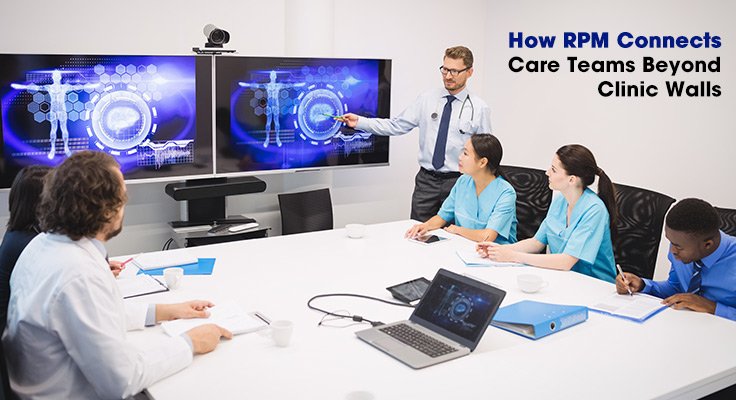
RPM helps healthcare providers share patient information more easily. Doctors, nurses, and specialists can view the same health data and stay updated on a patient’s condition.
This makes it easier for everyone to work together and make informed decisions. Better communication can reduce confusion and help care teams respond quickly when changes occur. It also helps make treatment more organized and efficient.
When providers stay connected and informed, patients receive better support. Good teamwork plays an important role in delivering quality care.
Personalization of Treatment Plans
RPM gives providers useful information about a patient’s health. By tracking data over time, care teams can see changes and adjust treatment plans when needed. This helps create care plans that fit each patient’s needs.
Personalized care can lead to better health results because treatment is based on current data. Patients receive support that matches their condition, goals, and progress, making care more effective and meaningful.
Increased Accessibility to Care Services
RPM makes healthcare easier for many people to reach. Patients can send health information from home instead of going to a clinic for every concern.
This is very helpful for older adults, people who have trouble moving around, and those who live far from care. Care teams can check updates, answer questions, and give support without many in-person visits. This saves time and makes care more convenient.
Technology also helps providers reach more patients and give help when it is needed. For instance, integrating solutions from Nsight Health can help improve communication and make remote care work better.
With this, providers can:
- follow patient progress
- notice problems early
- respond faster
Patients get easier access to care while staying connected to their care team. This helps remove common barriers and
supports better health care.
Embracing the Future of Healthcare
As healthcare continues to evolve, RPM is helping create a more connected and patient-focused experience. By adopting the right tools and solutions, organizations can deliver more efficient care and build stronger patient relationships.
Now is the perfect time to explore how RPM can strengthen your healthcare approach. Take the next step toward smarter, more accessible healthcare and discover how RPM can make a lasting difference.
Did you find this article helpful? Check out the rest of our blog now!
Also Read: Expert Healthcare Design Services for Clinics and Hospitals