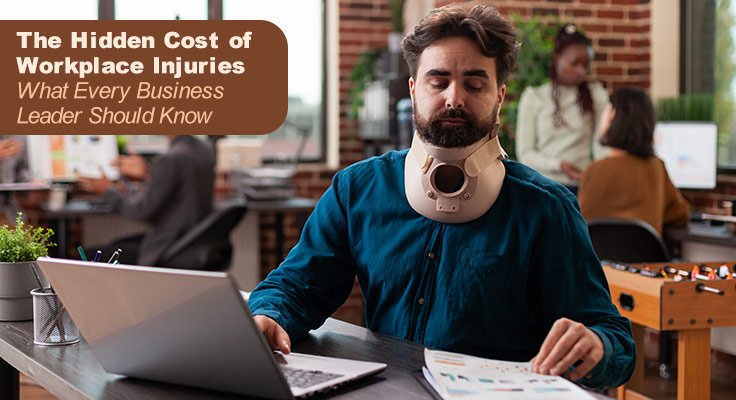
Workplace injuries affect more than just the employees involved. They create financial, operational, and reputational challenges that can impact an organization for years. While most business leaders understand the importance of safety protocols and compliance, many underestimate the true cost of workplace accidents and the ripple effects they create throughout a company.
For employees dealing with the aftermath of an injury, understanding their rights is critical. In some cases, consulting a Wilmington Workers’ Compensation Lawyer can help injured workers navigate complex claims processes and secure the benefits they are entitled to receive. However, from a business perspective, the goal should always be preventing workplace injuries before they occur.
As organizations continue to prioritize employee well-being, understanding the hidden costs of workplace injuries has become an essential component of effective leadership.
Beyond Medical Expenses: The Real Financial Impact
When a workplace injury occurs, medical treatment and workers’ compensation benefits are often the first expenses that come to mind. However, these direct costs represent only a fraction of the total financial burden.
Indirect costs can include:
- Lost productivity
- Overtime expenses for replacement workers
- Employee training and onboarding costs
- Equipment damage
- Administrative and legal expenses
- Increased insurance premiums
Research consistently shows that indirect costs often exceed direct costs by a significant margin. For businesses operating on tight margins, even a single serious workplace injury can create unexpected financial strain.
Leaders who proactively invest in safety training and risk management programs often discover that prevention costs far less than recovery.
The Productivity Problem
Workplace injuries can disrupt operations in ways that aren’t immediately visible.
When an experienced employee is unable to work, projects may be delayed, deadlines may be missed, and team performance can suffer. Remaining employees are frequently required to take on additional responsibilities, increasing stress levels and reducing overall efficiency.
In industries such as construction, manufacturing, logistics, and healthcare, the absence of a skilled worker can create significant operational challenges. Productivity losses often continue long after the injured employee returns to work as teams readjust and workloads normalize.
Business leaders who fail to account for these disruptions may underestimate the true organizational impact of workplace injuries.
Employee Morale and Workplace Culture
The consequences of workplace injuries extend beyond financial metrics.
Employees pay close attention to how their organization responds when a coworker gets hurt. A poor response can damage trust, lower morale, and create concerns about workplace safety.
On the other hand, organizations that demonstrate compassion, transparency, and accountability often strengthen employee loyalty during difficult situations.
A strong safety culture sends a clear message that employee well-being is a priority rather than an afterthought. This approach can improve retention, increase engagement, and contribute to a more positive workplace environment.
Leaders who foster open communication around safety concerns are often better positioned to identify risks before accidents occur.
The Legal and Compliance Risks
Workplace injuries can expose organizations to significant legal and regulatory challenges.
Failure to maintain safe working conditions may result in investigations, penalties, or legal disputes. Even when employers follow established safety procedures, claims processes can become complicated.
Employees facing challenges with denied benefits or disputed claims may seek assistance from a Wilmington Workers’ Compensation Lawyer to better understand their legal options. While businesses should always comply with workers’ compensation requirements, avoiding disputes through clear communication and proper documentation is often the most effective strategy.
Proactive compliance efforts can help organizations reduce liability while creating a safer environment for employees.
Reputational Damage Can Be Costly
In today’s digital world, workplace incidents can quickly become public knowledge.
News reports, social media discussions, and online reviews can influence how customers, job seekers, and business partners perceive a company. A serious workplace injury may raise questions about leadership, safety standards, and organizational values.
For businesses competing for top talent, reputation matters more than ever. Candidates increasingly evaluate employers based on workplace culture and employee treatment.
A company known for prioritizing safety and employee well-being often gains a competitive advantage in recruitment and retention efforts.
Protecting employees is not only the right thing to do—it also protects the organization’s brand.
Building a Safer Workplace
Reducing workplace injuries requires more than compliance with minimum standards. Effective leaders take a proactive approach to safety management.
Some best practices include:
Invest in Ongoing Training
Safety education should be continuous rather than a one-time event. Regular training helps employees identify hazards and follow proper procedures.
Encourage Incident Reporting
Employees should feel comfortable reporting safety concerns without fear of retaliation. Early reporting often prevents larger problems from developing.
Conduct Regular Risk Assessments
Routine workplace evaluations can identify hazards before they result in injuries.
Prioritize Employee Well-Being
Fatigue, stress, and burnout can contribute to workplace accidents. Supporting employee wellness initiatives can reduce risk while improving performance.
Develop Return-to-Work Programs
Helping injured employees transition back into the workplace benefits both workers and employers. Clear return-to-work plans can reduce downtime and improve outcomes.
In situations where employees encounter difficulties during the claims process, guidance from a Wilmington Workers’ Compensation Lawyer may provide clarity regarding available benefits and legal protections.
Conclusion
The true cost of workplace injuries extends far beyond medical bills and insurance claims. Lost productivity, reduced morale, legal challenges, and reputational harm can create lasting consequences for organizations of all sizes.
Business leaders who recognize these hidden costs are better equipped to build safer workplaces, support their employees, and protect their organizations from unnecessary risk. By investing in prevention, fostering a strong safety culture, and responding effectively when incidents occur, companies can create environments where both employees and businesses thrive.
In today’s competitive business landscape, workplace safety is no longer just a compliance issue—it is a leadership responsibility.