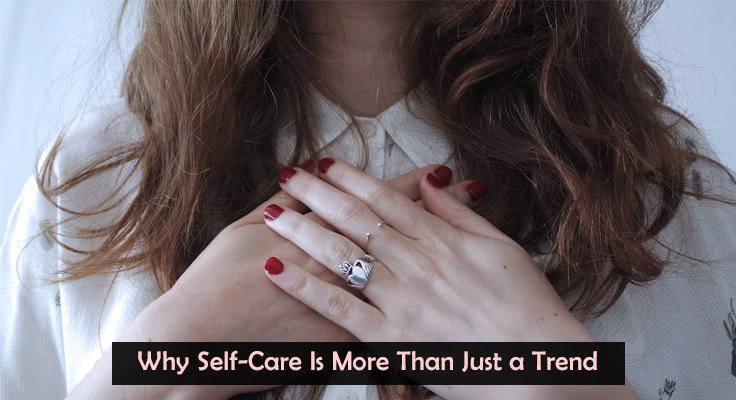
Self-care has been packaged, branded, and sold so many times that the phrase itself can start to feel hollow. Scroll through any feed, and it shows up attached to candles, weekend retreats, skincare routines, and the occasional motivational quote written in cursive. The packaging is loud, but the substance often gets lost in the noise. In Los Angeles, where image and presentation carry real weight in daily life, people are starting to look past the surface version of self-care and reconsider what the practice actually means. The shift is quieter than the trend cycle suggests, but it runs deeper.
At its core, self-care is not a product or a Sunday evening ritual. It is a long pattern of choices that protect physical health, mental steadiness, and the sense of being at home in your own life.
Taking Oral Health Seriously
Few things wear on a person’s self-image quite like avoiding their own reflection. Whether the cause is chipped enamel, uneven spacing, or years of staining that no amount of brushing seems to fix, the discomfort builds in small moments. People stop laughing fully in group photos, cover their mouths mid-conversation, or rehearse closed-lip expressions before video calls. Over time, that constant self-monitoring drains energy and chips away at how someone shows up in their own life, both socially and professionally. Addressing the underlying issue, rather than working around it, is one of the most honest forms of self-care available. Dr. Jon Marashi has built his practice around exactly this kind of restoration, offering porcelain veneers and smile design through his work as a cosmetic dentist in LA. The result is not a louder smile, but one that a person no longer has to think about hiding.
Rest Is Not a Reward You Earn
One of the more damaging ideas tucked inside trend-driven self-care is the suggestion that rest must be earned through productivity. Under that logic, sleep, quiet time, and slow mornings become prizes handed out at the end of a long week, rather than basic requirements for a functioning body and mind. The reality runs in the opposite direction. Rest is what makes the productive hours possible in the first place. Treating it as optional creates a cycle of exhaustion that no weekend getaway can fully repair. People who take their well-being seriously learn to protect sleep the way they would protect any other appointment, and they stop apologizing for needing it. The body keeps score whether you acknowledge it or not, and the bill always comes due eventually. Giving rest its place in the schedule is not laziness; it is maintenance.
The Role of Honest Relationships
Genuine self-care also includes the people around you, though this part rarely makes it into marketing campaigns. Relationships that demand constant performance, or that leave you feeling smaller after every conversation, take a measurable toll on mental health. Spending time with people who let you be unfiltered, who do not keep score, and who show up without an agenda is restorative in a way no product can replicate. This sometimes means having difficult conversations, setting limits, or stepping back from connections that have quietly turned into obligations. None of that fits neatly into a graphic, but the long-term benefit is significant. The company you keep shapes your inner weather more than most people care to admit. Choosing it carefully is one of the quieter forms of looking after yourself.
Moving Your Body for the Right Reasons
Exercise has been so heavily tied to appearance that its actual value tends to get buried. Movement supports cardiovascular health, regulates mood, improves sleep, and helps the body recover from stress. When the goal becomes punishment or transformation by a deadline, the practice becomes brittle and easy to abandon. When the goal is steady function, the practice becomes sustainable. Walking, swimming, lifting, stretching, or playing a sport you actually enjoy all count. The form matters less than the consistency, and the consistency matters less than the reason behind it. A body that moves regularly tends to feel more like an ally than a project. That shift in relationship is worth more than any visible result.
Feeding Yourself Without the Drama
Food has been turned into a battlefield by an industry that profits from confusion. Self-care in this area is not about following the newest plan or eliminating entire food groups based on a podcast you heard last week. It is about feeding yourself in a way that supports your energy, your concentration, and your long-term health, without turning every meal into a moral test. Eating regularly, drinking enough water, and paying attention to how different foods make you feel is unremarkable advice, which is probably why it works. The trends will keep cycling through, each one louder than the last. Tuning most of them out is the simplest favor you can do yourself.
Mental Health as a Daily Practice
The conversation around mental health has opened up considerably, and that is a real gain. What sometimes gets lost is that mental health, like physical health, responds to daily practice rather than crisis intervention alone. Journaling, therapy, meditation, time outdoors, and honest conversations with people you trust all contribute to a steadier internal life. None of these are dramatic, and none of them work overnight. The point is the practice itself, returned to over and over, not the moment of breakthrough.
Why the Trend Framing Falls Short
Calling self-care a trend implies it has a shelf life, and that something else will take its place once the algorithm moves on. The truth is less convenient. Taking care of your body, your mind, your relationships, and the small details of your appearance that affect your confidence is not seasonal. It is a permanent responsibility that shifts shape across different stages of life. The aesthetic version of self-care may come and go, but the underlying work stays exactly where it has always been, waiting for whoever is ready to pick it up and keep going.