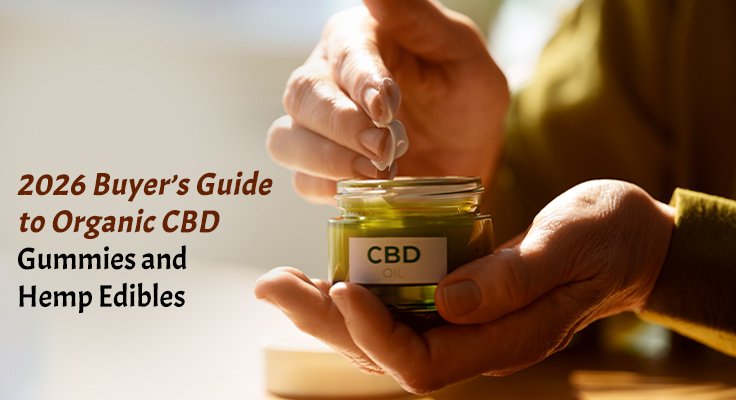
Most people grab CBD gummies based on a label claim and whatever the price tag says. That’s problematic, honestly, because the CBD edibles market lacks any real federal pre-market approval process. Low-quality products end up sitting right next to genuinely good ones on the same shelf.
This guide walks you through what separates organic hemp edibles from pure marketing noise, how to actually read a certificate of analysis, and what dosage means for someone buying their first gummies in 2026.
How to Spot Genuinely Organic CBD Gummies
Olofly handpicks every hemp product it carries, which puts it ahead of most online shops that’ll list anything with a popular brand name attached. That curation matters more than you’d expect. “Organic” on a CBD label isn’t automatically backed by USDA Organic certification. The term gets used loosely. Your job: verify; don’t just trust the marketing. Generic marketplaces let anything through.
Online stores such as Mamba Brands play a significant role in meeting the rising demand for transparency by providing cannabinoid products that prioritize quality and consistency. Their tasty gummies and vape offerings have gained popularity among consumers seeking dependable hemp-derived experiences.
What “Organic” Actually Means on a Hemp Label
USDA organic certification requires that hemp be grown without synthetic pesticides, herbicides, or chemical fertilizers and that the facility meets National Organic Program standards. Look for the green USDA seal on the packaging itself, not just the word “organic” buried in the product name. If you only see it on a sales page headline, treat it as unverified.
Third-Party Lab Reports: The One Thing You Can’t Skip
Every reputable CBD gummy brand should publish a certificate of analysis (COA) from an independent, ISO-17025-accredited lab. The COA confirms cannabinoid potency, terpene profile if relevant, and rules out heavy metals, pesticides, and residual solvents. A 2023 study published in JAMA found that roughly 70% of CBD products sold online were mislabeled, with some containing significantly more or less CBD than stated. Before you buy, pull the COA for that specific batch number.
Red Flags That Signal a Low-Quality Product
No COA link; that’s your first warning. Potency claims that seem impossibly high (500mg per gummy with no lab proof). Proprietary blends that don’t disclose CBD milligrams per serving. And here’s the thing: any brand that can’t tell you the hemp’s state of origin. These are all reasons to walk away.
Dosage, Spectrum, and Ingredient Considerations
The truth is, 2026’s buyer’s guide to organic CBD gummies wouldn’t be complete without clear details on what you’re actually putting in your body.
Full-Spectrum vs. Broad-Spectrum vs. Isolate
Full-spectrum hemp extract contains CBD alongside other cannabinoids, terpenes, and up to 0.3% delta-9 THC by dry weight (the federal legal limit under the 2018 Farm Bill). Broad-spectrum removes the THC while keeping other cannabinoids. CBD isolate is pure CBD; everything else gets stripped out. Full-spectrum tends to produce what researchers call the “entourage effect”, compounds working together rather than solo. But if your workplace does drug testing, broad-spectrum or isolated is the safer pick.
Finding Your Starting Dose
There’s no universal dose you can apply to everyone. Most adults start at 10-25mg of CBD per serving and adjust from there based on body weight, metabolism, and what they’re addressing. A 130-pound person managing mild stress will likely need far less than a 220-pound person dealing with chronic discomfort. Give any new dose at least two weeks before deciding it isn’t working; gummies take 30-90 minutes to absorb through digestion (slower than oils, but the effects last longer).
Ingredients to Look for (and Avoid)
Good organic gummies use fruit-derived pectin instead of gelatin, natural fruit juice or concentrates for color, and organic cane sugar or natural sweeteners. Steer clear of artificial dyes (Red 40, Yellow 5), high-fructose corn syrup, or synthetic flavoring agents. If the ingredient list reads like a chemistry set, it contradicts any “natural” or “organic” claim the brand makes.
Where and How to Buy in 2026
The 2026 buyer’s guide applies equally whether you shop in-store or online, but online buying gives you access to more information.
Why Online Marketplaces Beat Most Local Stores
A decent online shop lets you read full product descriptions, compare COAs across brands, and check real customer reviews before you commit. Local stores often carry limited stock; their staff can’t answer detailed questions about the extraction method or the hemp source. Online, you get the brand’s website, the COA database, and third-party review sites all at once.
Shipping, Returns, and Freshness
CBD gummies degrade in heat and UV light. Buy from a store that ships from US-based warehouses to cut transit time and prevent temperature damage during long cross-country hauls. Check the return policy before you buy. A 30-day return window on unopened products is reasonable.
Price Ranges That Make Sense
Expect to pay $0.05, $0.15 per milligram of CBD for a reputable organic product. A 750mg bottle of organic CBD gummies running $40, $55 sits in the legitimate range. Anything well below that floor either cuts corners on hemp quality or underdoses the product. Anything far above it isn’t automatically better; you’re often just paying for packaging and marketing.
Conclusion
Buying organic CBD gummies and hemp edibles in 2026 comes down to three things: verified organic sourcing; a current third-party COA for the exact batch you’re buying; and a dose that fits your body. Skip any product that hides its lab results or stays vague about hemp origin. Compare prices against the per-milligram cost, not just the bottle price. Always buy from shops that stand behind what they sell.