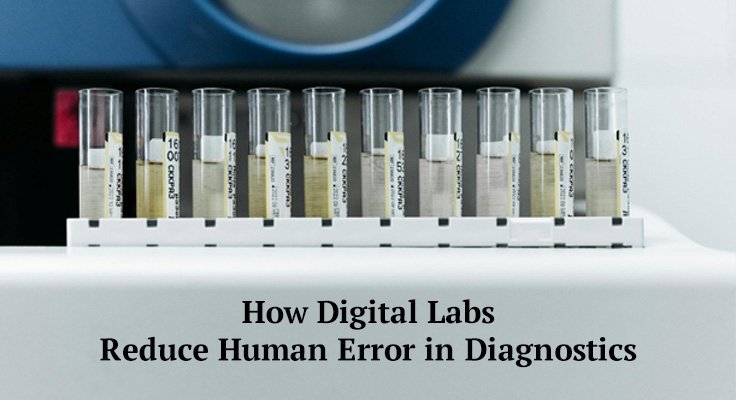
Mistakes in medical testing happen more often than you think. A tech reads the wrong label. Someone types a number backward. A sample gets swapped with another patient. These errors are rarely intentional. Humans just get tired or distracted. But the consequences can be serious. Wrong diagnosis. Wrong medicine. Unnecessary stress. Digital labs are changing this story. They remove the boring, repetitive tasks from human hands. And that makes diagnostics way more reliable.
Robots That Don’t Get Distracted
Think about how many tiny liquid transfers happen in a single test. A tech might move fifty samples by hand. Each one needs the exact same volume. Each one needs the right tube. After a few hours, even the best tech makes mistakes. A robotic liquid handling system takes over this job. The robot follows the same program every single time. It never looks at its phone. It never thinks about lunch. It just measures and moves with perfect accuracy. Human error drops to nearly zero for that task. That’s a huge win for patients.
Barcodes Kill the Swapping Problem
Sample swapping is a classic lab nightmare. You have two tubes that look identical. You pick up the wrong one. Now Patient A gets Patient B’s results. Digital labs fix this with barcodes. Every tube gets a unique code. Every step gets scanned. The system won’t let you proceed if the code is wrong. You physically cannot mix up samples anymore. This simple change prevents thousands of errors every year. It’s not fancy. It just works.
Digital Checklists Replace Memory
Humans have terrible memories. We forget steps. We skip things when we feel rushed. Paper checklists help a little. But people lose the paper. Or they check a box without actually doing the step. Digital checklists are different. The system won’t let you move forward until you complete each task. You can’t fake it. You can’t skip ahead. This forces consistency every single time. A tech might hate it at first. But they will love it when they never have to redo a test because they missed a step.
Automatic Data Entry Ends Typos
Typing is where errors hide. A tech reads a number on a screen. They type it into a form. Maybe they hit the wrong key. Maybe they misread a 3 as an 8. Now the wrong number lives in the patient’s record. Digital labs connect instruments directly to the database. The number goes from the machine to the record automatically. No human fingers touch it. No typos. No misreadings. The data is clean from the start. This alone saves countless headaches down the road.
Alerts for Weird Results
Sometimes a result is technically correct but still suspicious. A value is way too high. A pattern doesn’t match the patient’s history. A human might miss this red flag. They are focused on the next sample. Digital systems never miss these alerts. They flag any result that falls outside normal ranges. They highlight trends that look weird. They ask the tech to double-check before releasing the report. This second set of eyes is always watching. It catches mistakes before they reach the doctor.
Temperature Monitoring Prevents Spoilage
Samples need to stay at the right temperature. Too hot or too cold ruins them. A ruined sample gives wrong results. A human checks the freezer once a day maybe. But what if the temperature spikes at 2 AM? Digital labs use continuous sensors. They log temperature every few minutes. They send an alert to someone’s phone if things go wrong. You fix the freezer at 2 AM instead of finding ruined samples at 8 AM. This prevents a whole category of errors caused by bad storage.
Standardized Protocols Across All Techs
Every human works a little differently. One tech shakes a tube for five seconds. Another shakes for ten. These small differences affect results. Digital labs lock in one standard way. The system shows the exact same instructions every single time. Videos, timers, and pictures guide the tech. No one has to remember anything. No one invents their own method. Everyone follows the same script. This consistency means your results are reliable no matter who runs the test. That’s how you build trust in diagnostics.
The Bottom Line
Human error will never completely disappear. We are not machines. But digital labs shrink the error zone dramatically. Robots handle the boring liquid transfers. Barcodes prevent sample swaps. Digital checklists enforce every step. Automatic data entry kills typos. Smart alerts catch weird results. Sensors watch temperatures overnight. Standard protocols make every tech work the same way. The result is faster, safer, and more reliable diagnostics. Patients get the right answer the first time. Doctors trust the numbers they see. And lab workers feel less stress because the system has their back. That’s a win for everyone.
Also Read: The Growing Popularity of Telegram in Digital Communication