Have you noticed how quickly the world seems to shift these days? One week it is trade tensions, the next it is climate agreements or conflicts making headlines. These changes are not just shaping borders or economies. They are quietly shaping the kind of leaders the future will demand. Understanding this shift matters more than ever, especially for anyone hoping to lead in business, politics, or society.
A World That Refuses to Stay Still
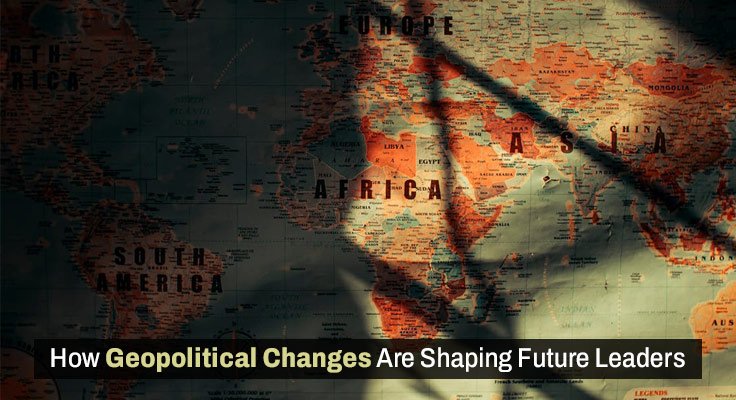
Global politics today feels less like a chessboard and more like a fast-moving game where the rules keep changing. From shifting alliances in Eastern Europe to rising tensions in the Indo-Pacific, uncertainty has become the norm rather than the exception. Leaders can no longer rely on long-standing patterns.
This constant motion is forcing future leaders to become adaptable thinkers. They must process complex information quickly and make decisions with incomplete data. The ability to stay calm while everything changes around you is becoming one of the most valuable leadership traits.
Education Is Catching Up
As global dynamics evolve, education systems are beginning to reflect those changes. Students are no longer just studying history or economics in isolation. They are learning how these fields intersect in real time, often through case studies based on current events.
Programs like masters in diplomacy and international relations are gaining attention because they prepare students to understand both policy and human behavior. It becomes clear that formal education is shifting toward practical skills like negotiation, crisis management, and cultural awareness. These are no longer niche abilities but core competencies for anyone aiming to lead in a connected world.
Technology Is Rewriting Leadership Playbooks
Technology has turned local issues into global conversations overnight. A protest in one country can trend worldwide within minutes, influencing public opinion and even policy decisions elsewhere. Leaders must now consider not just what they do, but how it will be perceived globally.
This shift demands digital awareness and communication skills. A leader who ignores social media or data trends risks being out of touch. On the other hand, those who understand these tools can build trust and respond faster to crises, which gives them a clear advantage.
The Rise of Cross-Cultural Intelligence
In the past, leaders could focus mainly on their own country or organization. Today, success often depends on understanding people from different cultures, languages, and belief systems. Global teams and international partnerships are now the standard, not the exception.
Future leaders need to listen more than they speak and learn to read subtle cultural cues. A negotiation that works in one region might fail completely in another. Being culturally aware is not about being polite. It is about being effective in a world where misunderstandings can carry serious consequences.
Climate Change Is Redefining Priorities
Climate change has moved from being a long-term concern to an immediate political and economic issue. Governments, corporations, and communities are all being forced to respond. Leaders must balance growth with sustainability in ways that were not required a decade ago.
This creates a new kind of responsibility. Future leaders must think beyond quarterly profits or election cycles. They need to plan for decades ahead while still delivering results today. That tension is shaping a more thoughtful and long-term approach to leadership.
Crisis Management Is Now a Core Skill
Recent years have shown how quickly crises can emerge, whether through pandemics, conflicts, or economic shocks. Leaders are expected to respond immediately, often under intense public scrutiny. There is little room for hesitation or confusion.
The best leaders are those who can communicate clearly during uncertainty. They provide direction without pretending to have all the answers. This balance builds trust and keeps teams or populations steady, even when the situation itself is unstable.
Ethics Are Under a Brighter Spotlight
With information more accessible than ever, leaders cannot hide behind closed doors. Decisions are examined in real time, and accountability is no longer optional. This has raised expectations around transparency and ethical behavior.
Future leaders must understand that credibility is fragile. A single misstep can damage trust built over years. Acting with integrity is not just morally right, it is strategically necessary in a world where reputation spreads quickly and widely.
Economic Power Is Shifting East and South
The global balance of economic power is no longer centered in the same places it was a few decades ago. Countries in Asia, Africa, and parts of Latin America are gaining influence, creating new opportunities and new challenges for leaders worldwide. This shift means future leaders must understand emerging markets, not just traditional economic giants.
It also changes how decisions are made. Partnerships are becoming more diverse, and influence is more spread out. Leaders who pay attention to these shifts can spot opportunities early, while those who ignore them risk falling behind in a rapidly evolving global economy.
Leadership Is Becoming More Human
Ironically, as the world becomes more complex and digital, leadership is becoming more human. People are looking for empathy, authenticity, and understanding in those who guide them. Technical skills alone are no longer enough.
Leaders who can connect on a personal level often stand out. They recognize that behind every policy or decision are real people affected by it. This awareness leads to better decisions and stronger relationships, both within organizations and across borders.
The future of leadership is not about having all the answers. It is about asking better questions, staying open to change, and understanding the broader context in which decisions are made. Geopolitical shifts are not just shaping nations. They are shaping the mindset, skills, and values of the next generation of leaders. Those who can navigate this complexity with clarity and purpose will not just succeed, they will define what leadership looks like in the years ahead.