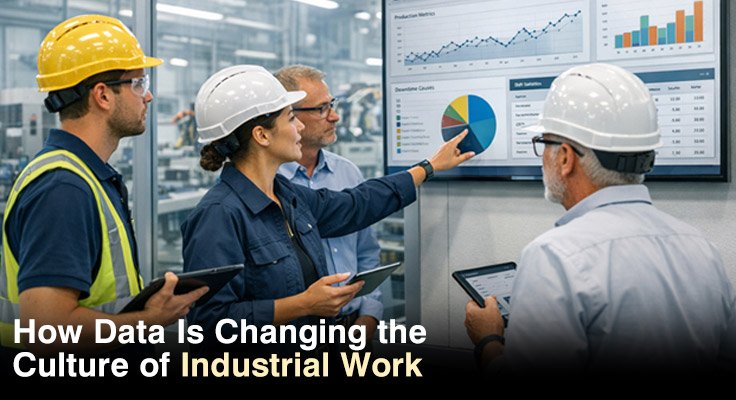
For years, industrial work ran on experience, paper logs, and quick judgment. Now, screens show live numbers on output, delays, safety, and maintenance. That shift is not only technical, it is changing how people talk, solve problems, and make decisions.
Research across sectors shows that more data does not automatically create better work. Teams need common dashboards, simple routines, and clear rules. When those pieces fit, data stops being a management tool and becomes a shared workplace language. That change affects factory floors, field crews, control rooms, and maintenance teams alike.
The old image of one expert calling every shot is fading. Today, good operations depend on shared visibility across roles. That shift changes culture as much as it changes software.
When Everyone Sees The Same Numbers
Many firms are buying AI and data tools at speed. McKinsey found that 92% plan to raise AI spending over the next three years, and 87% expect revenue growth from generative AI. Yet only 1% say those systems are fully built into daily work and producing strong results. The harder task is turning new tools into shared habits.
Why Shared Screens Change Decisions
Older industrial cultures often prized instinct and senior judgment. That knowledge still matters, but it can hide gaps when each team keeps its own records. Shared data changes the starting point because everyone can react to the same facts.
Many leaders still feel pressure to move faster. A study found that 47% of C suite leaders think generative AI tools are rolling out too slowly. In sectors like marine operations, tools like vessel performance software can connect engineers, planners, and managers around one shared view. That kind of visibility turns data into a daily conversation, not a quarterly report.
The gap between buying technology and using it well remains wide. McKinsey reported that only 1% of leaders see AI as fully integrated into workflows and driving substantial outcomes. Getting access to tools is no longer the hardest part. Getting people to use them together, in a repeatable way, is harder.
What Openness Does For Teams
Visibility matters most when it reaches more than managers. The World Economic Forum launched a dashboard report with real time, aggregated data on headcount and gender representation. It made that information available to employees, and 31% had used the tool after launch.
That move supported openness, inclusion, and more informed decisions. A shared dashboard gives teams a common factual starting point for hard conversations. Better decisions often come from more people seeing the same numbers at the same time.
Meetings start with facts instead of conflicting updates. Handover gaps shrink when one system holds the latest status. Frontline staff can flag patterns early, before small issues grow into larger delays.
Open access does not mean every metric should be public. Teams still need clear limits around privacy and purpose. However, aggregated and relevant data can reduce guesswork without exposing personal details. That balance makes transparency useful instead of overwhelming.
How Teams Make Data Useful
A healthy data culture grows through routines, not slogans. McKinsey said it used a continuous listening system with input from more than 4,000 teams at any moment. That evidence pushed it away from a blanket office rule. Instead, it found a hybrid sweet spot of about 50% in person time with clients or coworkers.
The broader lesson is about feedback loops. Live inputs, analytics, and AI can keep updating team practices instead of locking them into one permanent rule. This works best when teams collect data for a specific problem, not because software makes it easy. In practice, the best metric is the one a team uses to run its week better.
Clear kickoffs align goals, roles, and measures before work starts. Regular one to one talks surface blockers early, before delays spread across shifts or sites. Retrospectives and smoother handovers turn recent lessons into better coordination.
One public case study, published by a vendor, still shows the mechanics of that shift. Oklahoma City Fire Department reported building 15 Power Apps linked with SharePoint and Teams. The effort cut manual tasks by 40% and improved mobile data logging and response times. Leaders also gained Power BI dashboards for real time resource coordination and quicker decisions.
Still, good cultures do not treat every output as truth. McKinsey found that only 39% of senior leaders use benchmarks to judge generative AI tools. Among that group, just 17% place fairness, bias, transparency, privacy, and regulation at the top of what they measure. Without those guardrails, people often return to instinct when a number becomes hard to trust.
Where This Culture Change Leads
Data is changing industrial work because it changes who sees what, and when. Transparency itself becomes a teamwork tool when the right people share the same view. Shared dashboards can reduce delays, limit guesswork, and give teams a common language. But investment alone does not create that culture.
The strongest examples follow a simple pattern. They connect data to a real problem, keep it visible, and build routines around it. When leaders pair numbers with context, clear limits, and steady habits, teams make better decisions together. The future of industrial work belongs to teams that can turn information into action together.
Also Read: The Role of Drive Systems in Smarter Industrial Automation