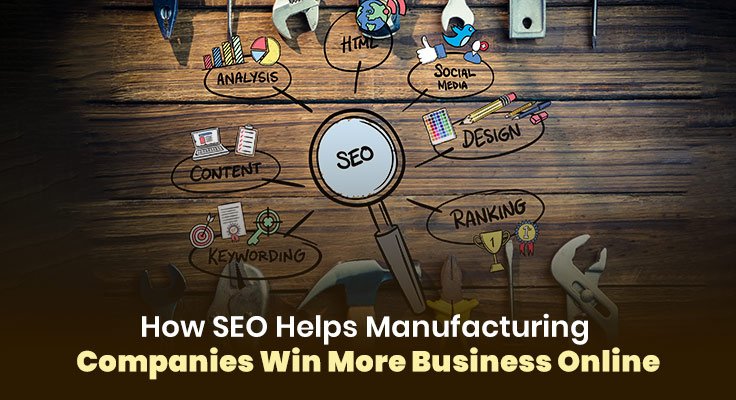
Manufacturers no longer depend solely on trade fairs, referrals, and sales calls to land new business. Most industrial customers today begin their journey online. They look for vendors, compare specs, and assess competencies before contacting anyone. This means that search engine optimization (SEO) must be on the list of modern business development activities.
SEO enables manufacturers to engage customers during the problem-solving phase. Instead of pursuing leads, companies can pull potential customers into the funnel via search. This leads to consistent business.
How Industrial Buyers Search Today
In the manufacturing industry, the buyers are very systematic and detail oriented when it comes to looking for potential business partners. For example, they might begin with a problem-oriented search for “custom metal fabrication services” or “precision CNC machining for aerospace.” These searches are very specific and are driven by a clear intent.
Buyers are also likely to review several different sites and direct their attention to the technical aspects of the site, such as the certifications the company has acquired, the case studies it has, and what its technical capabilities are. The buyers are also likely not requesting a site with creative graphics or a fancy design. They are looking for direct and clear evidence of expertise. If you are not in the search results, there is a good chance you lost a potential business partner.
Why Manufacturing SEO Is Different
Unlike retail or local services, search engine optimization in the manufacturing industry requires a more profound understanding of the technical aspects of the product or service. The different industries have different audiences and different time-consumers sales processes.
Manufacturers often deal with more complex offerings that require thorough understanding. This means that rather than just including simple keywords or phrases, they need to have content that covers and includes specifications, broad and very specific manufacturing processes, multiple and varied applications, and numerous industry case studies and use case documentation. Search engines appreciate this depth because it helps users find the information they need easily.
Creating and executing effective keyword strategies is another differentiating factor. Manufacturers attempt to capture demand with more specific and lower volume search terms. These search terms may not capture larger traffic numbers to their sites, but capture the correct persona and role, i.e., engineers, procurement managers, and decision makers.
Driving Qualified Leads, Not Just Traffic
SEO isn’t just about website visits; it’s about attracting the right visitors. For manufacturers, this means attracting buyers who are looking for solutions so they can convert.
An optimized SEO strategy means:
· Targeting high intent keywords with clear buyer needs
- Creating detailed pages for specific services offered
- Answering common buyer questions during research stages
- Showcasing certifications, case studies, and real capabilities
- Optimizing content to guide users toward inquiries
Well-structured service pages provide specific details and industry content about the product being offered. It should also respond to the buyer’s research inquiries. This builds trust and takes the buyer closer to contacting the supplier.
Good SEO creates a steady stream of inbound leads. Unlike paid ads, which stop when budgets run out, SEO continues to work as long as your strategy is consistently managed.
Supporting Long B2B Sales Cycles
The manufacturing industry often has lengthy sales cycles because it typically involves numerous decision-makers at various levels. SEO is able to help tackle this challenge by creating content at every phase of the sales cycle.
Manufacturers can create content based on the different stages of the buying process. Early-stage buyers may only need general info, while later-stage buyers would require elaborative comparisons and evidence of efficiency. When content is tailored for these different stages, manufacturers remain visible during the entire journey.
Repeated exposure fosters trust. When a prospective buyer gets to the stage of selecting a vendor, they are likely to prefer the businesses that have been consistently visible to them.
The Value of a Specialized SEO Approach
Due to the complexity of the products involved in manufacturing, coupled with the prolonged buying cycles, SEO within the manufacturing sector requires a particular type of strategy. For this reason, many manufacturing businesses partner with SEO agencies that have a deep understanding of the industrial buyers’ search patterns and the nature of the content that inspires trust.
A specialized approach usually includes:
- Clear technical content explaining products and processes
- Niche keyword targeting based on buyer intent
- Content planning aligned with long B2B cycles
- Industry focused pages for different sectors
- Strong site structure for easy user navigation
Instead of generic marketing approaches, it is more effective to focus your efforts on SEO based on real-time buyer behavior and use data and search intent to make consistent updates and improvements.
For example, Lform is a Web Design and SEO Agency based in the United States that works with B2B manufacturers. A primary focus of their work is on more technical and structured approaches to industrial buying behavior. For many manufacturers, understanding this approach means exploring SEO for manufacturing websites in their long-term digital strategy.
A Long-Term Competitive Advantage
SEO takes time, patience, and consistent effort. The first stage in the SEO process is visibility. Trust and authority come later and take time to develop. SEO will improve visibility and create a trusting authority for your business over time. For manufacturers, this technique is a way to stay ahead of the competition.