A workday can unravel fast when something breaks that nobody planned for. A delivery van stalls mid-route, a cooler quits during a busy shift, or office equipment stops working right when deadlines are tight. The issue looks technical at first, but the pressure is financial because the clock keeps ticking.
Anyone who has run a business for a while knows this pattern. Budgets are built carefully, expenses mapped out, yet surprise service bills still appear at the worst times. And they rarely come alone. One repair often reveals another problem waiting underneath.
Small Interruptions That Turn into Financial Stress
Unexpected service expenses often start with routine disruptions. A vehicle refuses to start, the office network drops during a busy afternoon, or the heating system fails right in the middle of the workweek. The repair bill is only part of the issue. The higher cost usually hides in the disruption itself.
Work slows down, staff lose time, deliveries fall behind, and customers begin noticing delays. Emergency technicians may be called after hours, often at higher rates. Quick fixes are chosen because operations must continue. Over time, these scattered problems affect stability, especially for smaller businesses where margins are tight, and budgets leave little breathing room.
Unexpected Expenses Are Usually Not Considered When Budgeting
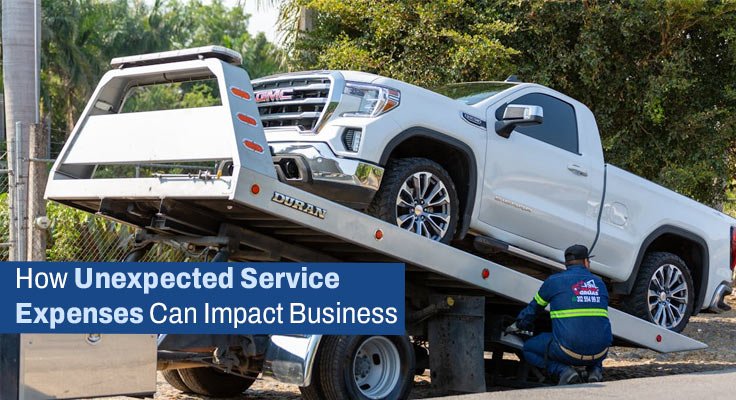
Vehicle-related disruptions offer a good example of how unexpected service expenses ripple through operations and the budgets. Many businesses rely on transportation daily, whether it involves deliveries, service calls, or equipment movement between job sites. When a vehicle stops functioning, the interruption spreads quickly. Towing services become essential in such cases. The average towing costs for cars are between $75 and $125 for local service up to 10 miles
Without timely towing services, drivers may be left waiting on the roadside while schedules collapse around them. Deliveries are postponed, clients grow frustrated, and employees who should be working are instead coordinating repairs. The situation often requires immediate assistance, which rarely comes cheap. Situations like these often push managers to learn about roadside service pricing the hard way. When a disabled vehicle must be moved quickly, the cost of recovery becomes part of the emergency response.
The Ripple Effect Inside Daily Operations
Unexpected service expenses rarely stay confined to the original problem. A single equipment failure can quietly disrupt an entire workflow. Staff members pause their tasks to help manage the issue, supervisors shift priorities, and planned work is pushed further down the schedule.
These operational disruptions may seem minor in isolation, yet they create cumulative strain. Deadlines move, customer expectations change, and productivity slows. Even once the repair is completed, operations often need extra time to return to their normal rhythm.
There is also a psychological effect within teams. Frequent interruptions create a sense of instability. Employees start expecting problems, which affects how they approach their work. Some become cautious, others frustrated, and the atmosphere inside the workplace changes slightly. It is not dramatic, but it is noticeable over time.
The Budgeting Challenge That Many Businesses Face
Financial planning becomes difficult when service expenses behave unpredictably. Most businesses prepare annual budgets that account for regular maintenance, predictable repairs, and scheduled upgrades. Those projections usually rely on historical data.
Unexpected service bills do not follow those patterns. A broken lift system or failed cooling unit might appear once every few years, but when it happens, the cost can be high. Companies are forced to adjust spending elsewhere to absorb the hit.
This often leads to uncomfortable choices. Marketing budgets may be trimmed. Equipment upgrades are postponed. Hiring plans slow down while financial stability is restored. In extreme cases, businesses dip into emergency reserves that were intended for entirely different risks.
What makes this especially challenging is the timing. These expenses rarely appear during quiet periods. They arrive during peak seasons, busy sales cycles, or critical operational windows when companies can least afford disruption.
Why Preventive Thinking Often Gets Ignored
Preventive maintenance is widely recommended in business discussions, yet it is surprisingly easy for companies to overlook it. The reason is simple. Preventive work feels optional when everything appears to be running smoothly. Managers often delay inspections, postpone minor repairs, or stretch equipment life slightly longer than recommended. Those decisions are rarely reckless. They usually come from practical thinking about cost control and competing priorities.
Unfortunately, small maintenance delays accumulate quietly. Components wear down, systems operate under strain, and eventually, something fails at the worst possible time. The repair bill that follows often exceeds what regular maintenance would have cost in the first place. This pattern repeats across industries. It is not a sign of poor leadership. It is simply the result of constant financial balancing. Businesses operate under pressure to reduce expenses, and preventive spending does not always show immediate value.
Customer Expectations Do Not Pause for Repairs
Modern customers have grown used to speed and reliability. Online tracking, real-time updates, and rapid delivery windows have reshaped expectations across many industries. Even small businesses now operate in an environment where delays are noticed quickly.
When unexpected service expenses interrupt operations, customers rarely see the mechanical details behind the delay. They see missed deadlines, unavailable services, or postponed appointments. Their experience with the business changes in that moment.
Companies that experience repeated disruptions often find themselves managing reputation as much as logistics. Communication becomes critical. Honest explanations and quick updates help preserve trust, but they do not remove the operational stress created by the interruption itself. In competitive markets, reliability becomes part of the brand. Businesses that maintain consistent operations gain quiet advantages over competitors who struggle with frequent service issues.
Building Resilience Without Overreacting
Responding to unexpected service expenses requires balance. Overreacting by purchasing excessive backup equipment or emergency contracts can create unnecessary financial strain. Ignoring the issue entirely, on the other hand, leaves companies exposed to repeated disruptions.
Many businesses gradually adopt practical safeguards. They track service history more carefully, maintain modest emergency funds, and build relationships with reliable repair providers who respond quickly when needed. These measures do not eliminate surprises, but they soften their impact.
Operational resilience often develops through experience rather than formal strategy. Each unexpected expense teaches something about vulnerabilities in the system. Over time, managers adjust how they plan, budget, and maintain critical assets.
This slow learning process shapes stronger operations. Unexpected service expenses will always exist because businesses rely on machines, vehicles, and infrastructure that eventually wear out. What changes is how prepared a company becomes to handle the next interruption when it inevitably arrives.