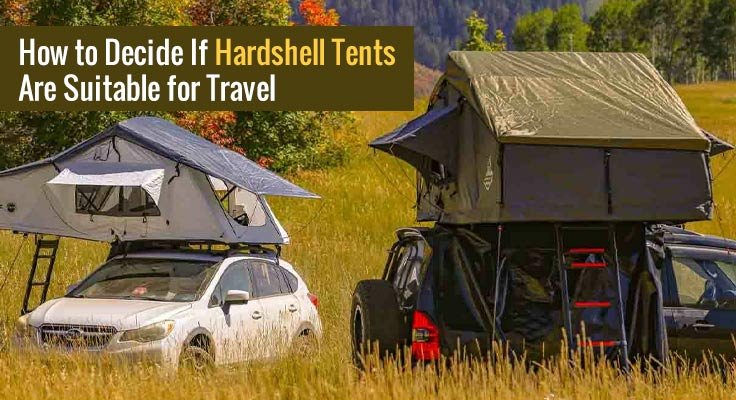
The rooftop tent has revolutionised road trips and off-grid travel for many. The hardshell tent is one of the most successful due to its well-thought-out design and quick installation. However, this roof storage may not be a good fit for all users. This article describes the key factors that determine whether a hardshell tent is suitable for your type of travel.
How You Travel Day to Day
If your trips consist of moving every day or two, speed is essential. Hardshell tents set up and come down quickly, meaning you spend less time and effort on your morning and evening routines.
If you often stay in one place for more than a couple of nights, the speed of setup and takedown may be less critical. More important factors may include interior space or even add-ons.
Setup Simplicity Matters to You
Some travellers prefer a full camp setup, while others keep it minimal. Simplicity is what hardshells are made for; they have fewer moving parts and no multiple sections that unfold only to manage when you are exhausted or arrive when it is dark.
If you prefer things to be simple at the end of a trip, this is the right style. Also, minimising the setup leads to fewer things to damage.
Vehicle Handles Added Weight
Hardshell tents are typically heavier than their softshell counterparts, which can have an impact on driving characteristics and fuel efficiency. Your roof’s load limit is something you will be checking constantly.
A well-paired rig keeps your vehicle relatively well-balanced and simple to drive. If there are already several accessories on your car, weight becomes another consideration.
Balance Convenience and Flexibility
Making option selections always involves considering the trade-offs involved. In terms of hardshell rooftop tents, this choice provides a high level of convenience and insurance against risks associated with certain hard modifications.
However, the offer is possibly less flexible due to the rarity of extensions in comparison to rooftop alternatives. Those who weigh convenience versus living space would travel and spend time in the camp and houses on wheels in different proportions.
Importance of Weather Protection
The specific weather on your trip will quickly determine why you need a hardshell for your camping experience. Hardshells are designed for wind protection, so if you are camping in a windy area, you need to get one.
If there are often sand and dust storms on your coastal, open, or alpine routes, this extra protection will help you sleep better. You won’t have to worry about the conditions all night.
How Much Space You Actually Need
Hardshell tents often have a more confined sleeping area than some fold-out designs. This is fine for a single person or a couple, but it can be confining for a family. Also, consider how you will use your tent besides sleeping. If you only go inside to sleep at night, the space will most likely be enough.
Budget Fits Long-Term Use
Although each new adventure calls for a significant expenditure now, in the long run, there will be less money for repairs and replacement. Frequent travellers may conclude that it is reasonable to invest in a tent once rather than repurchase it several times.
However, travellers who go on the road only once in a season may find that they do not need anything more complicated.
Finding the Right Match for Your Travel Style
Whether a hardshell tent is right for your journey is not something you can tell by trends or appearance. It mostly depends on how you get around, where you sleep, and what you prefer when you wake up. When these thoughts match, the tent becomes an asset, not a discount, as it takes off competitively.
Also Read: Safety Guidelines and Best Practices When Using Custom Canopy Tents