A high-performing team doesn’t happen by chance. It’s a product of culture, strategy, and environment, and in today’s business world, environment plays a more crucial role than ever. The physical spaces where teams collaborate, create, and execute ideas can significantly influence productivity, morale, and innovation. That’s why leaders aiming for peak performance aren’t just overseeing workflows; they’re intentionally designing workspaces that drive results.
This article explores how top-tier leaders approach workspace design to boost engagement, creativity, and performance, and what small, smart changes you can apply to your own workplace today.
Why Workspace Design Matters More Than Ever
As remote and hybrid work models evolve, leaders face a unique challenge: designing environments that feel intentional, functional, and inspiring. Workspace design now extends beyond office walls to home setups, shared spaces, and virtual zones. Regardless of the setting, one principle remains clear: our environment influences our behavior.
Studies show that workplace design directly impacts productivity, job satisfaction, and even employee health. Natural lighting, acoustics, ergonomics, layout, and decor all play subtle yet powerful roles in how people feel and function. Forward-thinking leaders understand that designing an inspiring workspace isn’t an expense; it’s an investment in team performance.
Clarity and Function Come First
Before diving into style, high-performing leaders prioritize clarity and function. They design workspaces that help teams understand their goals, stay organized, and move efficiently. This includes:
- Defined zones for collaboration, deep work, and relaxation.
- Streamlined tech setups that reduce friction.
- Minimized clutter to support mental clarity.
A common thread among elite workspaces is that every item serves a purpose. Desks aren’t buried in paper. Meeting rooms aren’t awkward or outdated. Instead, each area supports a specific behavior, whether it’s focus, brainstorming, or recovery.
Functional design doesn’t need to be flashy. In fact, sometimes the simplest spaces are the most effective. What matters is that they’re built with intention and clarity.
Infusing Personality to Spark Creativity
Once the basics are in place, standout leaders look for opportunities to infuse personality and meaning into the workspace. A sterile office might be functional, but it’s unlikely to ignite creative thinking or emotional connection. That’s where personalization and aesthetic choices come in.
Great leaders know that creative, emotionally connected teams outperform those operating in dull, uninspired settings. So they design environments that reflect their company values, mission, or cultural DNA. For example:
- A startup might showcase its founding journey with framed milestones or concept sketches.
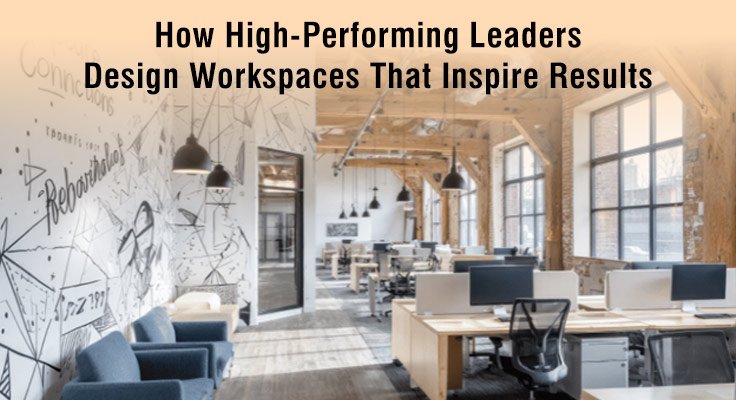
- A creative agency may use bold color palettes or unconventional furniture to promote lateral thinking.
- A social enterprise might feature art or photography aligned with its social impact work.
For teams seeking to energize their creative spaces, integrating pieces from https://thegoatwallart.com/ offers a unique blend of edge and inspiration. The curated graffiti art collection reflects individuality, drive, and rebellion against mediocrity. It’s perfect for organizations that want to break conventional molds and drive bold thinking.
The Power of Visual Cues and Cultural Symbols
Visual cues shape how we interpret space and behavior, and high-performing leaders use them intentionally. Symbols, colors, and artwork can reinforce company culture or performance goals without saying a word.
Consider the impact of a large-format art piece in a brainstorming room. A bold, expressive image can act as a silent catalyst for creative energy. Or imagine a company that celebrates excellence and resilience through a curated collection of street-style art, showing icons of leadership and progress. When chosen thoughtfully, these design elements are not just decorative; they become daily motivators.
Prioritizing Flexibility and Autonomy
In a high-performance culture, flexibility is key. Leaders who empower their teams to shape their environment build trust and ownership, two essential ingredients for results. Whether it’s allowing employees to personalize their desks or reconfigure furniture to match the task at hand, flexibility gives people control over how they work best.
Designing for autonomy might look like:
- Modular furniture that can be rearranged.
- Breakout spaces with different sensory inputs.
- Acoustic solutions for switching between quiet and collaborative modes.
This isn’t just a matter of preference. It’s about removing friction from focus and collaboration. The most successful leaders recognize that people thrive in different setups and allow for that diversity to manifest physically in the workspace.
Leading by Example: Designing With Intention
Ultimately, workspace design reflects leadership. A leader who invests in thoughtful, empowering environments sends a clear message: “I care about how you work, and how you feel while doing it.” That kind of message resonates far deeper than policies or slogans.
Even in remote setups, leaders can model workspace intentionality. From offering stipends for home-office enhancements to showcasing their work setups on internal channels, they normalize the idea that design is part of performance.
The best-designed workspaces aren’t necessarily the most expensive; they’re the most intentional. They’re built around how people move, think, connect, and create. And that’s what high-performing leaders focus on.
Conclusion: Small Changes, Big Results
Great leaders don’t just build teams; they build environments that help those teams thrive. From functional layouts and personalized touches to visual cues and flexible zones, designing a high-performance workspace is about aligning space with purpose.
Start by assessing your current environment. Are your spaces working for your team or against them? What subtle changes could you make to encourage creativity, clarity, or collaboration?
You don’t need to overhaul your entire office to see results. Often, a few meaningful additions (a powerful piece of wall art, a flexible seating area, or a clutter-free focus zone) can change how your team feels and performs every day. When leaders design with intention, the space becomes a silent partner in success.
Also Read – Top Leadership Traits Driving Growth in Tech-Enabled Businesses