Why Does This Decision Feel So Overwhelming?
Families struggle with end-of-life choices because the conversation feels uncomfortable long before it feels necessary. Studies show more than 70% of Americans avoid discussing death planning early, which leads to rushed decisions made under emotional stress. The weight of these choices is not just emotional; it’s logistical, financial, and irreversible.
At the same time, the landscape is changing. According to the NFDA 2024 report, cremation overtook burial as the majority preference in 2016 and continues to climb. Projections show cremation reaching 71.9% of all dispositions by 2035. Traditional burial, once dominant at over 70% in 1970, has dropped to roughly 27.4% in 2023. This shift reflects a major cultural change,families are moving away from the structured expectations of traditional funeral services and toward more flexible options available through modern cremation service, which align better with evolving beliefs, budgets, and lifestyles.
What Does a Traditional Burial Actually Involve?
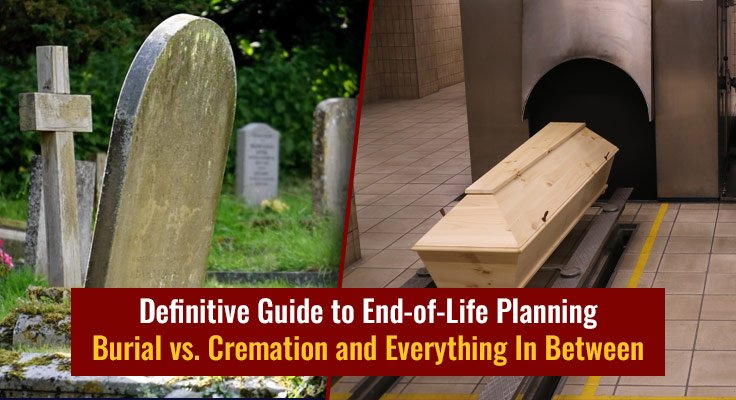
A traditional burial is a sequence of coordinated services. Embalming occurs in around 60% of these cases, followed by a viewing, a funeral ceremony, and a graveside committal. It’s a structured process that prioritizes tradition, ritual, and physical memorial placement.
Why Do Families Still Choose Burial?
Burial remains meaningful for those who value established customs. About 30–35% of Americans continue to prefer burial because it aligns with religious and cultural expectations. A permanent memorial also matters. A Gallup poll found 48% of respondents valued having a physical place to visit, something burial naturally supports.
What Challenges Come With Burial?
The timeline is short. Funeral homes typically coordinate arrangements within 3–5 days after death, which intensifies pressure at an already emotional time.
Cost is the other major hurdle. The 2023 NFDA Funeral Cost Survey lists a median price of $8,300 for a standard burial package, and that doesn’t include the cemetery plot. Depending on the location, a plot alone can add $1,000 to $4,000 or more. Extras escalate quickly:
· Caskets often range from $2,000 to over $10,000
· Vaults average around $1,500
· Opening and closing a grave adds separate fees
For many families, burial remains symbolically powerful, but the financial reality can be difficult to absorb.
Why Are More Americans Choosing Cremation?
Cremation appeals to practicality. It avoids the urgency of a traditional funeral, reduces cost, and adapts to modern family lifestyles.
What’s Driving This Shift?
Cost is decisive. Cremation typically costs 50–70% less than burial, and the national median price of direct cremation is about $2,200 (NFDA, 2023). That gap alone reshapes family choices.
Mobility matters too. With over 30% of Americans living in a different state from their extended family, cremated remains are far easier to transport than coordinating cemetery access and travel.
Flexibility is the emotional advantage. Cremation gives families time to plan a meaningful memorial without rushing through grief.
How Does Cremation Work?
The process is straightforward. Cremation usually requires legal paperwork and identification, followed by a short waiting period, often 24–48 hours. The body is placed in a chamber where it is reduced to cremated remains, later placed in an urn selected by the family.
If you’re evaluating providers, understanding your options for cremation services helps avoid surprises and ensures transparency in pricing and care.
Which Type of Cremation Service Fits Your Needs?
Not all cremation options look the same. Families choose based on cost, ceremony preferences, and timing.
Is Direct Cremation the Most Practical Choice?
It is for many. Around 50% of cremation families choose direct cremation. There is no viewing or funeral beforehand, which eliminates expenses tied to embalming, caskets, and facility use. Families hold services later, on their own terms.
What About Full-Service Cremation?
This option suits those who want ceremony without burial. Roughly 30% of cremation families select full-service cremation, which includes visitation and a traditional-style funeral. The body is present in a rental casket, and cremation follows afterward.
Why Are Memorial Services After Cremation Growing?
Memorial-only services are becoming popular because they’re adaptable. About 20% of families choose this route. The urn may be present or not; the location is flexible; the tone can be intimate or expansive. People personalize these services to reflect the person, not the process.
What Happens After Cremation?
Choosing cremation isn’t the end, it opens a series of decisions.
Where Do Cremated Remains Go?
About 40% of families place remains in an urn that is interred in a columbarium or burial plot, creating a permanent site similar to traditional burial.
Scattering is gaining momentum. Laws vary by region, but families increasingly choose meaningful locations.
A growing segment, more than 15%, pursues creative tributes such as reef memorials, jewelry, or glass artworks that incorporate ashes.
Does Cremation Prevent Memorialization?
Not at all. Every option can honor a loved one. Traditional ceremonies are still available through burial services, and cremation offers endless personalization. The method of final disposition does not dictate the meaning of remembrance.
Which Option Makes the Most Sense for Your Family?
Burial anchors tradition and offers a tangible site, but with median costs at $8,300+ and additional cemetery fees, it’s financially demanding. Cremation, with average costs between $2,200 and $3,000, continues to gain preference because it gives families time, affordability, and flexibility.
Yet the most overlooked issue is timing. Over 60% of Americans have no pre-arranged funeral plan, leaving loved ones to make consequential decisions in moments of grief. Planning ahead isn’t morbid, it’s relief, clarity, and kindness to the people you care about.
If you’re ready to explore options with clarity rather than urgency, start with understanding your cremation services. The right choice isn’t about death—it’s about how you want your story to be remembered.