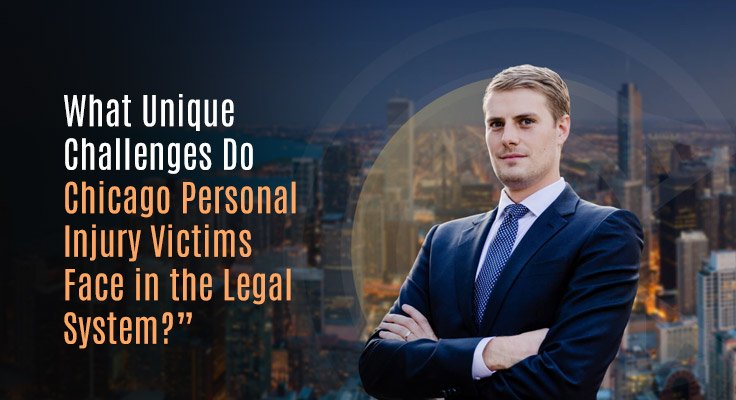
Personal injury cases in Chicago often unfold within one of the busiest legal systems in the country. The city’s population size, dense traffic, and varied industries create an environment where accidents occur frequently, adding pressure to local courts. Chicago personal injury victims face distinctive legal challenges shaped by the city’s crowded court schedules, complex local procedures, and evolving case trends.
These challenges demand careful navigation through processes that differ from those in smaller jurisdictions. Each case type, from vehicle collisions to workplace injuries, may require a different legal approach tied to Illinois law and local regulations. Understanding these factors helps victims pursue fair outcomes within a legal system that often tests both patience and persistence.
High volume of cases creating overloaded court schedules
Chicago’s courts face steady pressure from a large volume of personal injury cases. The city’s dense population, heavy traffic, and many workplace incidents lead to thousands of claims each year. As a result, delays in hearings and settlements have become common. Many victims turn to a Chicago personal injury lawyer for injury claims to help move their cases forward and manage court deadlines effectively.
Overloaded court schedules often mean longer wait times for hearings, document reviews, and final judgments. Judges and staff juggle hundreds of matters, which can slow progress even further. This backlog not only frustrates victims but also increases the emotional and financial strain they face.
Lawyers must plan carefully to handle these delays. They often push for early negotiations or mediation to reduce waiting times. For accident victims, having legal guidance increases the chance of receiving timely updates and maintaining steady progress toward resolution.
Complex litigation processes are unique to Chicago’s legal system
Chicago’s legal system presents layers of complexity that often make personal injury cases more demanding. The city’s courts handle a high volume of civil cases, which can cause delays and procedural challenges that smaller jurisdictions rarely face. Each court division uses specific procedures that may affect how evidence and motions move forward.
Local rules and judicial preferences also shape how attorneys must prepare their cases. Some judges require strict compliance with filing schedules and evidence exchange, which adds pressure to meet deadlines. Therefore, victims and their lawyers must stay alert to court expectations to avoid setbacks.
Multiple defendants, insurance companies, and government entities often appear in Chicago cases. This overlap increases the need for coordinated strategies across several parties. As a result, attorneys must anticipate conflicts and procedural hurdles early in the process to keep cases on track.
Appeals within Illinois’ First District can add another layer of complexity, requiring experience in both trial and appellate practice.
Rising personal injury claims due to urban and post-pandemic factors
Downtown Chicago has seen a rise in personal injury claims as daily life becomes busier again. Increased foot traffic, construction work, and heavier vehicle flow have created more opportunities for accidents. As businesses reopened, people returned to offices, shops, and public areas, which raised the number of slip-and-fall and vehicle-related incidents.
Urban growth also contributes to safety challenges. New developments often bring uneven sidewalks, temporary hazards, and crowded intersections. These conditions increase the risk of pedestrian and cyclist injuries, especially in high-traffic zones.
The post-pandemic period changed how injuries occur and are handled. Remote work blurred the line between workplace and home-related claims. Medical delays and insurance disputes have also complicated the claim process for many residents. Therefore, the mix of urban development and social shifts continues to shape how personal injury cases unfold across Chicago’s courts.
Need for legal expertise in navigating diverse case types
Personal injury cases in Chicago cover a wide range of situations, such as car accidents, workplace incidents, and slip and fall injuries. Each type requires a different legal approach because evidence, liability, and damages vary from case to case. A small mistake in understanding these differences can affect the outcome.
Legal experts help clients handle these complex details. They know how to evaluate medical reports, gather witness statements, and calculate fair compensation. Their local experience also helps them interpret Illinois laws and city regulations that influence each claim.
Attorneys with focused knowledge help victims face insurance companies and defense lawyers on equal ground. For example, a car accident case often involves negotiations with multiple insurers, while a medical malpractice claim demands review of detailed medical evidence. Without professional guidance, a person may miss key legal steps or accept an unfair settlement.
Impact of evolving local regulations on claim outcomes
Chicago’s personal injury cases often depend on how local and state rules shape the claims process. Lawmakers frequently update regulations that address damages, time limits, and evidence requirements. These changes can alter how claims move through the courts and how compensation is calculated.
Recent state-level adjustments to comparative negligence laws have influenced how fault is divided between injured victims and defendants. A small shift in those rules can reduce or increase payouts, especially in cases involving multiple parties. Therefore, attorneys must track each change to protect their clients’ interests.
Insurance claim procedures also evolve with new consumer protection laws and agency guidelines. Some rules create faster resolution options, while others add steps before claim approval. As a result, victims may face delays or higher demands for documentation depending on the policy terms and current legal standards.
Local ordinances add another layer of complexity. They often set standards for property safety or accident reporting that directly affect liability determinations.
Conclusion
Chicago personal injury victims often deal with complex legal steps that require clear guidance and patience. Each case may involve multiple laws, insurance details, and deadlines that can confuse anyone unfamiliar with the process.
They must also face emotional and financial pressure while gathering evidence and proving responsibility. Local laws and court procedures can vary, which adds another layer of difficulty. Skilled legal representation can therefore make a measurable difference in how a case progresses.
Personal injury victims in Chicago benefit from understanding their rights and seeking help early. Careful documentation, honest communication, and legal support give them a stronger path toward fair compensation.
Also Read – Empowering Women’s Health: How Hormone Therapy in Chicago Helps Restore Balance and Vitality