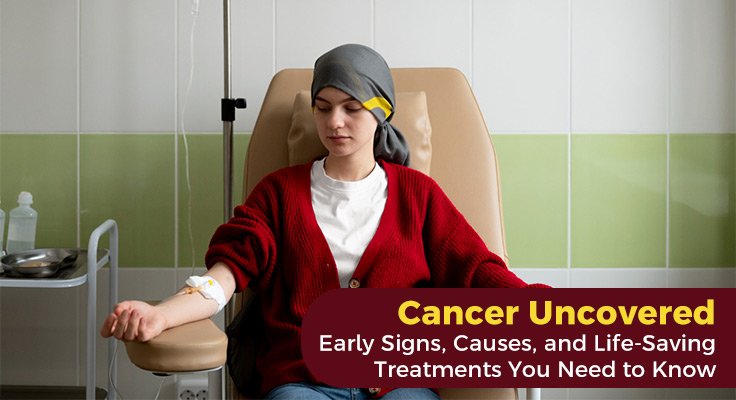
When you search for Cancer, your heart is usually heavier than your search bar. Maybe a symptom won’t go away, a doctor’s visit left you worried, or someone you love is fighting a battle you never expected. Fear, confusion, and endless questions often come with it, especially when the information you find feels cold, complicated, or hard to trust.
This blog is here to make Cancer easier to understand without adding to the fear. You’ll discover what it really means, the early signs many people overlook, and why knowing the facts can make a real difference. By the end, you won’t feel lost or overwhelmed, just informed, supported, and ready to keep reading.
What Is Cancer? A Simple Explanation Everyone Should Understand
Cancer is a disease where abnormal cells grow and divide in an uncontrolled way. These cells don’t follow the body’s normal rules, which means they can damage healthy tissues and organs. Over time, cancer cells may spread to other parts of the body, making the condition more serious.
The key thing to understand is that cancer is not just one disease. There are many types, and each one behaves differently depending on where it starts and how fast it grows. Early detection and proper treatment play a major role in managing cancer and improving outcomes.
Early Signs of Cancer You Should Never Ignore
Early signs of cancer often appear as small changes in the body that don’t go away. These may include unusual lumps, unexplained weight loss, constant fatigue, or pain that lasts longer than expected. Because these symptoms can feel minor at first, many people ignore them.
The most important takeaway is that persistent or unusual symptoms should never be overlooked. Paying attention to early warning signs and seeking medical advice on time can lead to earlier diagnosis, simpler treatment, and better chances of recovery.
Common Causes of Cancer and How They Affect the Body
Cancer often develops due to a mix of lifestyle choices, environmental exposure, and genetic factors. Things like smoking, an unhealthy diet, a lack of physical activity, and long-term exposure to harmful substances can damage cells over time. This damage affects how cells grow and repair themselves.
When the body’s normal cell control system breaks down, abnormal cells begin to multiply. These unhealthy cells can interfere with how organs work, weaken the immune system, and eventually spread to other areas of the body. Understanding the common causes helps people make better choices to protect their health.
How Cancer Develops: From Normal Cells to Disease
Cancer begins when normal cells change and stop working the way they should. Instead of growing and dividing in a controlled way, these cells start multiplying too fast. Over time, the body loses its ability to stop or repair these abnormal changes.
As these damaged cells continue to grow, they form masses and can invade nearby tissues. In some cases, they spread to other parts of the body, turning a small cellular problem into a serious disease. This slow progression is why early detection matters so much.
Most Common Types of Cancer and Their Warning Symptoms
Certain lifestyle choices, environmental exposures, and inherited traits can increase your risk of cancer. Smoking, poor diet, lack of exercise, and long-term exposure to chemicals or radiation can damage cells over time. Family history and genetics can also play a role in making some people more susceptible.
Understanding these risk factors helps you take preventive steps. By making healthier choices and staying aware of personal and environmental risks, you can reduce your chances of developing cancer and catch potential problems earlier.
Risk Factors That Increase Your Chances of Cancer
Some factors can make a person more likely to develop cancer. Lifestyle habits such as smoking, drinking alcohol excessively, eating an unhealthy diet, or not getting enough physical activity can slowly damage cells over time and increase the risk. Long-term exposure to harmful chemicals, pollution, or radiation can also contribute to changes in the body that may lead to cancer. Additionally, family history and genetic factors play a role, meaning some people are naturally more susceptible than others.
Understanding these risk factors is very important for prevention and early action. By making healthier lifestyle choices, avoiding harmful exposures, and being aware of your family’s medical history, you can reduce your chances of developing cancer. Regular check-ups and early screening can also help detect potential problems before they become serious, giving you a better chance at effective treatment and long-term health.
Modern Cancer Treatments: What Options Are Available Today
There are several ways to treat cancer depending on its type and stage. Surgery removes tumors, radiation targets cancer cells, and chemotherapy uses medicines to slow or stop cell growth. Newer treatments like immunotherapy and targeted therapy help the body fight cancer more precisely.
Modern treatments aim to control the disease and improve the quality of life. Doctors often combine different methods for the best results. Early detection and the right treatment plan can increase the chances of recovery and a healthier life.
How Early Detection Improves Cancer Survival Rates
Finding cancer early can make a huge difference in how successful treatment will be. When cancer is detected at an early stage, the abnormal cells are usually smaller and less likely to have spread to other parts of the body. This makes treatments like surgery, radiation, or medication more effective and less invasive.
Early detection not only improves survival rates but also gives patients more options for care. Regular health check-ups, screenings, and paying attention to unusual symptoms can help identify cancer sooner. The sooner cancer is found, the higher the chance of effective treatment and long-term recovery, giving patients a better quality of life.
Cancer Prevention Tips Backed by Medical Research
- Eat a balanced diet rich in fruits and vegetables: Natural nutrients help protect cells and reduce the risk of cancer.
- Stay physically active and exercise regularly: Moving your body keeps your weight healthy and lowers cancer risk.
- Avoid smoking and limit alcohol consumption: Both are strongly linked to many types of cancer.
- Protect your skin from excessive sun exposure: Use sunscreen and clothing to prevent skin damage and skin cancer.
- Schedule regular check-ups and screenings: Early detection and monitoring can catch warning signs before cancer develops.
Living With Cancer: Coping Strategies for Patients and Families
Living with cancer can be challenging for both patients and their families. Coping involves managing physical symptoms, dealing with emotional stress, and adjusting to changes in daily life. Support from loved ones and open communication are very important during this time.
Finding strategies to handle the mental and emotional impact is key. This can include staying informed about the disease, seeking counseling or support groups, and focusing on small, manageable goals. Coping well helps patients and families maintain strength, hope, and a sense of control.
Frequently Asked Questions
What are the 7 cancer warning signs?
The 7 cancer warning signs include unusual lumps, unexplained weight loss, constant fatigue, persistent pain, bleeding, skin changes, and a long-lasting cough. Early detection of cancer improves treatment success.
What is the main cause of cancer?
The main cause of cancer is abnormal cell growth. Cancer happens when cells divide uncontrollably due to DNA damage from lifestyle, environment, or genetic factors over time.
What is 90% of cancer caused by?
About 90% of cancer cases are caused by lifestyle and environmental factors. Smoking, poor diet, infections, radiation, and chemicals can trigger cancer in the body.
What are the 4 types of cancer?
The 4 main types of cancer are carcinoma, sarcoma, leukemia, and lymphoma. Each type of cancer affects different tissues and organs in the human body differently.
How does cancer start?
Cancer starts when normal cells change and grow uncontrollably. These abnormal cells form tumors, damage healthy tissues, and can spread, making cancer dangerous if not detected early.
Conclusion
Cancer is a serious disease that affects millions of people worldwide. Understanding Cancer helps you notice early signs and take action. Cancer can start in any part of the body. It grows when normal cells change and divide uncontrollably. Early detection of Cancer improves treatment success and can save lives. Knowing the risk factors of Cancer, like smoking, poor diet, and genetics, helps prevent it.
Living with Cancer is challenging for patients and families. Coping strategies, support, and regular check-ups are very important. Modern Cancer treatments like surgery, chemotherapy, radiation, and immunotherapy can control the disease. Awareness about Cancer, its causes, and prevention tips makes a big difference. By learning about Cancer, paying attention to symptoms, and following healthy habits, we can fight Cancer better and live healthier lives.
Also Read – Cancer Explained: Types, Causes, Symptoms, and Modern Treatments