Strategy Only Works When Leaders Own the Outcome
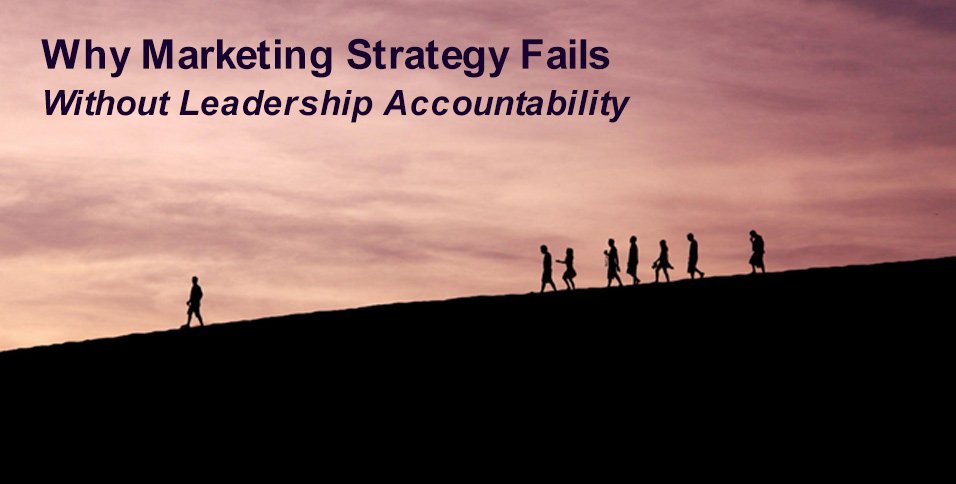
Marketing strategy often looks perfect on paper. There are clear goals, smart tools, detailed timelines, and strong creative ideas. Yet many strategies still fail to deliver results. The reason is rarely the plan itself. More often, it is the lack of leadership accountability. When leaders do not take ownership of marketing outcomes, even the best strategies lose direction, momentum, and impact.
Marketing does not operate in isolation. It touches sales, product, customer success, and finance. Without leadership alignment, teams pull in different directions. Marketing might focus on awareness while sales expects ready-to-buy leads. Product teams may launch features without marketing input. This disconnect creates wasted effort and poor results. When leaders actively own the strategy, priorities stay clear and teams move together.
Accountability also sets the tone. When leaders review metrics regularly and ask the right questions, performance improves. Teams feel supported but also responsible. They know results matter. In contrast, when leadership treats marketing as an experiment with no follow-up, teams lose focus. Campaigns drift, budgets blur, and learning slows.
Strong leaders do not just approve strategies. They champion them. They connect marketing goals to business outcomes and make decisions when trade-offs appear. This ownership turns strategy into action. Without it, marketing becomes busy work instead of a growth engine.
The Cost of Strategy Without Clear Ownership
One of the biggest mistakes companies make is spreading responsibility too thin. When everyone is involved, no one is accountable. Marketing teams launch campaigns, agencies deliver assets, and leaders wait for results. When results fall short, blame replaces learning. This cycle repeats because no single leader owns the outcome.
Lack of accountability also hurts speed. Decisions stall when leaders are not engaged. Teams wait for approvals or clarity. Opportunities pass. In fast-moving markets, slow decisions cost revenue. Leadership accountability keeps momentum high by removing blockers quickly.
Data is another casualty. Marketing generates large amounts of data, but without leadership ownership, insights go unused. Reports are created but not acted on. Leaders who own strategy review performance and adjust course. They treat data as a tool for growth, not a formality.
Accountability also protects budgets. Marketing spend without oversight often drifts toward vanity metrics. Leaders who tie spending to outcomes ensure resources support real goals. This discipline builds trust between departments and improves return on investment over time.
Leadership Accountability Aligns Teams and Expectations
When leaders take responsibility for marketing outcomes, alignment improves across the organization. Sales, marketing, and operations share the same definition of success. This clarity reduces friction and improves execution. Teams understand why campaigns exist and how success will be measured.
Clear ownership also improves morale. Teams perform better when they know leadership is engaged. They feel their work matters. Feedback becomes constructive instead of reactive. Learning replaces blame. Over time, this culture produces stronger results and more resilient teams.
Accountability does not mean micromanagement. It means visibility and commitment. Leaders set direction, review progress, and support teams. They make decisions when trade-offs appear. This balance empowers teams while keeping strategy on track.
When Accountability Meets Execution
Marketing strategy succeeds when leadership stays close to execution. This does not mean doing the work, but understanding it. Leaders who understand customer journeys, funnels, and metrics make better choices. They spot gaps early and adjust faster.
Yarden Morgan, Director of Growth, Lusha, shares:
“I’ve seen growth stall when leadership steps back too far. When leaders stay involved and accountable, teams move faster and trust the data. I believe ownership creates clarity across growth, sales, and marketing. Results improve when accountability is visible, not assumed.”
Leadership accountability also supports experimentation. When leaders own results, they encourage testing with purpose. Experiments are designed to learn, not just try. This mindset improves innovation while protecting performance.
Scaling Makes Accountability Even More Critical
As companies grow, marketing becomes more complex. New channels, markets, and teams appear. Without strong leadership ownership, complexity turns into chaos. Strategy fragments. Messaging weakens. Results become harder to explain.
Scaling businesses need leaders who connect marketing to growth plans. Accountability ensures that expansion efforts support long-term goals. Leaders who have scaled before understand this deeply.
Bennett Maxwell, Founder, Franchise KI, explains:
“I’ve scaled brands fast, and accountability is everything. Marketing only works when leaders own the outcome and make hard calls early. I’ve learned that speed comes from clarity, not pressure. When leadership commits, growth becomes repeatable.”
Accountability also protects brand consistency during growth. Leaders ensure that new campaigns align with core values and promises. This consistency builds trust with customers and partners.
Accountability Builds Trust in Regulated and Complex Markets
In regulated industries, accountability is not optional. Marketing must be accurate, compliant, and clear. Leaders who own outcomes ensure that content meets standards and builds trust. Without this oversight, risk increases quickly.
Accountability also improves customer confidence. When marketing messages match real experiences, trust grows. Leaders who understand this link prioritize clarity over hype.
André Disselkamp, Co-Founder, Insurancy, says:
“In complex markets, clarity is everything. When leadership owns marketing outcomes, transparency improves. I’ve seen trust grow when strategy, content, and systems align. Accountability turns marketing into a real service for customers.”
This approach reduces long-term risk and supports sustainable growth.
Making Accountability Practical
Leadership accountability does not require complex systems. It starts with clear ownership. One leader should be responsible for marketing outcomes. This leader connects strategy to business goals and reviews performance regularly.
Simple routines help. Monthly reviews, shared dashboards, and clear KPIs keep focus sharp. Leaders ask what worked, what did not, and what comes next. This rhythm supports learning and improvement.
Accountability also requires communication. Leaders explain decisions and expectations clearly. Teams understand priorities and trade-offs. This transparency builds trust and speeds execution.
Conclusion
Marketing strategy fails not because ideas are weak, but because ownership is unclear. Without leadership accountability, execution drifts and results suffer. When leaders own outcomes, alignment improves, decisions speed up, and learning accelerates.
The key takeaway is simple. Strategy needs a steward. Marketing works best when leaders commit, stay engaged, and take responsibility for results. Accountability turns plans into progress and effort into measurable growth.
Also Read: Top Leadership Traits Driving Growth in Tech-Enabled Businesses