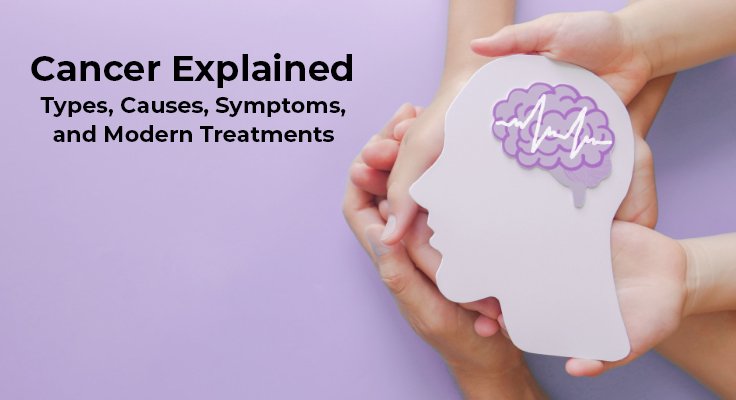
Cancer is one of the most complex and widely discussed health conditions in the world today. It affects millions of people each year and can develop in almost any part of the body. Understanding cancer—its types, causes, symptoms, and treatment options—is essential for early detection, effective management, and improved survival rates. This comprehensive guide explains cancer in clear, simple terms while highlighting modern medical advances that offer new hope to patients.
What Is Cancer?
Cancer is a disease in which abnormal cells grow uncontrollably and spread to other parts of the body. Unlike normal cells, cancer cells do not die when they should and continue multiplying, forming tumors or invading surrounding tissues. Some cancers, such as blood cancers, do not form solid tumors but affect the blood and bone marrow directly.
Common Types of Cancer
There are over 100 different types of cancer, each classified based on where it begins in the body. The most common types include:
Breast Cancer
Breast cancer develops in breast tissue and is one of the most common cancers worldwide, especially among women. Early screening through mammograms significantly improves outcomes.
Lung Cancer
Often linked to smoking and air pollution, lung cancer affects the lungs and can be aggressive if not detected early.
Prostate Cancer
Prostate cancer occurs in men and typically grows slowly. Regular screenings help detect it before symptoms appear.
Colorectal Cancer
This cancer begins in the colon or rectum and is strongly associated with diet, lifestyle, and genetics.
Blood Cancers
Leukemia, lymphoma, and multiple myeloma affect blood cells and the immune system rather than forming solid tumors.
Major Causes and Risk Factors of Cancer
Cancer develops due to changes (mutations) in DNA that disrupt normal cell growth. These mutations can occur for several reasons:
Genetic Factors
Inherited gene mutations can increase the risk of certain cancers, such as breast and ovarian cancer.
Lifestyle and Environmental Factors
Smoking, excessive alcohol consumption, poor diet, lack of physical activity, and obesity significantly increase cancer risk. Exposure to pollution, radiation, and harmful chemicals also plays a role.
Infections and Chronic Conditions
Some infections, including human papillomavirus (HPV) and hepatitis B or C, are linked to cancer. Chronic inflammation and weakened immune systems can also contribute.
Age and Hormonal Factors
The risk of cancer increases with age, and hormonal imbalances may influence the development of certain cancers.
Early Signs and Symptoms of Cancer
Cancer symptoms vary depending on the type and stage of the disease. Common warning signs include:
● Unexplained weight loss
● Persistent fatigue
● Lumps or swelling
● Changes in skin appearance
● Persistent pain
● Difficulty swallowing or breathing
● Changes in bowel or bladder habits
● Unusual bleeding or discharge
Early detection greatly improves treatment success, making regular health checkups essential.
How Cancer Is Diagnosed
Cancer diagnosis typically involves a combination of tests, including:
Imaging Tests
X-rays, CT scans, MRIs, and PET scans help locate tumors and determine their size and spread.
Biopsy
A biopsy involves removing a small sample of tissue to confirm the presence of cancer cells.
Blood Tests
Blood tests can identify cancer markers and evaluate overall health.
Genetic and Molecular Testing
Advanced tests help identify specific mutations, allowing doctors to personalize treatment plans.
Modern Cancer Treatment Options
Advances in medical science have transformed cancer treatment, offering more effective and targeted approaches.
Surgery
Surgery removes cancerous tissue and is often used when the cancer is localized.
Chemotherapy
Chemotherapy uses drugs to destroy cancer cells or stop their growth. It may be used alone or combined with other treatments.
Radiation Therapy
Radiation therapy uses high-energy rays to kill cancer cells and shrink tumors.
Targeted Therapy
This treatment focuses on specific genes or proteins involved in cancer growth, minimizing damage to healthy cells.
Immunotherapy
Immunotherapy boosts the body’s immune system to recognize and fight cancer more effectively.
Hormone Therapy
Used for hormone-sensitive cancers, this therapy blocks or reduces hormone levels that fuel cancer growth.
Living With and Beyond Cancer
Cancer treatment affects both physical and emotional well-being. Supportive care, including pain management, counseling, nutrition, and rehabilitation, plays a crucial role in recovery. Many cancer survivors lead full, active lives with proper follow-up care and lifestyle adjustments.
Cancer Prevention and Risk Reduction
While not all cancers can be prevented, certain steps can significantly reduce risk:
● Avoid tobacco use
● Maintain a healthy diet and weight
● Exercise regularly
● Limit alcohol consumption
● Protect skin from excessive sun exposure
● Get vaccinated against cancer-related infections
● Participate in regular screening programs
Conclusion
Cancer is a serious but increasingly manageable disease thanks to early detection and modern treatments. Understanding cancer types, causes, symptoms, and available therapies empowers individuals to make informed health decisions. Ongoing research and medical innovation continue to improve survival rates and quality of life, offering renewed hope to patients and families worldwide.
Also Read: The Latest Cancer Treatment Breakthroughs Revolutionizing Oncology