Military shelter systems shape how operations begin, function, and sustain momentum. They influence how fast units arrive, how safely teams work, and how well people recover between tasks. These systems aren’t background gear. They affect daily decisions in the field.
For leaders, shelter planning ties directly to performance. When shelters work as expected, teams stay focused. When they fail, even strong plans slow down.
How Military Shelter Systems Fit Into Mission Planning
Shelter planning starts earlier than many expect. It affects movement, layout, and staffing long before deployment begins.
Rapid deployment depends on shelters that match the mission pace. If setup takes too long, timelines slip. If shelters arrive late, other systems wait. That includes communications, medical support, and command staff.
Shelters also shape how base camps and forward operating base sites come together. Poor placement can block vehicle access or limit workspace. Over time, those issues add stress and reduce efficiency.
Where Shelter Systems Are Used in Active Operations
Once operations begin, shelter systems quickly prove their value. Different tasks require different levels of protection and structure.
Base camps rely on shelters for rest, planning, and support services. Forward operating base locations depend on them for stability and order. Command and control spaces need secure structures that protect people and equipment. Tactical operations centers need reliable interiors where teams can do planning, track activity, and respond without delay.
Each setting places its own demands on size, durability, and layout.
Core Categories of Military Shelter Systems
Soft-Sided and Small Shelter System Options
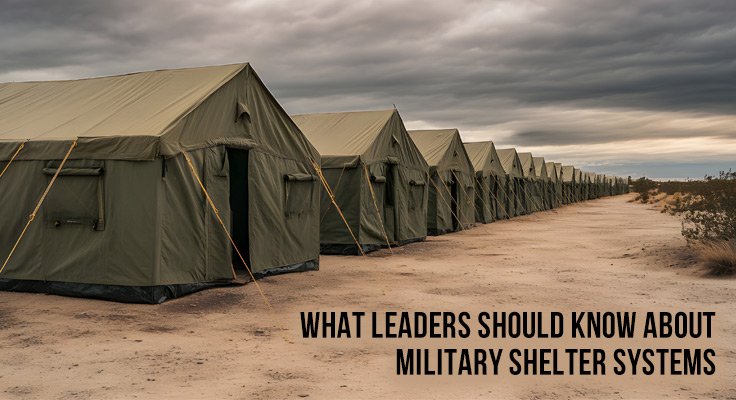
Soft-sided shelters and military tents work well for short-term use. They set up fast and move easily. That makes them useful during early arrival phases or mobile missions.
A small shelter system supports basic needs like planning space, rest, or storage. These shelters trade long-term strength for speed. In the right setting, that trade works.
Rigid Wall and Modular Shelter Systems
Rigid wall shelter systems support longer deployments. They offer stronger protection and better internal control. Insulation, security, and layout options improve comfort and workflow.
Modular systems add flexibility. Leaders can expand or reconfigure shelters as personnel numbers change. This approach works well when missions grow or shift over time.
Shelter Uses That Go Beyond Housing
Shelters support more than sleeping areas. Many mission-critical tasks rely on dedicated spaces.
Medical and Health Support
Field hospitals need shelters that support equipment, sanitation, and controlled access. Layout matters here. So does durability.
Containerized facilities handle showers, waste, and handwashing. These systems protect health and reduce downtime. Over long deployments, that support becomes even more important.
Daily Operations and Equipment Support
Dining facilities keep meals organized and reduce congestion in living areas. That helps maintain schedules and morale.
Maintenance shelters protect vehicles and tools from weather and debris. They also allow repairs to continue without delay. When equipment stays operational, missions stay on track.
Power and Climate Requirements Inside Shelter Systems
Shelters must support internal systems, not just provide cover. Power and climate planning play a major role here.
Power distribution systems keep lighting, communications, and medical equipment running. Weak planning leads to outages and work stoppages.
Climate control also matters. Extreme heat or cold affects focus and endurance. Shelters with proper temperature control help teams perform longer and recover faster.
Controlled and Specialized Shelter Environments
Some shelters require tighter control due to their purpose. These spaces demand careful layout and access planning.
Billeting facilities support structured housing and rest cycles. Clear organization helps maintain accountability.
Detainee facilities require separation areas, monitoring points, and secure access. Shelter design directly affects safety in these environments.
Turn Key and Expeditionary Shelter Approaches
Shelter strategies often reflect how much support a mission can bring forward. Leaders usually choose between full-service setups and lighter systems.
Turn Key Base Camps
Turn key base camps arrive with shelters, utilities, and internal systems ready for use. Setup time stays low. Coordination becomes simpler.
These camps suit large or long-term missions. The tradeoff often comes in transport demands and reduced flexibility once installed.
Expeditionary Shelter Systems
Expeditionary shelter systems focus on mobility. They support missions that move often or face uncertain conditions.
These shelters deploy fast and pack up just as quickly. That speed allows units to reposition without leaving support behind.
What Leaders Should Evaluate Before Selecting a Shelter System
Choosing a shelter system involves practical tradeoffs. Leaders should weigh:
- Deployment and teardown speed
- Expected mission length
- Transport limits by air, land, or sea
- Setup manpower and time
- Long-term upkeep and repair needs
Each factor affects how well shelters support the mission. When these decisions align, teams face fewer disruptions.
Conclusion
Military shelter systems shape how smoothly operations run. From early arrival through daily use, shelters influence safety, pace, and coordination. Leaders who understand these systems plan with fewer surprises. The result is steadier operations, stronger teams, and better outcomes in the field.