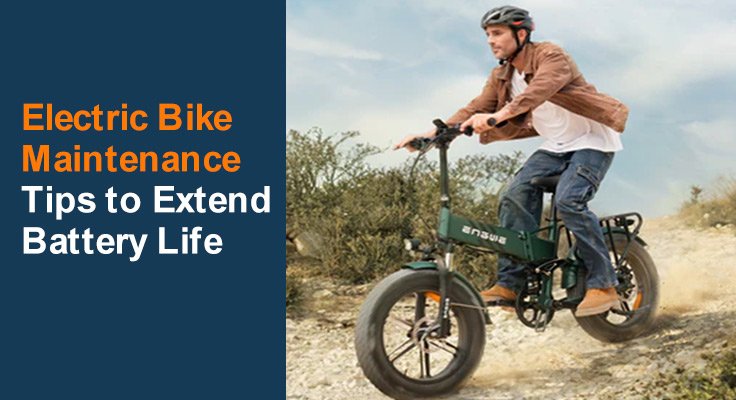
As more people turn to electric bikes for commuting and leisure, one key question often arises: how do you keep the battery in top shape? Since the battery is the most expensive and critical component of any e-bike, knowing how to care for it can make a huge difference in both performance and long-term savings.
This article explores practical tips to extend the lifespan of your e-bike battery, whether you ride a fat tire ebike for adventure or rely on an electric commuter bike for daily travel.
1. Why Is Battery Maintenance So Important for an Electric Bike?
Battery care isn’t just about avoiding breakdowns—it directly impacts how far you can ride and how reliable your electric bike will be in the long run. A healthy battery means smoother rides, longer ranges, and fewer costly replacements.
When riders neglect maintenance, they often face issues like reduced mileage, poor performance in cold weather, or batteries that refuse to hold a charge. These problems can be avoided with consistent care, making maintenance an essential part of e-bike ownership.
2. What Factors Affect Electric Bike Battery Life?
Before learning how to extend battery life, it helps to understand what influences it in the first place. Several key factors play a role in how long your e-bike battery will last.
2.1 Charging Habits and Overcharging
How you charge your electric bike has a major impact on lifespan. Overcharging or allowing the battery to drain completely shortens efficiency.
2.2 Temperature and Storage Conditions
Storage matters just as much as charging. Batteries left in extreme heat or cold degrade much faster than those kept at stable room temperatures.
2.3 Frequency of Use and Riding Style
The way you ride also affects performance. Frequent acceleration or heavy climbing drains the battery quickly, while steady speeds preserve it.
2.4 Quality of the Battery and Brand Differences
Not all batteries are created equal. Premium brands typically use higher-quality cells that last longer, while cheaper ones may need early replacement.
3. How Should You Charge Your Electric Bike Battery Properly?
Proper charging habits can dramatically extend the life of your battery. Think of charging not as a routine chore but as a crucial part of maintenance.
Best practices include charging partially (between 20% and 80%) rather than fully depleting the battery each time. It’s also important to avoid leaving the charger plugged in for days.
Using the manufacturer’s recommended charger ensures that the battery receives the correct voltage and current. This is especially important for larger-capacity packs, such as those found in a fat tire ebike designed for off-road riding.
4. How Can Riding Habits Extend Battery Life?
Battery efficiency isn’t just about charging—it’s also about how you ride. Small adjustments to your habits can make a big difference in extending battery health.
Using lower pedal-assist levels reduces strain, while keeping a steady pace instead of constant acceleration conserves power.
Carrying heavy loads or climbing steep inclines unnecessarily will shorten battery life. This is why an electric commuter bike, built for efficiency on city streets, may consume less power daily compared to a rugged fat tire ebike used off-road.
5. What Regular Maintenance Keeps the Battery and Bike in Top Condition?
Maintaining the battery goes hand in hand with maintaining the bike itself. Routine care ensures both safety and long-term performance.
5.1 Cleaning and Inspecting Battery Contacts
Dust, dirt, and moisture can weaken connections. Regular cleaning prevents corrosion and power loss.
5.2 Checking for Firmware Updates
Many modern e-bikes allow firmware updates through apps. These updates can improve charging efficiency and optimize energy use.
5.3 Monitoring Battery Performance via Apps or Displays
Most electric bikes include LCD displays or smartphone connectivity. Monitoring battery stats helps detect early issues and plan for timely maintenance.
6. When Should You Replace an Electric Bike Battery?
Even with the best care, every battery eventually reaches the end of its life. Understanding the signs helps riders prepare for replacement.
A typical battery lasts 3–5 years or around 500–1000 charge cycles. Signs it’s time for a new one include drastically reduced range, inconsistent charging, or sudden power cuts.
For commuters and adventurers alike, replacing a worn-out battery restores confidence. Whether on an electric commuter bike or a fat tire ebike, a fresh battery ensures reliable rides for years ahead.
7. Summary
Extending the life of an electric bike battery is a matter of consistent care. By charging properly, riding smartly, and performing routine inspections, you can enjoy better range, save on costs, and reduce environmental impact.
From urban streets with an electric commuter bike to rugged trails on a fat tire ebike, these maintenance tips will help you get the most out of your ride—today and well into the future.
Also Read: Comparing 2-Seater E-Bikes: Comfort, Range, and Price