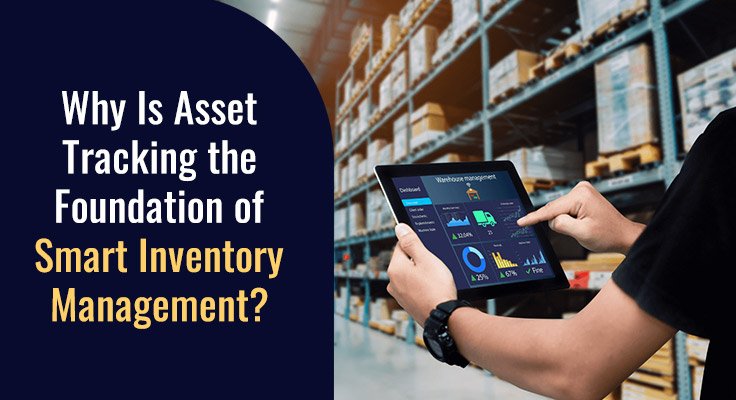
Given today’s fast-paced business, it becomes all the more critical to manage inventory so that it stays in check. Every organization, big or small, tries to make its supply equal to demand at the least possible cost. Asset tracking is an integral part of this process that ensures resources are utilized to the fullest and wastage is avoided as much as possible. In this post, we will explain how asset tracking helps create a smart inventory.
What Asset Tracking Means
Asset tracking refers to the process of tracking an organization’s physical assets, such as equipment, tools, and vehicles. By using technology like barcodes, RFID, and GPS for tracking asset movements, businesses determine their real-time location and status. This guarantees that resources are always available as required, preventing costly delays.
Enhances Accuracy and Efficiency
The main advantage of using an asset tracking solution is that it allows for far greater accuracy than manual methods. Manual inventory management can be difficult, and any mistakes can lead to misplaced items or incorrect stock levels. With an asset tracking system in place, these mistakes are minimized through automation. Automation not only helps reduce time-driven processing but also improves overall operational efficiency.
Reduces Costs
Having accurate information about where assets are and how much inventory you have at any moment helps businesses avoid over- or under-stocking. As a result, money spent on storage space is saved, and there are no losses from spoilage or obsolescence. Additionally, effective asset control minimizes last-minute, expensive purchases, which helps control overspending.
Improves Decision-Making
An informed decision requires precise data. Asset tracking solutions provide real-time access to information such as inventory history, and equipment usage and condition. Armed with this data, organizations can make more demand-driven forecasts, create procurement strategies, and optimize stock levels. As a result, a better distribution of resources toward areas of higher demand can be done, which yields greater returns.
Enhances Security and Accountability
Asset tracking also strengthens security by providing continuous surveillance. Maintaining a close watch over company assets is needed to prevent theft and misuse. Having assets visible makes employees more accountable. This visibility promotes responsible use and manipulation of company resources, thus minimizing loss and damage.
Streamlines Operations
Good asset management simplifies business management and saves you time. Real-time information at your fingertips allows for quicker responses to changes in demand or supply chain disruptions. This augments your ability to fulfill customer demands on time, leading to enhanced satisfaction and loyalty.
Simplifies Maintenance and Lifecycle Management
Asset tracking goes beyond simply locating items. It also involves monitoring their asset health and maintenance requirements. Establishing regular maintenance plans based on usage data extends the life of assets while minimizing downtime. This ensures that assets are always in working order, which supports uninterrupted operations.
Supports Regulatory Compliance
There are industries with stringent regulations for inventory management. Asset tracking provides an effective backdrop for tracking the usage and movement of assets, which assists in meeting compliance requirements. Having this documentation on hand is also invaluable during audits and inspections, helping prevent penalties and boosting a company’s reputation.
Integrates with Other Systems
Asset tracking systems can integrate with other business tools, such as enterprise resource planning (ERP) and supply chain management software. Such integration provides all departments easy access to accurate and up-to-date information, encouraging seamless collaboration and increasing business productivity overall.
The Future of Asset Tracking
As technology progresses, the days of overly simplistic asset tracking are coming to an end. Innovations in Artificial Intelligence and IoT (Internet of Things) could lead to more accurate inventory controls. Businesses that start adopting these technologies early will have a competitive advantage and improve their supply chain while improving customer satisfaction.
Conclusion
Asset tracking underpins intelligent inventory management. By providing accuracy, efficiency, and security, it forms the basis for successful endeavours. Such companies are discovered to be most suited to market demands, cost management services, and enhanced services with asset tracking. Strong asset management is essential in this competitive business reality.
Also Read: The Top Benefits of Mobile Asset Management Software for Businesses